Most PPF Installation Mistakes and How Pros Prevent Them – Expert Tips
Getting paint protection film (PPF) installed on your vehicle seems simple at first glance—apply a clear layer over the paint, smooth it down, and you’re done. But in reality, PPF installation is a highly technical, multi-stage process where even small mistakes can lead to bubbling, peeling, stretching, or premature failure. When improperly installed, the film won’t protect your paint the way it should, and it can diminish the appearance of your vehicle rather than enhance it. That’s why learning the most common PPF installation mistakes—and understanding how professionals avoid them—can make all the difference in protecting your vehicle for the long term.
Drivers throughout Lincoln Park, Allen Park, Dearborn, Livonia, Woodhaven, Southgate, Taylor, Redford Charter Township, Canton, Plymouth, Flat Rock, and Romulus frequently invest in PPF to protect their vehicles from Michigan’s harsh winters, road salt, debris, and fluctuating weather conditions. But the quality of protection you get depends almost entirely on how the film is installed. This enhanced and SEO-optimized guide breaks down the installation mistakes that matter most, why they happen, and how professional installers at
Orozco’s Auto Detailing prevent them through advanced techniques, controlled environments, and expert craftsmanship.
Common PPF Installation Mistakes
The number one reason PPF fails prematurely is inadequate surface preparation. It sounds simple to wash the car and apply the film, but true surface prep is far more involved. Even microscopic contaminants—tiny particles that can’t be seen or felt—can interfere with adhesion. Rail dust, tree sap residue, industrial fallout, leftover polishing oils, or waxes that weren’t fully removed can cause bubbling, lifting edges, and visible blemishes under the film.
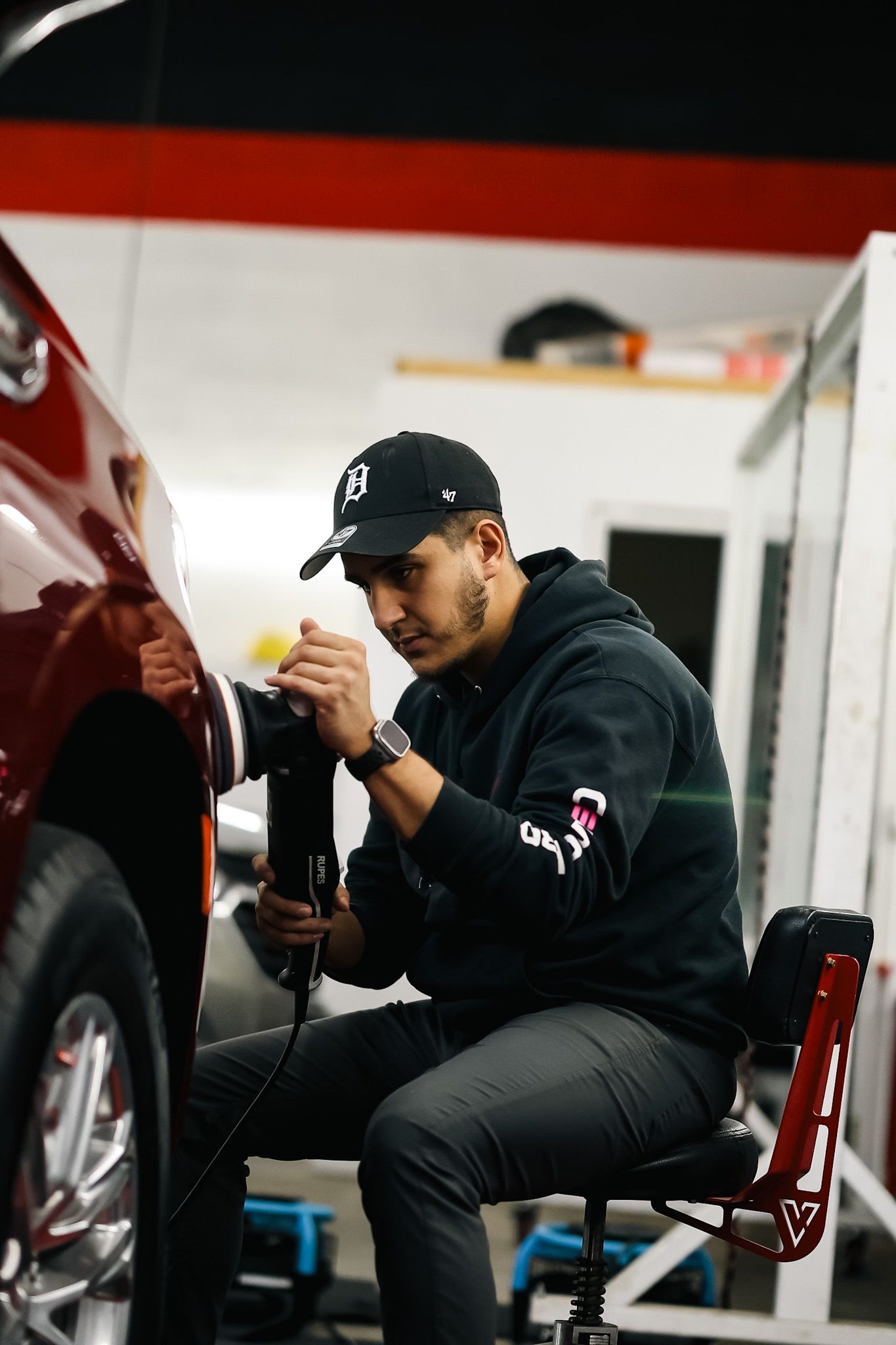
Many DIY installers think a basic wash is enough. Unfortunately, this is one of the biggest misconceptions in the detailing world. Proper PPF installation begins with a multi-stage decontamination process designed to remove every type of contaminant from the paint. Professionals at Orozco’s Auto Detailing begin with a premium pH-neutral wash using grit guards to avoid dragging debris across the surface. This protects the paint from micro-scratches and creates a clean foundation for deeper decontamination.
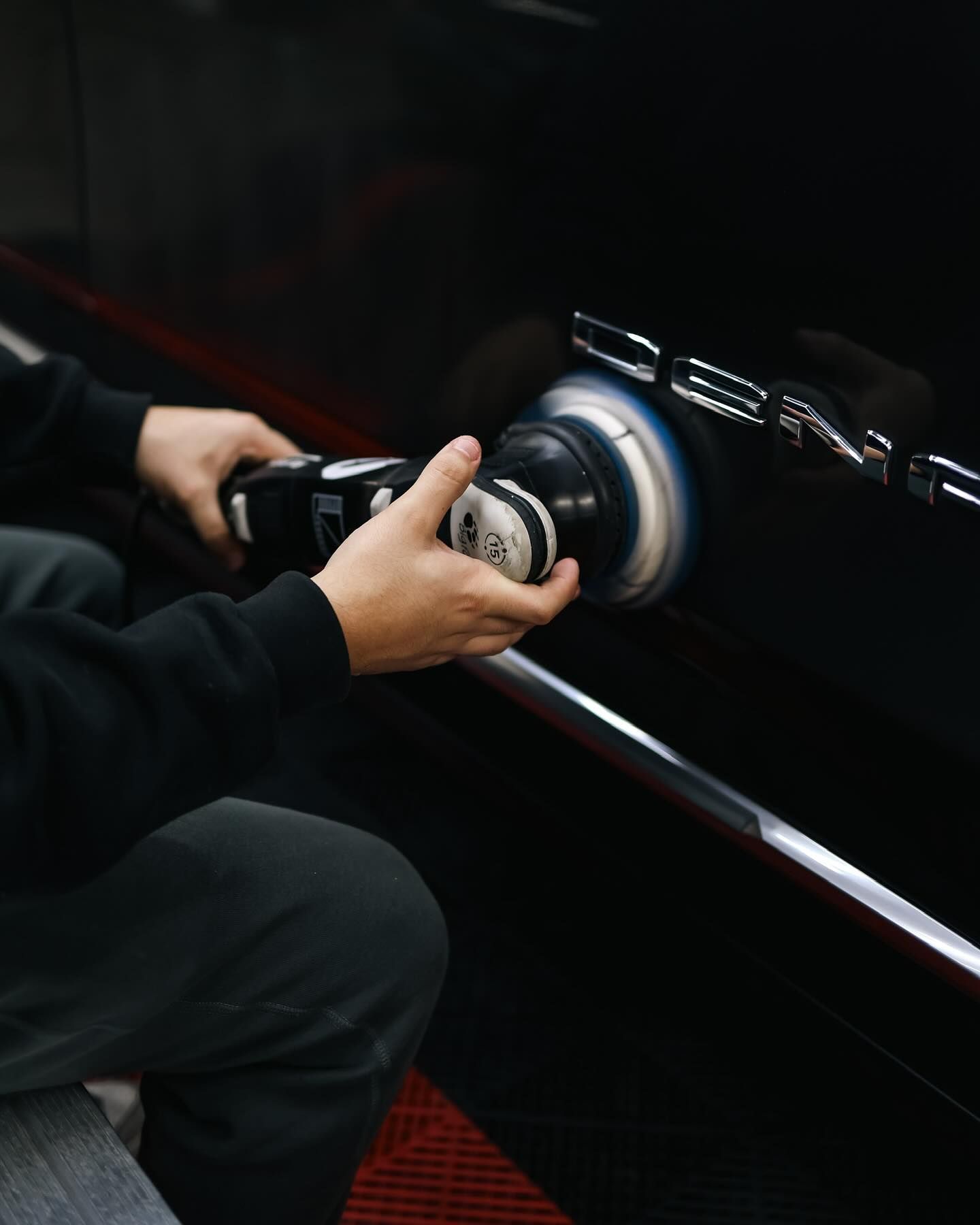
After washing, professionals perform mechanical decontamination using clay bars or synthetic clay mitts to lift bonded particles that washing alone doesn’t remove. If this step is skipped, contaminants remain trapped under the film, creating bumps, uneven adhesion, and gaps where moisture can eventually cause the film to lift.
The final step involves chemical purification, often done with isopropyl alcohol (IPA). This step removes residual oils, silicones, and waxes left from previous detailing. Without this step, the adhesive cannot bond properly to the paint. Some installers stop after washing and claying, but failing to remove invisible oils is one of the leading causes of peeling edges and early failure.
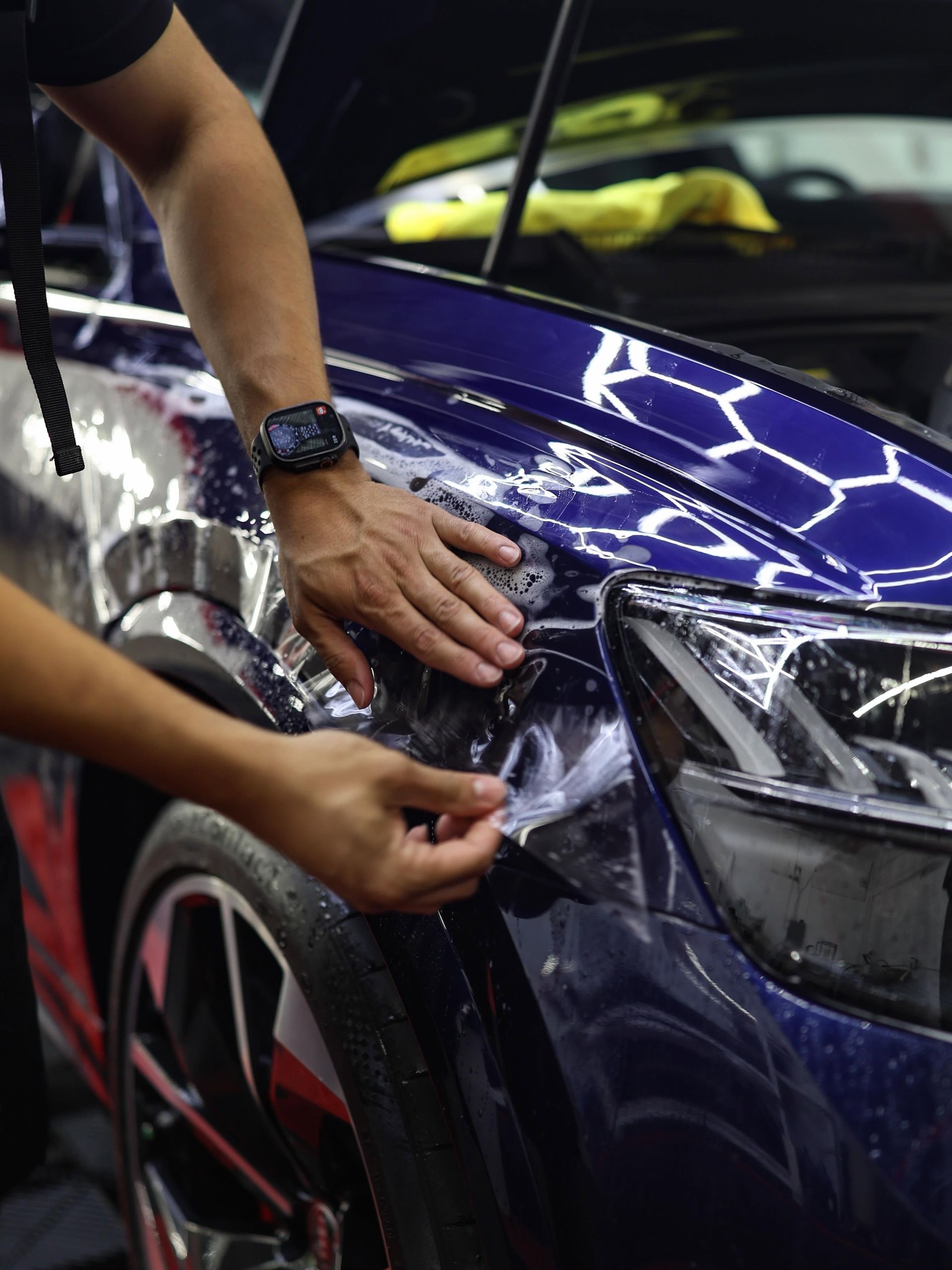
Another major installation mistake is misalignment. PPF must fit the vehicle like a second skin. Crooked edges, uneven seams, or panels that don’t align correctly not only look unprofessional but also lead to long-term problems. Moisture and dirt can slip under misaligned film, causing edges to lift and compromising the film's protective ability.
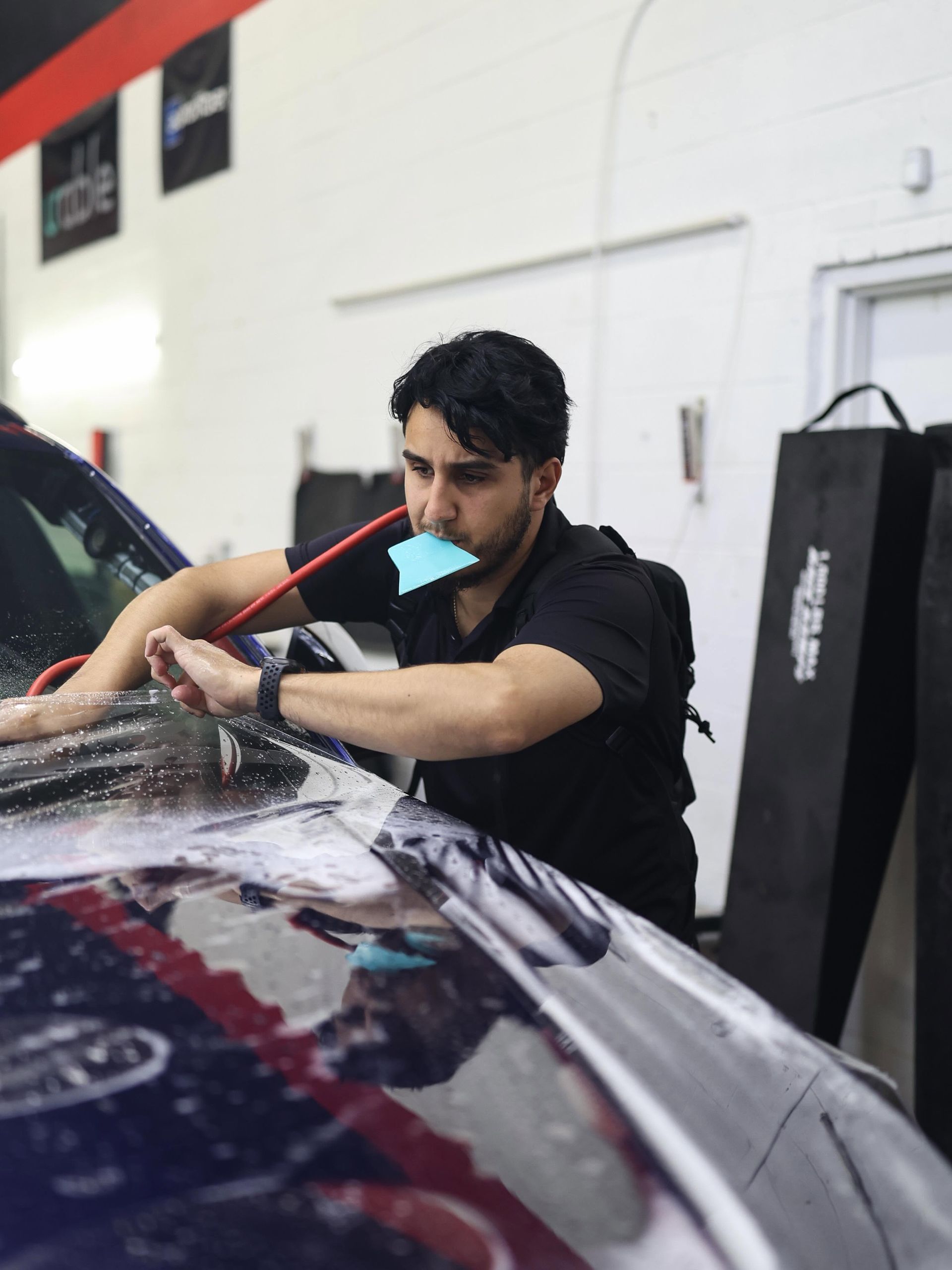
Most amateur installers cut film by hand or attempt to stretch it to fit, which frequently results in mismatched edges or overlapping sections. Professionals avoid these issues by using digital plotter cutters and pre-cut templates designed specifically for each make and model. These templates create millimeter-precise shapes that fit perfectly onto the vehicle’s curves, fenders, hood, mirrors, and other complex areas. Slip solutions—specialized lubricants that temporarily reduce the film’s tack—allow installers to position each piece perfectly before it fully bonds.
Contamination during installation is another common and costly mistake. Even if the surface is perfectly prepared, airborne dust or oils from fingers can become trapped under the film. DIY installers often work in garages, driveways, or uncontrolled environments where dust, pollen, or small debris float in the air. The result? Imperfections that appear immediately and continue to worsen over time.
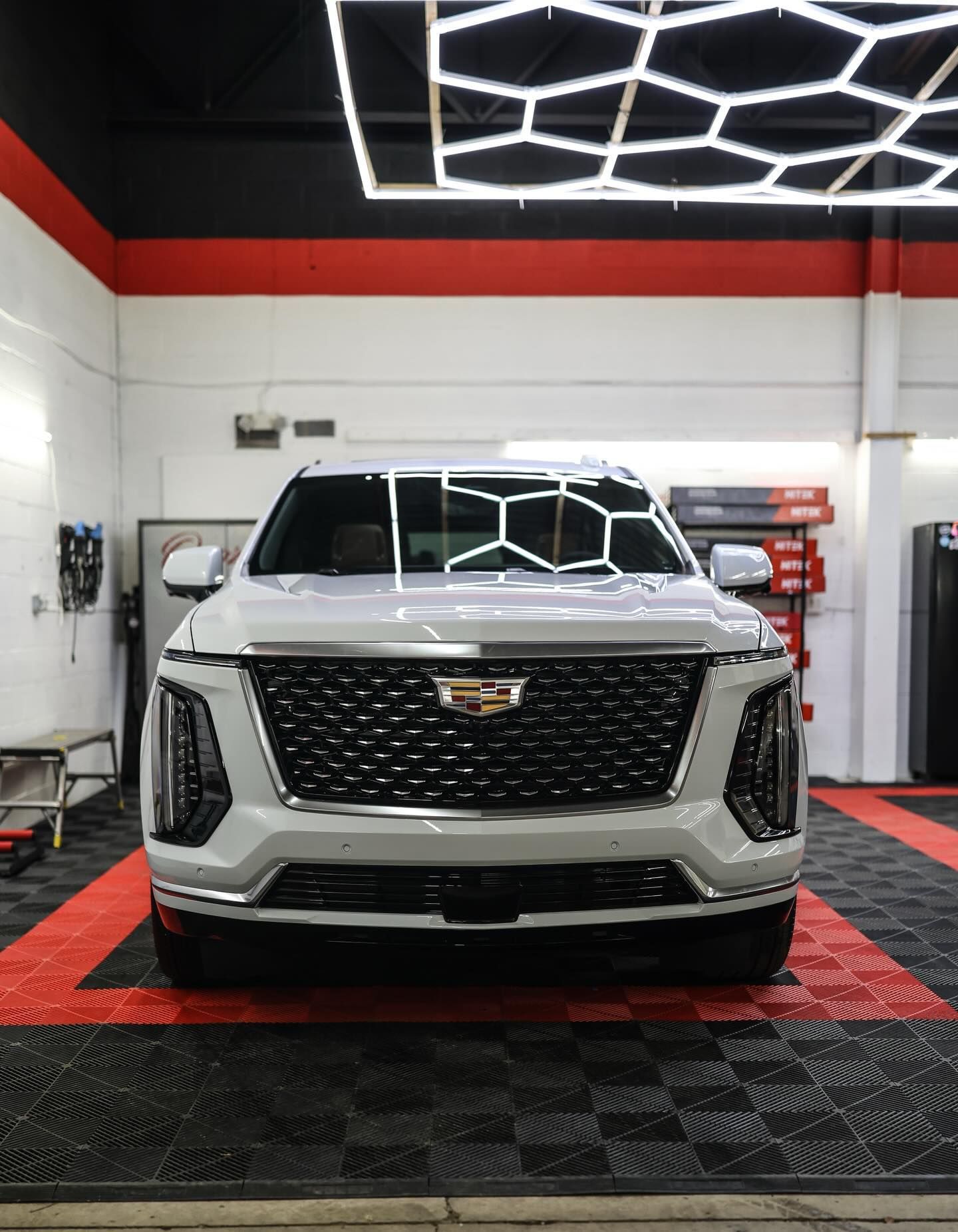
Professional installers solve this by working inside HEPA-filtered clean rooms with positive air pressure. This controlled environment minimizes airborne contaminants. Installers also wear gloves, use specialized lighting to identify imperfections early, and frequently inspect the film before squeegeeing it into place.
Excessive stretching of the film is another common mistake. When installers attempt to force the film around tight curves or complex panels without proper heating techniques, it can overstretch. Overstretching weakens the film’s structure. Thinner areas become more prone to tearing, and the adhesive may fail prematurely. Professionals use controlled heat application to soften the film just enough to conform naturally without stretching beyond its limits.
Improper heat application is a mistake that leads to distortion, wrinkles, or adhesive failure. Too much heat can cause warping or reduced clarity. Too little heat prevents proper bonding in curved or recessed areas. Skilled installers use variable-temperature heat guns and know exactly when and where to apply heat. They also post-heat certain edges to activate the adhesive and ensure long-lasting hold.
Finally, rushing the curing process is an installation mistake with long-term consequences. After installation, PPF needs 24 to 48 hours to bond fully. Exposing the film to rain, dirt, or car washes too soon can cause edges to lift or water to become trapped underneath. Professionals at Orozco’s keep vehicles in controlled curing bays with regulated temperature and humidity levels to ensure the adhesive cures flawlessly.
Understanding these common mistakes highlights why professional installers consistently deliver flawless results while DIY attempts often fall short.
Importance of Proper Surface Preparation
Proper surface preparation isn’t just a step—it is the foundation of successful PPF installation. Even the highest-quality film cannot adhere correctly if contaminants remain on the paint. This is especially important in Michigan, where road salt, industrial fallout, and environmental pollutants frequently settle onto vehicles.
Professionals begin with a pH-neutral wash to remove surface grime without damaging the paint. Grit guards in the wash buckets reduce the risk of swirl marks and micro-scratches. Even a single scratch under PPF can become a permanent, visible blemish.
Once washed, the vehicle undergoes mechanical decontamination. Clay bar treatment removes stubborn contaminants bonded to the paint. While invisible to the eye, these particles cause significant problems under PPF. They prevent smooth adhesion and create tiny bumps that disrupt the film's clarity.
Chemical purification with IPA removes oils and waxes that washing and claying don’t eliminate. This step ensures the adhesive bonds directly to clean paint. Without this, PPF may appear to adhere at first but begin peeling weeks or months later.
All of this preparation must be done in a clean, controlled environment. Without environmental control, contaminants can quickly resettle on the paint, undoing prior steps. Professional installers use clean rooms with filtered air to ensure nothing falls onto the vehicle during prep or installation. This approach results in a smooth, crystal-clear finish that remains durable for years.

Precision in Alignment and Edging
Alignment and edging are among the most technically demanding aspects of PPF installation. Poor alignment results in visible seams, uneven edges, and gaps that compromise protection. Overlapped edges can trap moisture, causing early lifting or discoloration.
Professionals use digital plotter systems that cut film patterns designed for each specific vehicle model. These precise templates ensure the film matches body lines perfectly without stretching or trimming errors. Installers use slip solutions to position the film accurately, allowing them to slide each piece into perfect alignment before squeegeeing.
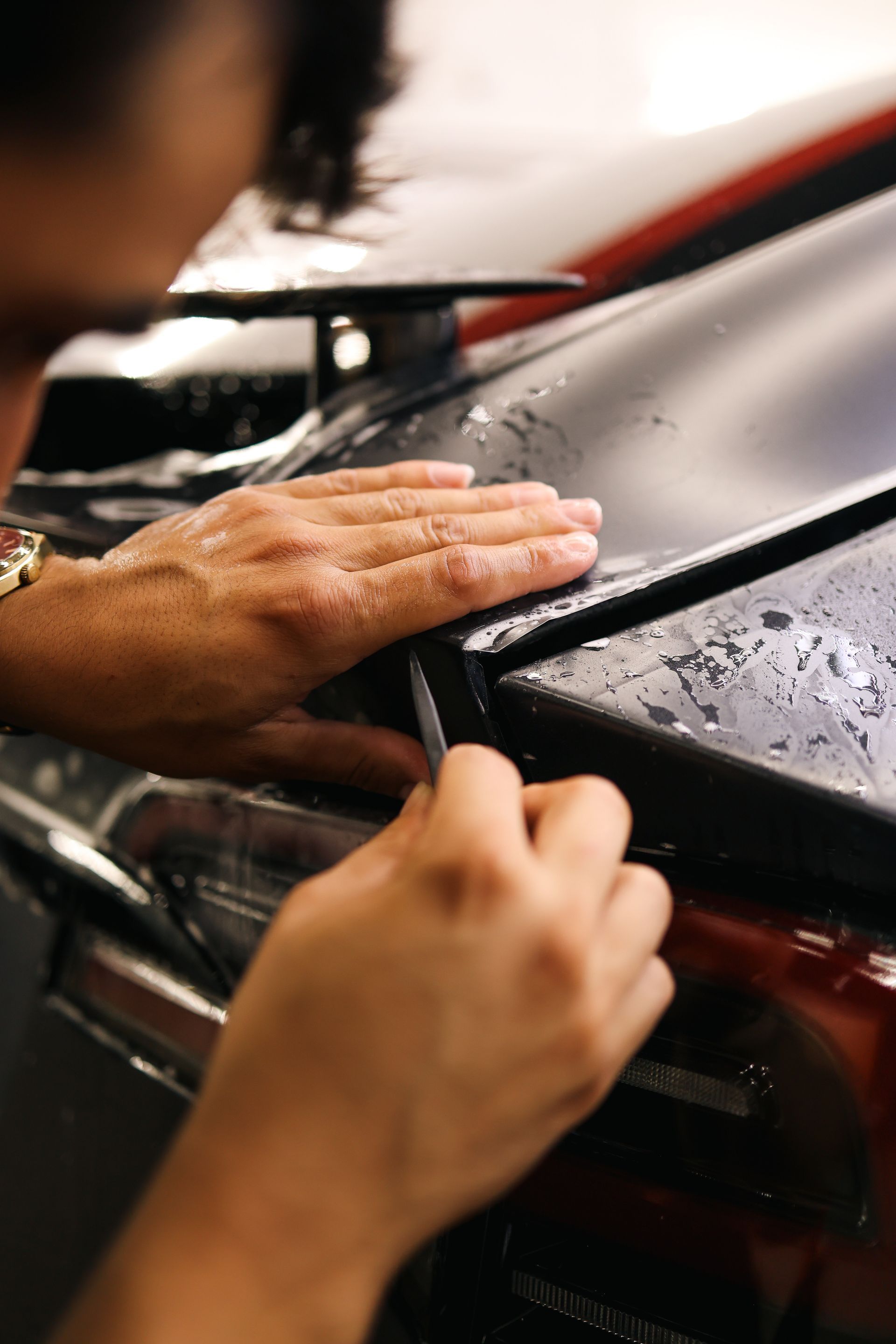
Edge trimming requires extreme precision. Professional installers use specialized blades calibrated to cut the film without cutting into the paint. Edges must be clean, tight, and properly sealed to prevent dirt buildup or edge failure.
Heat guns and squeegees with different hardness levels are used to shape the film along curves and edges. The correct combination of pressure, movement, and heat ensures a seamless finish without trapped air or wrinkles. This level of detail is what distinguishes expert installations from amateur attempts.
Effective Cleaning Techniques
Cleaning plays a critical role in both preparation and long-term PPF performance. Before installation, cleaning eliminates contaminants that interfere with adhesion. After installation, proper cleaning ensures the film remains clear and undamaged.
Weekly washing using a soft microfiber cloth or sponge with pH-balanced soap helps maintain the film’s clarity. Harsh chemicals can degrade the film or affect the edges, so gentle products are recommended. Avoiding abrasive scrubbers prevents scratches, while proper drying techniques reduce water spotting.
PPF reacts differently to daily wear than bare paint. While it protects against scratches, it still requires care to prevent long-term damage. Clients who maintain their PPF properly often see a significant increase in lifespan and clarity.
The Value of Professional Skills
Installing PPF requires far more than simply applying a sheet of film. It involves understanding film behavior, manipulating tension, applying controlled heat, managing moisture, and working with precision tools. A professional brings not just experience but also specialized knowledge about film physics, adhesive chemistry, and controlled installation environments.
DIY installs often fail because beginners underestimate the complexity of these steps. Studies show that most DIY PPF applications develop defects within months, including bubbling, peeling, or discoloration. Professional installations significantly reduce this risk by following strict processes and using advanced equipment.
Professionals also have access to higher-grade films that may not be available to the public. Many of these premium films come with long-term warranties that depend on proper installation. Improper installation can void these warranties, making professional service even more valuable.
Selecting the Best Protective Film
Choosing the right film is just as important as proper installation. High-quality PPF should offer excellent optical clarity, strong self-healing capabilities, UV resistance, and long-term durability. Top brands like SunTek and XPEL produce films with advanced polymers that self-heal when exposed to heat. This means minor scratches disappear over time, keeping the film smooth and glossy.
UV protection is essential, especially in areas with bright sunlight or harsh weather conditions. Films with UV inhibitors prevent yellowing and protect the paint underneath. Premium films also come with comprehensive warranties, giving vehicle owners peace of mind that their investment is protected for years.
A knowledgeable installer will help customers choose the right film based on their driving habits, environmental conditions, and vehicle type. Orozco’s Auto Detailing uses only professional-grade films known for clarity, durability, and long-term performance.
Protect Your Investment with Professional PPF Installation
When it comes to defending your vehicle against Michigan’s harsh weather, road salt, and everyday wear, professional PPF installation is one of the most effective ways to preserve your paint. Avoiding common mistakes—improper prep, misalignment, contamination, overstretching, incorrect heat application, and rushed curing—requires experience, precision, and specialized equipment.
To ensure your vehicle receives the highest level of protection, contact
Orozco’s Auto Detailing. Our certified installers serve Lincoln Park, Allen Park, Dearborn, Livonia, Woodhaven, Southgate, Taylor, Redford Charter Township, Canton, Plymouth, Flat Rock, and Romulus. Call us at (313) 888-3822 to schedule your appointment and protect your investment with expert PPF installation done right the first time.
SHARE WITH YOUR FRIENDS