Window Tint and Vehicle Technology: Will Tint Affect Your GPS, Sensors, or Signals?
Window tinting has become one of the most popular upgrades for vehicle owners, especially in Southeast Michigan where seasonal temperature swings, sun glare, and long commutes are part of daily life. While most drivers understand the comfort and aesthetic benefits of tinted windows, many still have an important question before moving forward:
Will window tint affect my vehicle’s GPS, safety sensors, or wireless signals?
With modern vehicles relying heavily on technology, this concern is valid. Today’s cars use satellite navigation, advanced driver assistance systems, Bluetooth connectivity, and camera based safety features that all depend on signals passing through glass. The good news is that window tint does not have to interfere with these systems when the right materials and professional installation are used.
This guide breaks down how window tint interacts with vehicle technology, which tint types are safest for modern cars, and how Michigan drivers can make a smart, informed decision.

How Modern Vehicles Use Signals and Sensors
Modern vehicles are essentially computers on wheels. They rely on a network of sensors and wireless signals that operate continuously while driving.
Some of the most common systems include GPS navigation, lane keeping assist, adaptive cruise control, blind spot monitoring, backup cameras, Bluetooth connectivity, and cellular data connections. Many of these systems communicate through radio frequencies or rely on clear optical paths through the windshield and windows.
Because these technologies often sit behind or near glass, the window tint applied to your vehicle can play a role in how well these systems function. The key factor is not how dark the tint looks, but what the tint is made of.
Why Tint Material Matters More Than Darkness
One of the biggest misconceptions about window tint is that darker tint automatically causes more interference. In reality, the composition of the film matters far more than the shade.
Some window tint films are made with metallic particles designed to reflect heat. While this can improve cooling performance, metal can also reflect radio waves and disrupt communication between your vehicle and external signals.
Other tint types, such as ceramic or carbon films, are engineered without metal. These allow signals to pass through while still providing excellent heat and UV protection.
Metallic Window Tint and Signal Interference
Metalized window tint contains microscopic layers of metal embedded in the film. These particles reflect sunlight effectively, which helps reduce heat inside the vehicle. However, they can also reflect or absorb radio frequencies.
This may lead to issues such as slower GPS satellite connections, reduced navigation accuracy, dropped Bluetooth connections, inconsistent cellular reception, and potential interference with radar based safety systems.
While some drivers may not notice immediate problems, signal degradation can become more apparent over time or in areas with weaker signal coverage. For vehicles equipped with advanced driver assistance features, metallic tint is generally not recommended.
Ceramic Window Tint and Modern Vehicle Compatibility
Ceramic window tint is considered the best option for newer vehicles equipped with advanced technology. Ceramic films are completely non metallic, which means they do not interfere with radio signals or sensor communication.
High quality ceramic tint blocks up to 99 percent of harmful UV rays and significantly reduces interior heat while maintaining excellent clarity. This clarity is critical for camera based systems such as lane keeping assist, forward collision warning, and parking cameras.
Because ceramic tint allows radio frequencies to pass through cleanly, GPS navigation, Bluetooth, and cellular connections continue to operate normally. While ceramic tint comes at a higher upfront cost, its durability, performance, and technology compatibility make it a long term investment many drivers prefer.
Carbon Window Tint as a Mid Range Option
Carbon window tint provides a strong balance between affordability and performance. Like ceramic tint, carbon films are non metallic, which means they do not disrupt GPS signals or wireless connectivity.
Carbon tint effectively reduces interior heat, often by around 40 percent, and offers good UV protection. It also resists fading better than dyed films, making it a durable option for daily drivers.
For vehicle owners who want reliable performance without the premium price of ceramic tint, carbon window tint is a practical and technology friendly choice.
Does Window Tint Affect GPS Performance?
GPS systems rely on satellite signals operating at specific radio frequencies. Certain materials, particularly metals, can weaken or reflect these signals.
Metallic window tint is more likely to cause delayed satellite connections, reduced accuracy, or difficulty maintaining a strong signal in areas with limited coverage. This can result in slower route updates or inaccurate positioning.
High quality ceramic and carbon window tints typically reduce GPS signal strength by such a small margin that it is unnoticeable during everyday driving. For most drivers, navigation systems function normally with no perceived difference.

Impact on Safety Sensors and Driver Assistance Systems
Advanced Driver Assistance Systems rely on a combination of cameras, radar, and sensors positioned throughout the vehicle. Many of these components are mounted behind the windshield or near side windows.
Metallic tint can interfere with radar based systems by reflecting electromagnetic waves. This may reduce the effective range of features like adaptive cruise control or collision avoidance. Camera based systems can also be affected by poor quality films that cause glare, haze, or visual distortion.
Ceramic and carbon tints maintain optical clarity and avoid signal disruption, allowing safety systems to function as designed. This is especially important for vehicles with windshield mounted cameras and sensor arrays.
Comparing Common Window Tint Types
Not all window tints deliver the same performance or longevity.
Dyed window tint is usually the most affordable option. It provides basic privacy and glare reduction but offers limited heat and UV protection. Dyed films tend to fade over time and are not ideal for long term use, although they do not interfere with signals.
Metalized window tint offers moderate heat rejection and improved durability compared to dyed films. However, the metal content often leads to signal interference and compatibility issues with modern vehicle technology.
Carbon window tint provides strong heat reduction, long lasting performance, and minimal impact on signals. It is a dependable mid range option for drivers who want better performance without paying premium prices.
Ceramic window tint delivers the highest level of performance. It offers superior heat rejection, excellent UV protection, outstanding clarity, and virtually no signal interference. Its durability and compatibility with modern vehicles make it the preferred choice for many drivers.
Installation Quality Matters as Much as the Film
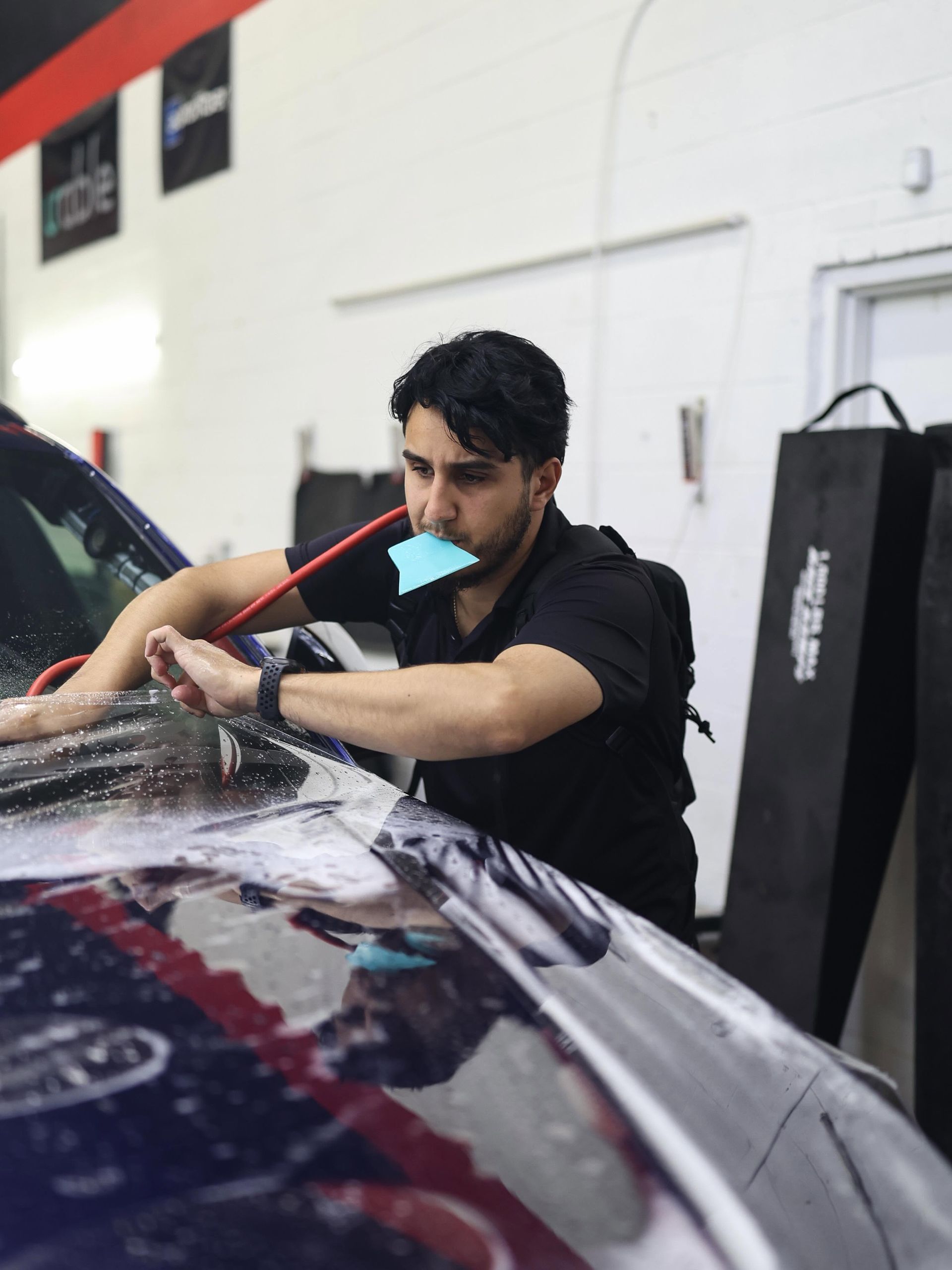
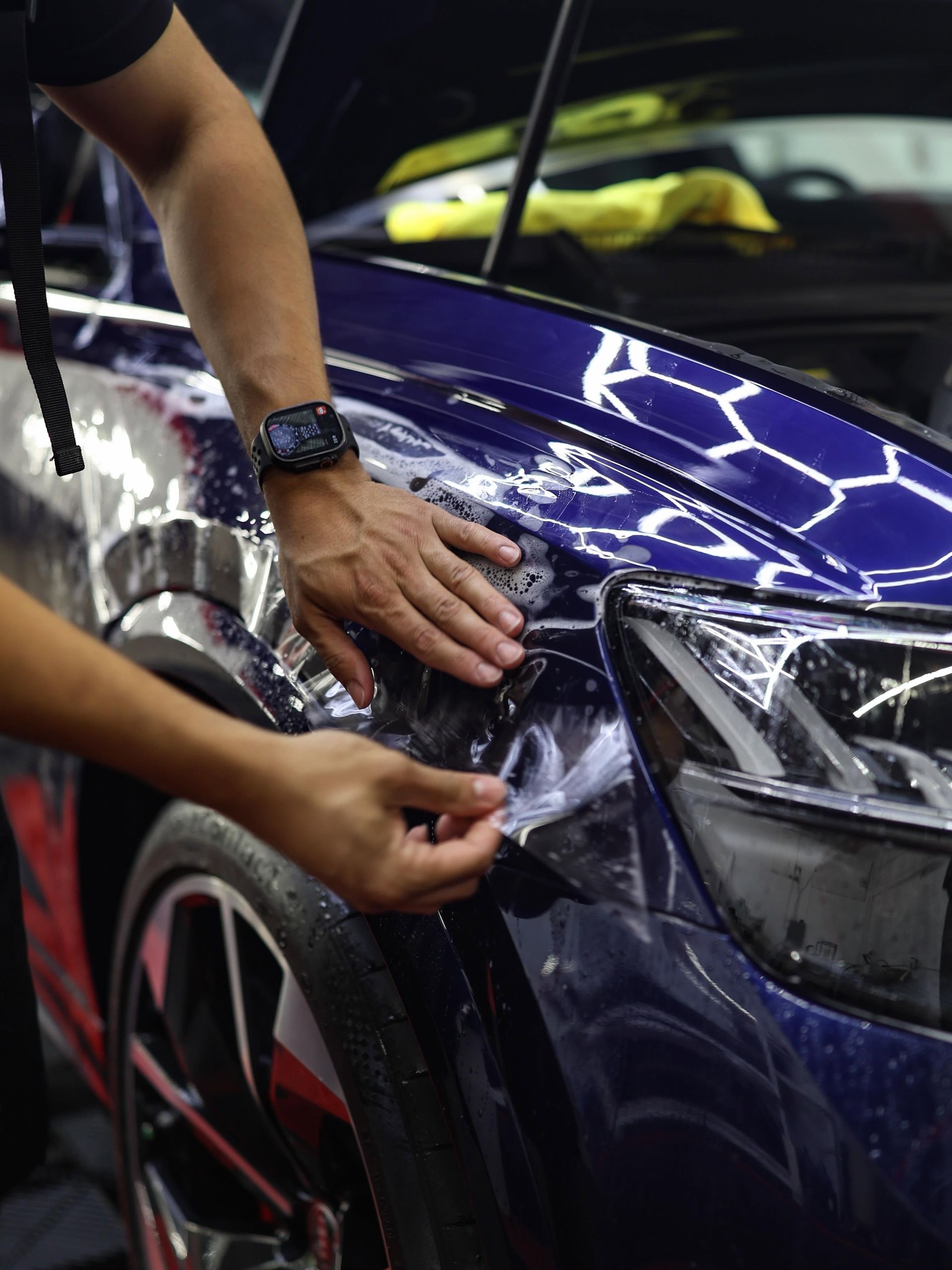
Even the best window tint film can cause problems if it is installed incorrectly. Poor installation can lead to bubbles, wrinkles, or uneven coverage that distort visibility and scatter signals.
Professional installers understand where cameras and sensors are located and how to apply film without interfering with those areas. They also use proper techniques to ensure smooth adhesion and long lasting results.
Choosing an experienced tint shop is just as important as selecting the right film.
Staying Legal with Window Tint in Michigan
Michigan window tint laws are designed to balance visibility, safety, and comfort. Staying within legal Visible Light Transmission limits helps ensure proper visibility for drivers and vehicle sensors while avoiding fines or inspection issues.
A professional tint shop will ensure your vehicle remains compliant with state regulations while maximizing heat rejection and UV protection.
Window Tint and Interior Protection
Beyond technology, window tint also plays a major role in protecting your vehicle’s interior. UV rays can cause dashboards, seats, and trim to fade, crack, and deteriorate over time.
Ceramic and carbon window tints significantly reduce UV exposure, helping preserve interior materials and extend the life of your vehicle. This protection is especially valuable for drivers who plan to keep their vehicle long term or want to maintain resale value.
Trusted Window Tint Solutions for Southeast Michigan Drivers
At Orozco’s Auto Detailing, we specialize in ceramic window tinting designed for modern vehicles. Our nano ceramic films deliver exceptional heat rejection and UV protection without interfering with GPS, sensors, or wireless connectivity.
We proudly serve drivers in Lincoln Park, Allen Park, Dearborn, Livonia, Woodhaven, Southgate, Taylor, Redford Charter Township, Canton, Plymouth, Flat Rock, and Romulus.
Our team understands the technology inside today’s vehicles and knows how to protect it properly.
Ready to Tint Your Vehicle with Confidence?
If you are considering window tint and want to enjoy cooler interiors, added privacy, and interior protection without compromising your vehicle’s technology, we are here to help.
Call (313) 888 3822 or schedule your consultation at orozcosautodetailing.com/contact-us.
Choose window tint that works with your vehicle, not against it.
SHARE WITH YOUR FRIENDS