How to Fix and Prevent Ceramic Coating Failure in Lincoln Park MI
Investing in ceramic coating is one of the best ways to protect your vehicle’s finish. However, when applied or maintained improperly, even high-quality coatings can develop problems such as streaks, dull patches, reduced water beading, or premature failure. Nothing is more frustrating than paying for protection and seeing it underperform weeks or months later.
At
Orozcos Auto Detailing, we help vehicle owners throughout Lincoln Park, Allen Park, Dearborn, Livonia, Southgate, Taylor, Canton, Plymouth, and surrounding Metro Detroit communities restore and maintain their ceramic coatings the right way. This guide explains what causes ceramic coating failure, how to correct it safely, and what you can do to prevent it in the future.
What Causes Ceramic Coating Failure?
Ceramic coating requires careful preparation, proper application, and consistent maintenance. When any step is rushed or skipped, performance suffers.
Poor Surface Preparation
The most common cause of coating failure is improper prep work. If oils, wax residue, road film, or embedded contaminants remain on the surface, the coating cannot bond correctly to the clear coat. This leads to peeling, flaking, or uneven durability.
Proper preparation should include:
- Full decontamination wash
- Clay bar treatment
- Paint correction if needed
- Isopropyl alcohol wipe-down before application
Skipping these steps weakens adhesion and shortens lifespan.
Improper Application Technique
High spots and streaks happen when excess product is not leveled properly during application. These hardened patches appear dull or uneven under direct light.
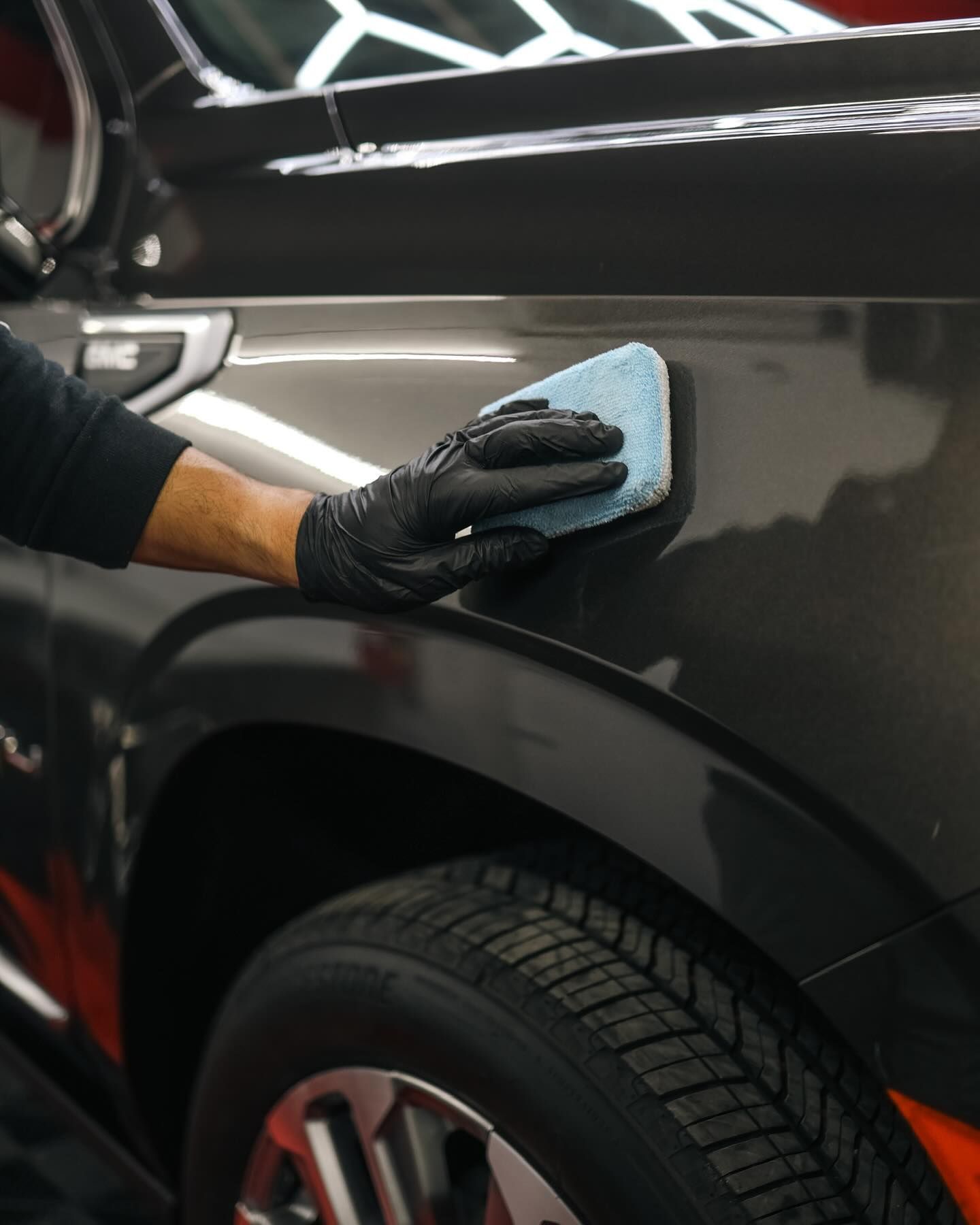
Using worn microfiber towels, applying too much product, or failing to follow flash times can all cause visual defects. Ceramic coating must be applied in thin, even layers and leveled carefully with clean, high-quality microfiber towels.
Inadequate Curing Time
Most coatings require at least 24 hours without moisture exposure. Premium coatings may require up to seven days to fully cure. If the vehicle is exposed to rain, washing, or booster sprays too early, bonding can be disrupted.
In Michigan, temperature swings and humidity also influence curing performance. Applying coating outside recommended environmental conditions increases risk of early failure.
Environmental Stress
UV exposure, acid rain, bird droppings, road salt, and industrial fallout gradually degrade the hydrophobic layer. If contaminants are not removed promptly, they can chemically etch the surface and compromise protection.
Regular maintenance plays a critical role in preventing this type of deterioration.
How to Fix High Spots and Minor Coating Defects
If your ceramic coating shows streaks or high spots, early correction is important.
Step 1: Inspect Under Proper Lighting
Examine the vehicle in bright, direct light. High spots reflect differently than surrounding areas and may appear slightly cloudy or gummy.
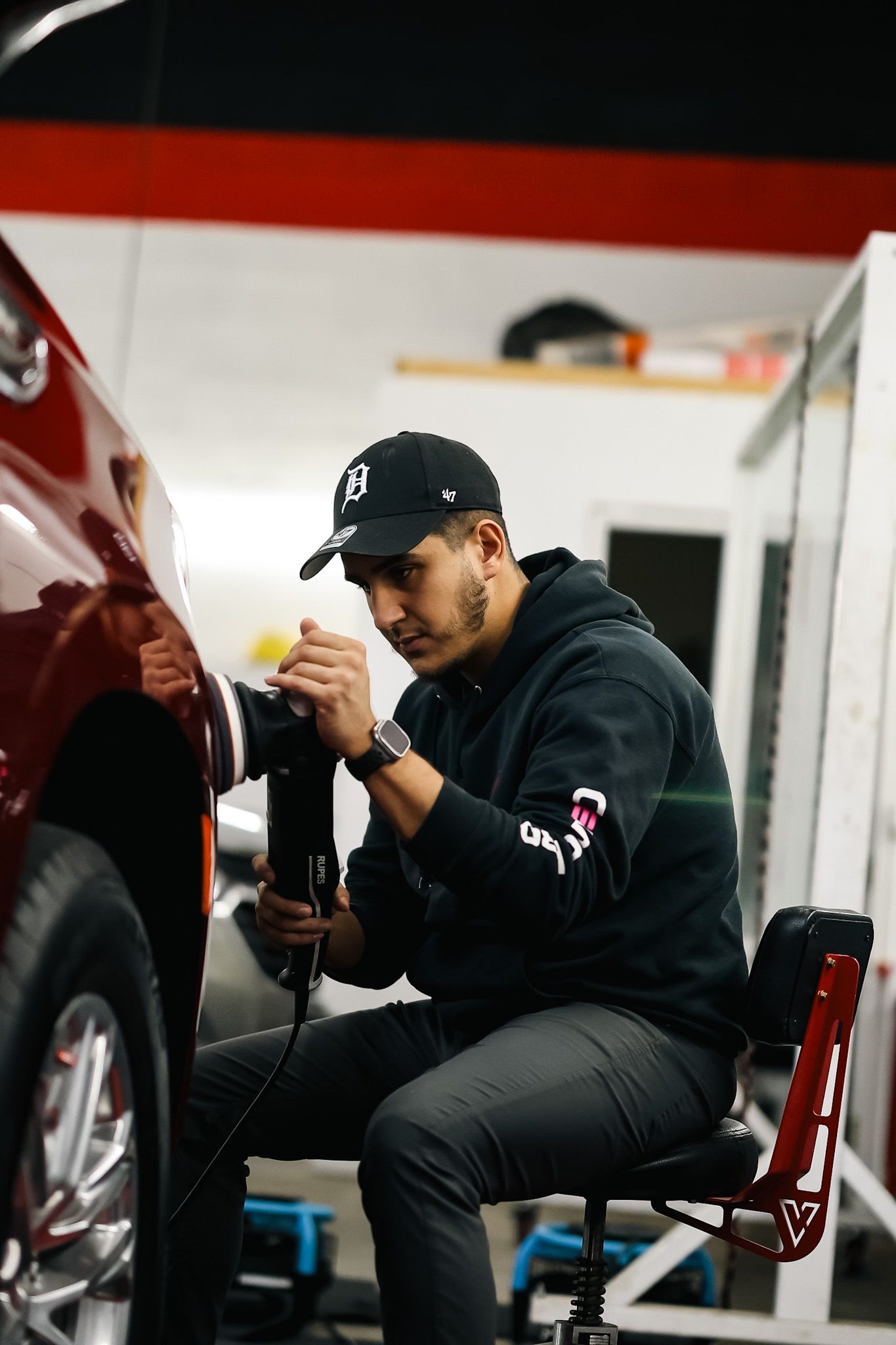
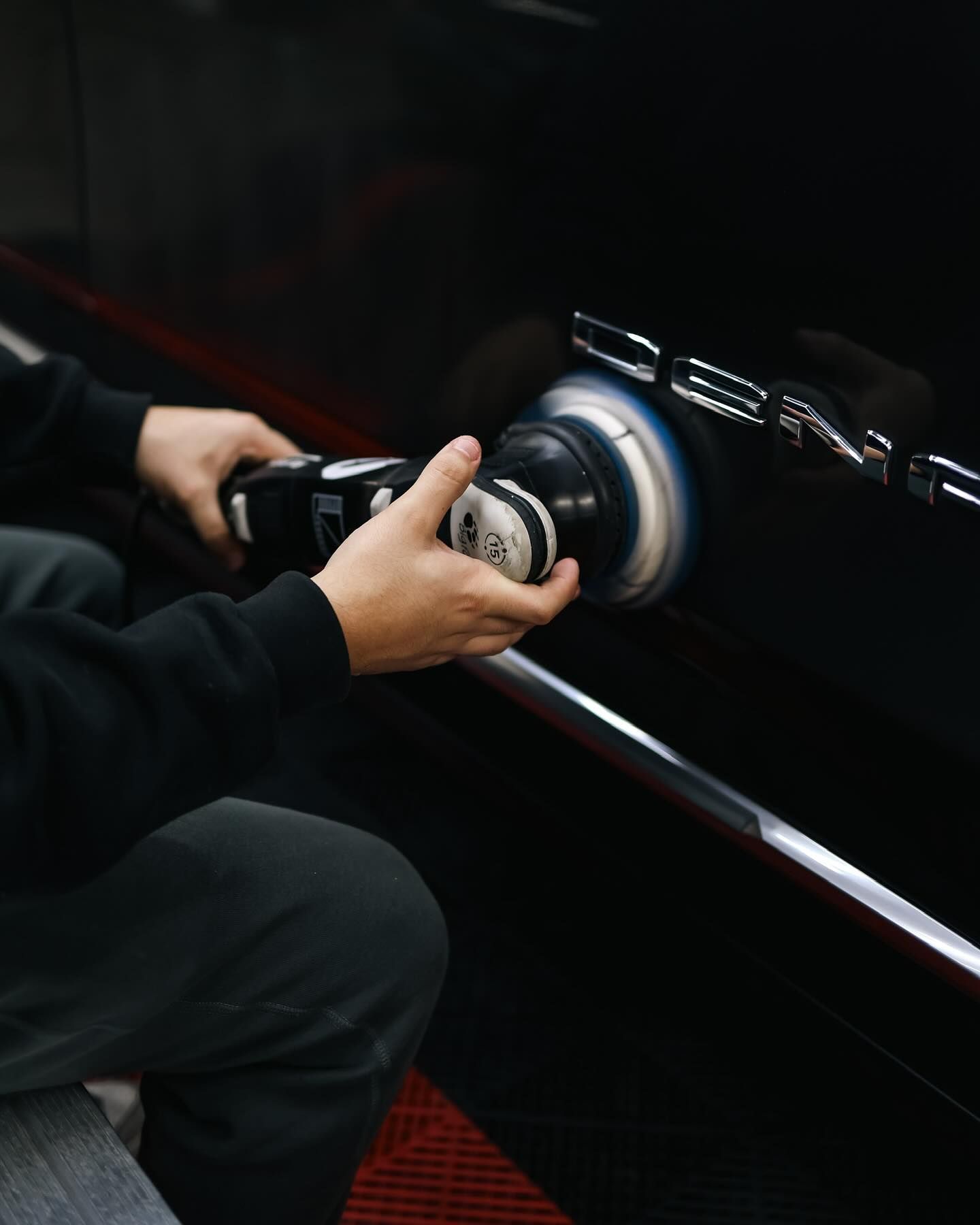
Step 2: Light Polish Correction
Minor defects can often be corrected using a fine polish and a soft microfiber applicator. Start conservatively and test in a small area first. Aggressive polishing can damage clear coat or paint protection film if present.
If the coating has fully cured and defects are severe, machine polishing may be required to remove the affected layer completely.
Step 3: Reapply Protection
After correcting the area, reapply ceramic coating to restore uniform protection. Always use new microfiber towels dedicated solely to coating work. Reusing old towels increases the risk of repeating the same mistake.
If you are unsure whether the coating can be corrected safely, professional evaluation is recommended. Improper polishing can permanently damage your vehicle’s finish.
Restoring a Severely Compromised Coating
When coatings are peeling, uneven, or failing across large sections, a full restoration may be necessary.
Remove the Existing Coating
Professional-grade stripping methods are required to fully remove compromised ceramic layers. Household cleaners are not effective and may damage paint.
Complete removal ensures the new coating bonds evenly and performs as intended.
Deep Clean and Prepare
After stripping:
- Perform a full decontamination wash
- Use a clay bar to remove embedded particles
- Conduct paint correction if swirl marks or oxidation are present
- Finish with an alcohol wipe-down
This process restores a clean surface ready for proper bonding.
Controlled Reapplication
For best results, apply ceramic coating in temperatures between 60°F and 77°F with humidity below 60 percent. Work in small sections to maintain control and ensure even leveling.
Avoid applying booster sprays during the curing period. Allow the coating to fully harden according to manufacturer guidelines before exposing it to moisture or washing.
Vehicles that undergo full professional restoration typically see significantly improved longevity compared to rushed or partial applications.
Preventing Ceramic Coating Failure
Prevention is the key to maximizing durability and appearance.
Inspect Regularly
Check your vehicle every few weeks for:
- Reduced water beading
- Dull gloss in certain areas
- Surface contamination
- Streaking or spotting
Addressing minor issues early prevents more expensive correction later.
Wash Properly
Use a pH-neutral automotive shampoo every one to two weeks. Avoid automatic car washes with abrasive brushes.
The two-bucket method reduces swirl marks:
- One bucket for clean soapy water
- One bucket for rinsing the wash mitt
Dry using a high-quality microfiber towel in straight-line motions to prevent micro-scratches and water spotting.
Use Maintenance Boosters
Silica-based maintenance sprays help reinforce hydrophobic properties and fill minor imperfections. Apply every three to six months using clean microfiber towels.
Schedule Periodic Decontamination
Clay bar treatments once or twice per year remove bonded contaminants that regular washing cannot eliminate. This keeps the coating surface smooth and performing at a high level.
For drivers in Lincoln Park and surrounding Metro Detroit areas, winter road salt makes regular maintenance especially important.
Should You Consider Paint Correction or PPF Instead?
If your vehicle has significant swirl marks, oxidation, or rock chip damage, paint correction may be necessary before applying ceramic coating. Coatings lock in whatever condition the paint is in, so correction ensures the best possible finish.
Paint protection film provides a thicker, impact-resistant barrier and may be a better solution for high-impact areas such as bumpers and rocker panels. Many vehicle owners choose a combination of PPF and ceramic coating for optimal protection.
At Orozcos Auto Detailing, we evaluate your vehicle’s condition and recommend the best approach based on your goals and driving habits.
Protect Your Investment the Right Way
Ceramic coating is a powerful protection system when applied and maintained correctly. However, improper prep work, rushed curing, and neglected maintenance can lead to avoidable failure.
If you are seeing streaks, peeling, reduced gloss, or inconsistent water beading, do not wait for the damage to worsen. Professional correction can restore performance and extend the life of your coating.
Orozcos Auto Detailing proudly serves Lincoln Park, Allen Park, Dearborn, Livonia, Woodhaven, Southgate, Taylor, Redford Charter Township, Canton, Plymouth, Flat Rock, and Romulus.
Contact Orozcos Auto Detailing today at (313) 888-3822 to schedule an inspection or request a free quote. Let our certified detailing specialists protect your vehicle the right way.
SHARE WITH YOUR FRIENDS