Should You Put PPF on a Brand-New Car Right Away or Wait?
Buying a brand-new car is exciting, but the moment you drive it off the lot, the clock starts ticking on that pristine factory finish. Tiny rocks, bug splatter, and UV rays begin to affect your paint almost immediately. At Orozco's Auto Detailing, we’ve seen it firsthand: car owners who wait too long to add protection end up paying significantly more to fix damage that could have been prevented. So before you log another mile, here’s what you need to know about Paint Protection Film (PPF) timing—and why applying it sooner is often the smarter choice.
Why Paint Protection Film Matters
Paint protection film is more than just a cosmetic upgrade; it’s a practical shield designed to protect your car’s fresh paint from the daily realities of driving.
Modern vehicles often come with thinner, eco-friendly factory paint finishes that look great but are more fragile than most car owners expect. That delicate layer is vulnerable to rock chips, bug splatter, and road grime almost from day one. Damage like this accumulates quickly and can be both costly and frustrating to fix later.
Think about driving behind a gravel truck or merging onto a highway with loose debris. Each impact might seem small, but over time, they chip away at your paint in ways that are difficult to reverse. PPF addresses this directly. It acts as a transparent barrier that absorbs impacts, disperses the energy of rocks and scrapes, and keeps your paint intact beneath it.
It also brings real technology to the table. High-quality PPF features a self-healing topcoat that responds to heat — whether from sunlight or normal engine warmth — to smooth out minor abrasions on its own. This means your car stays looking sharp without constant touch-ups.
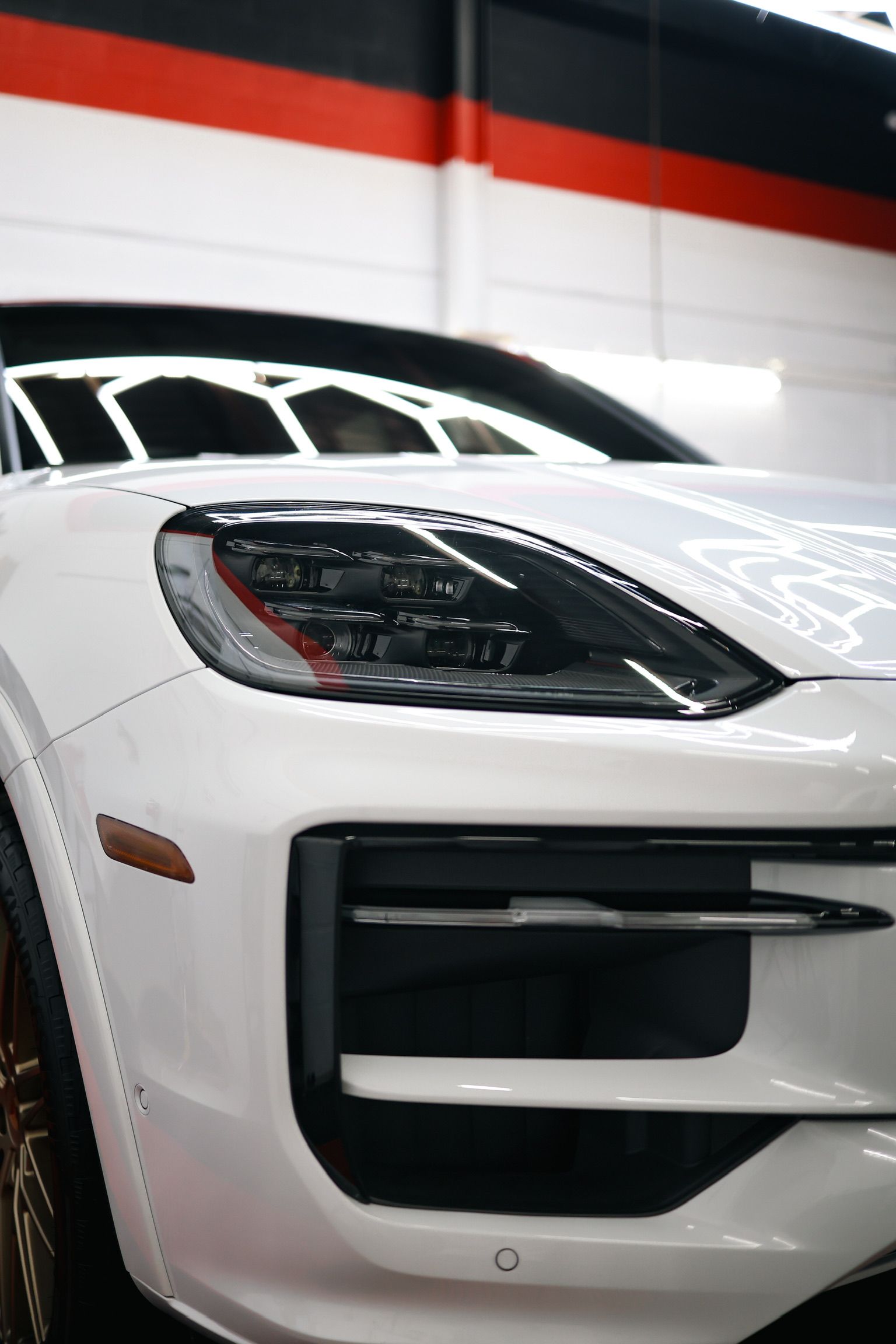
PPF Benefits:
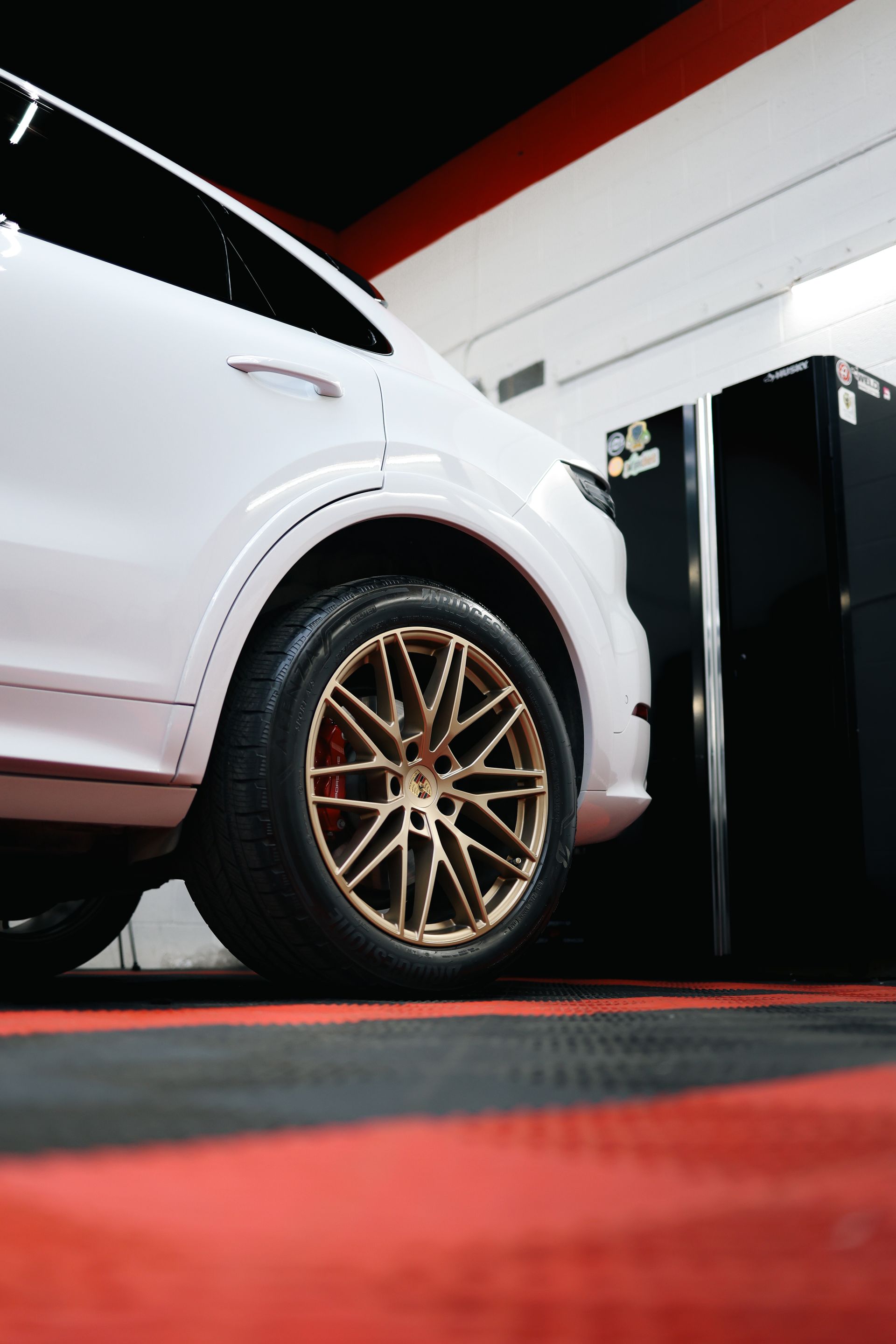
- Durable Polyurethane Construction: Shields against chips and scratches
- Optically Clear Film: Maintains your vehicle’s showroom appearance
- Self-Healing Topcoat: Repairs minor marks on its own with heat
- UV Protection: Prevents color fading and oxidation
The financial case is clear too. Professional paint repair can cost anywhere from $500 to $2,000 per incident. PPF applied upfront costs a fraction of what repeated repairs would add up to over the life of your vehicle.
At Orozco's Auto Detailing, we work with car owners across Metro Detroit — from Allen Park to Canton to Romulus — who want to protect their investment from day one. Whether you're looking at partial front-end coverage or a full-body package, getting ahead of the damage is always the smarter move.
Timing: Should You Apply PPF Right Away or Wait?
Applying PPF immediately after purchase is widely considered the best approach for preserving a factory finish. New cars come with thinner paint formulations designed to meet modern environmental standards. These finishes look fantastic but offer less resistance to chips, abrasion, and chemical contaminants than older, thicker coatings. The vulnerability is highest in the first weeks and months of ownership, before you've had time to notice or address the damage that the road is already causing to your paint.
Applying PPF from day one means the film takes the hits instead of your paint. Some car owners prefer to wait a few months, reasoning that any factory paint imperfections will surface during that time and can be addressed before the film goes on. While there is logic to this approach, the risks are significant. Chips and micro-scratches that develop in the meantime often require paint correction before PPF can be applied, which adds cost and complexity to the process. The longer you wait, the more likely you are to need that correction.
It’s also important to understand that PPF applied within the first 30 days of ownership adheres more strongly to the surface than film applied after six months or more. Better adhesion means better durability and longer-lasting results.
Additionally, PPF can’t fix damage that already exists. If there are swirl marks or oxidation on your paint, applying PPF will only trap those flaws beneath the film rather than protect against them. For those seeking both physical and environmental protection, pairing PPF with a ceramic coating is the most comprehensive approach. PPF handles the physical impacts, while ceramic coating provides a hydrophobic barrier that repels water, road grime, and contaminants. Together, they form a system that keeps your vehicle cleaner longer and looking better over time.
Pros and Cons of Immediate PPF Application
The main benefit of applying PPF right after you buy your vehicle is that you protect the paint before anything has a chance to damage it. The moment your car leaves the dealership, it’s exposed to rocks, dust, bug splatter, and environmental pollutants that can mar the factory finish quickly. Immediate application puts a transparent barrier in place before any of that has a chance to cause damage.
There’s also a clear financial argument. Paint imperfections caused by unprotected exposure can reduce a vehicle’s resale value. These losses compound over time as the paint continues to wear. PPF applied early locks in that factory condition, preserving the appearance that buyers pay a premium for. It also eliminates the need for spending on paint correction before you can even get the film installed.
And let’s not forget peace of mind. Michigan roads — especially during and after winter — are tough on paint. Knowing your car is protected from road salt, gravel, and debris makes day-to-day driving a lot less stressful.
However, there are real considerations on the other side. The upfront cost is often the biggest hesitation. A partial front-end package at Orozco's Auto Detailing starts around $1,150, and full-body coverage can reach $6,000 or more depending on the vehicle. For owners who didn’t budget for protection right after purchasing a new car, that number can feel steep, even if the long-term math favors it.
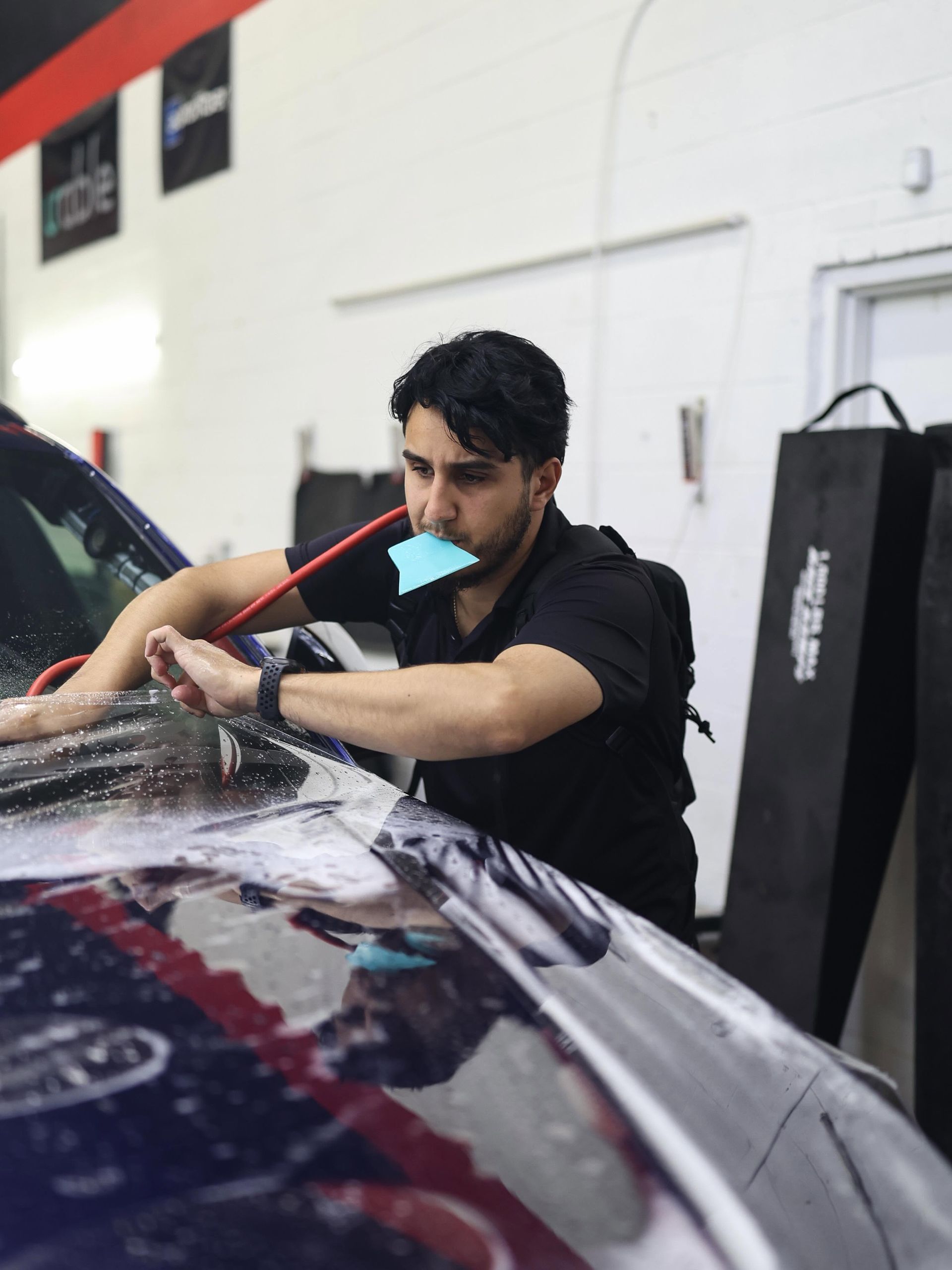
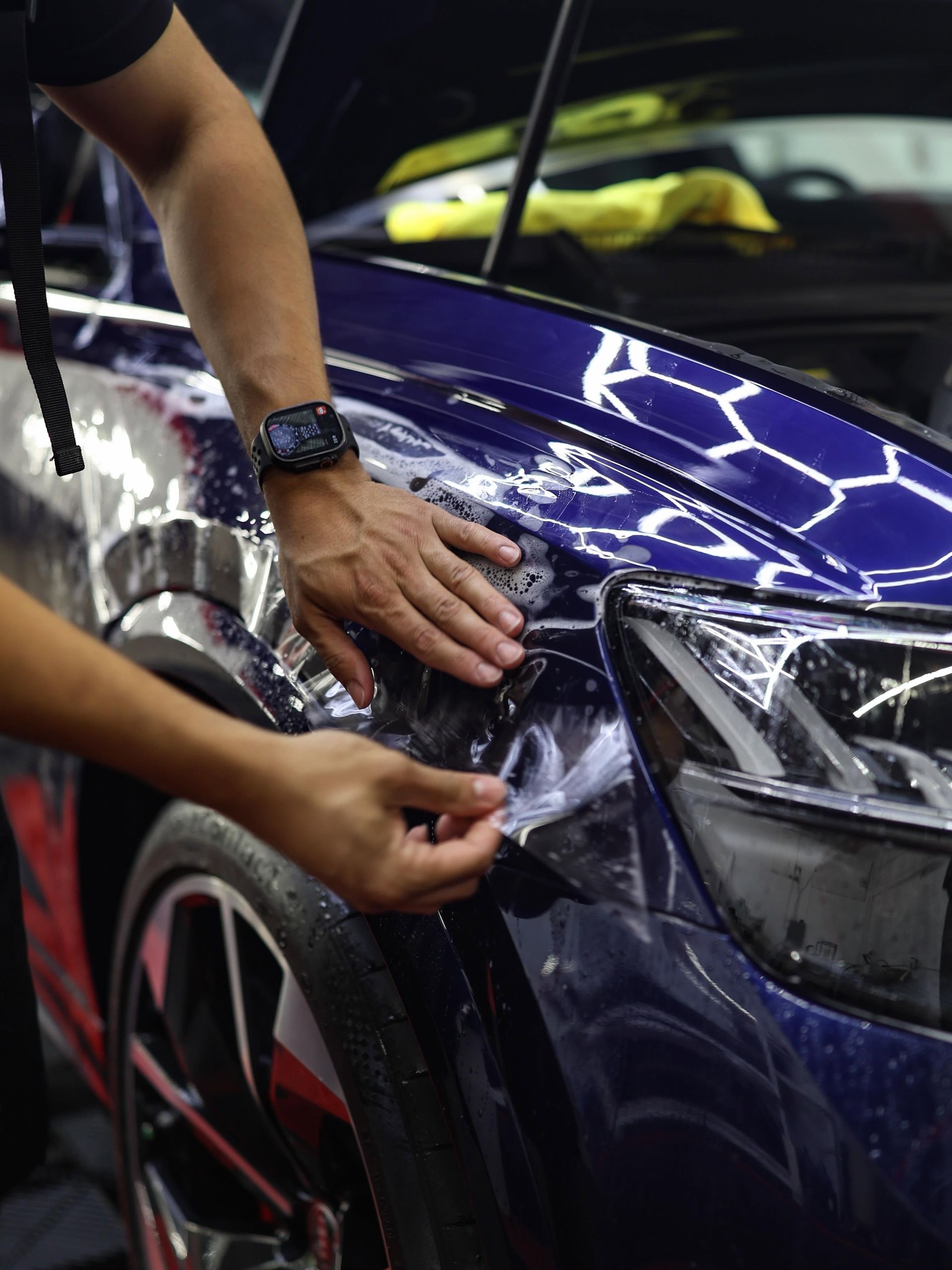
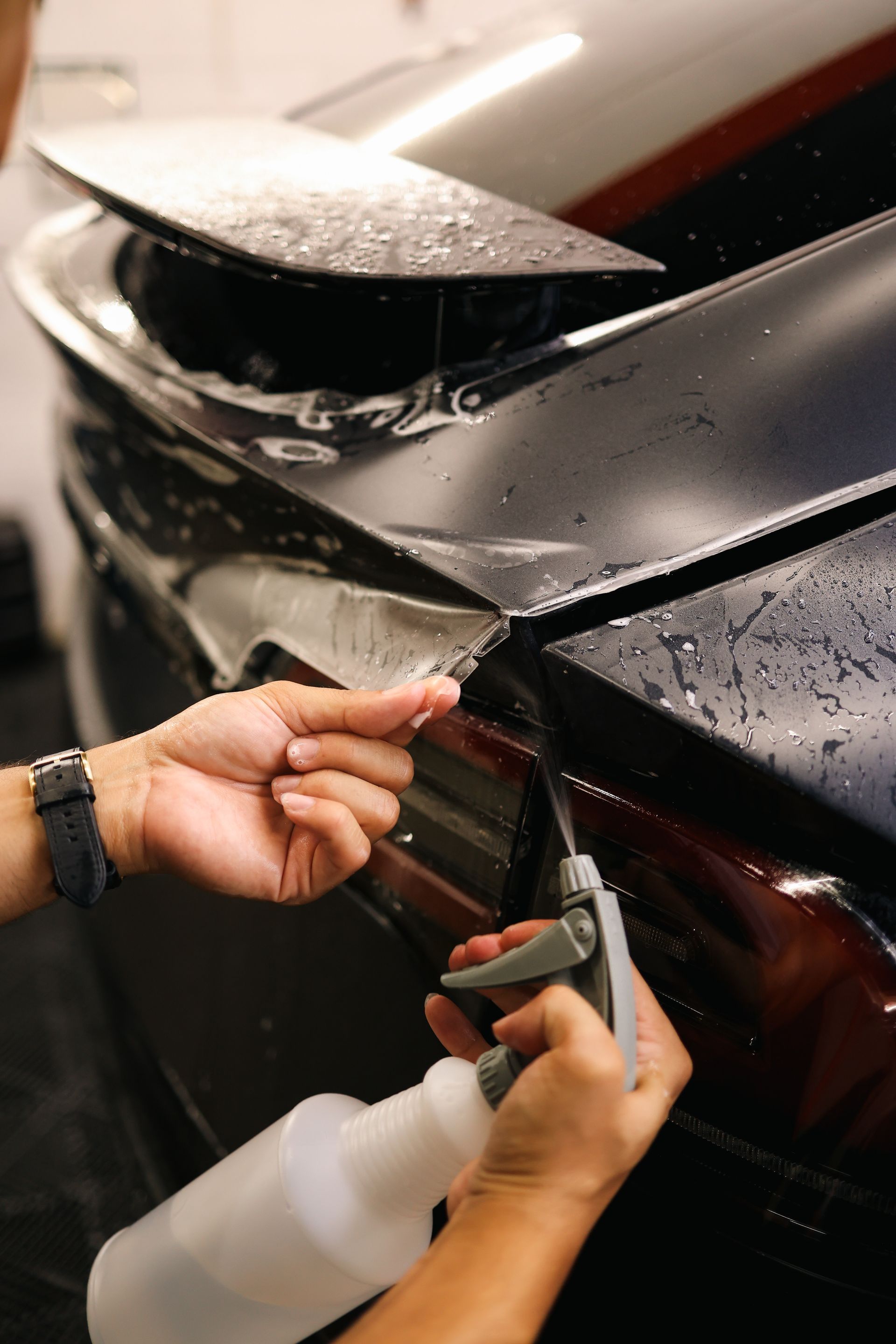
Additionally, installation quality is critical. PPF applied by inexperienced installers can bubble, lift at the edges, or develop visible seams. These issues don’t just look bad — they compromise the protection the film is supposed to provide. That’s why choosing a certified, experienced installer isn’t optional if you want the job done right.
Cost and Installation Quality: What to Expect
PPF pricing reflects both the quality of materials and the skill required for proper installation. At Orozco's Auto Detailing, partial front-end packages — covering high-impact areas like the hood, fenders, and front bumper — start at around $1,150. Full-body coverage, which protects every painted panel, can cost up to $6,000 or more, depending on the vehicle’s size and complexity.
High-grade PPF includes a self-healing topcoat that addresses minor scratches on its own over time. Our packages come with a 10-year warranty on these coatings, not because it sounds good in a sales pitch, but because we stand behind the work we do and the products we install.
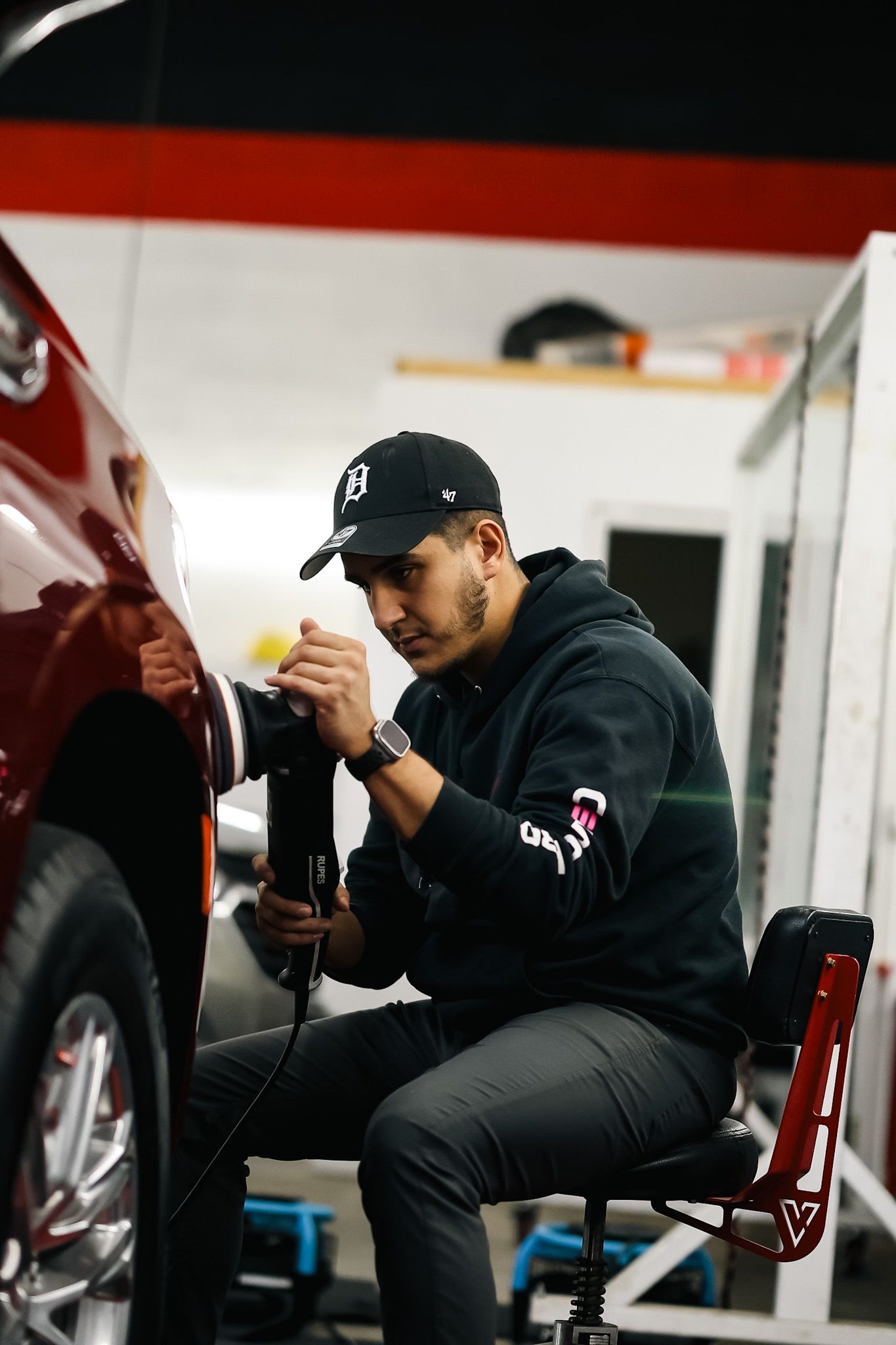
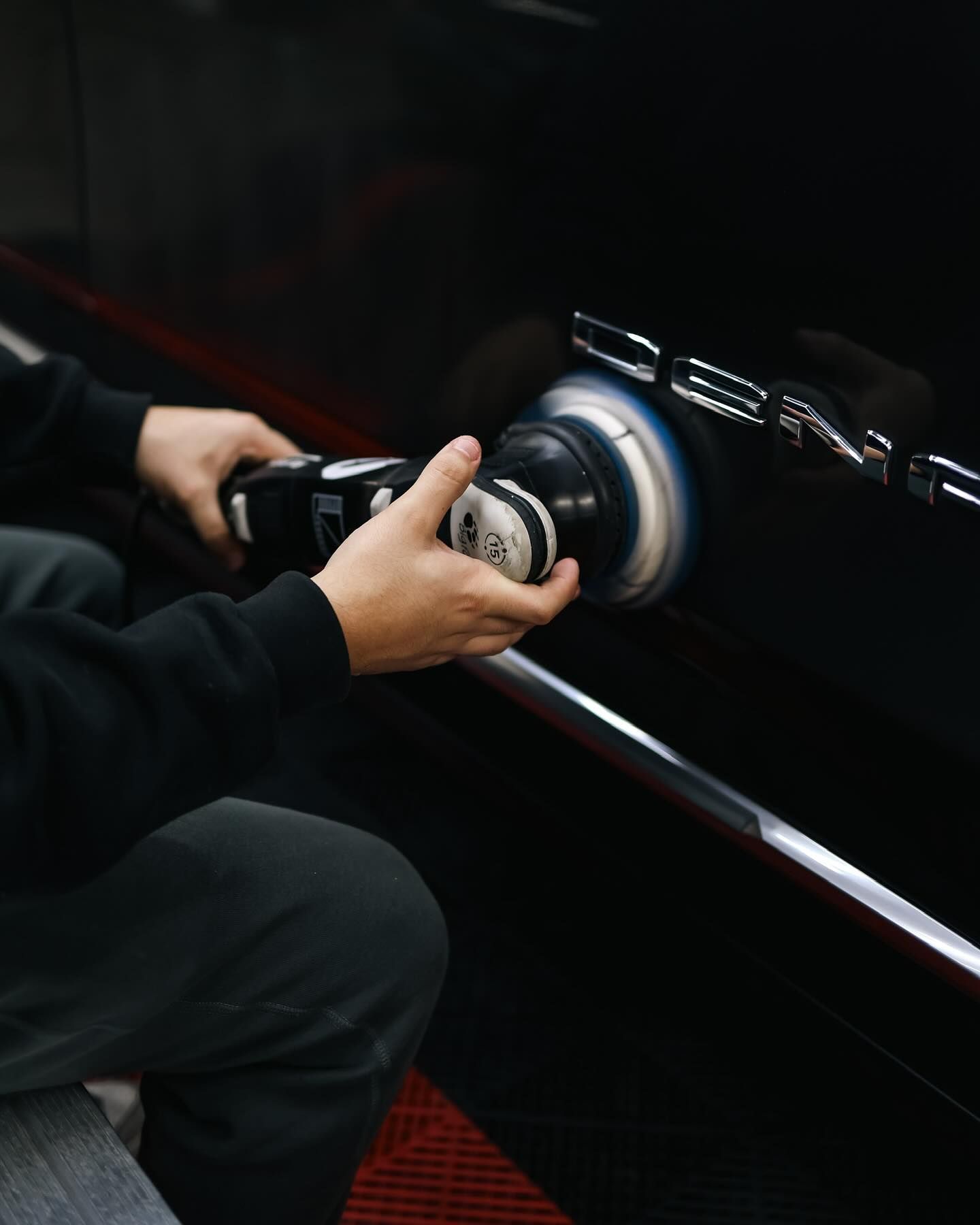
What happens when installation quality is poor is worth understanding. Bubbles trap dirt. Edges that lift expose the paint underneath to exactly the conditions you paid to prevent. Premature yellowing defeats the purpose of clear film. These issues arise from rushing the process or cutting corners on materials. A proper installation means careful surface preparation, precise alignment across the vehicle’s contours, and clean sealing at every edge.
Several factors affect your final cost:
- Coverage Area: Larger coverage means more materials and labor
- Film Grade: Premium self-healing films cost more but last longer
- Vehicle Complexity: More curves and trim lines require more installation time
- Installer Certification: Trained technicians charge more but deliver better results
- Add-on Services: Paint correction or ceramic coating adds protection and cost
At
Orozco's Auto Detailing, we work with car owners across Lincoln Park, Allen Park, Dearborn, Livonia, Woodhaven, Southgate, Taylor, Redford Charter Township, Canton, Plymouth, Flat Rock, and Romulus to build packages that fit their vehicle and their budget. The goal is always the same: protection that performs, installation that holds, and results you can see.
What Happens to Your Paint Without PPF
Driving a new car without paint protection on Michigan roads is a fast way to accumulate damage you didn’t plan for. The most common culprits are rock chips — small pieces of gravel kicked up by other vehicles that strike your hood, bumper, and front fenders. These areas take the hardest hits on a daily basis. Each chip might seem minor on its own, but they accumulate. Over time, unprotected clear coat deteriorates, creating conditions that eventually invite rust.
Environmental factors compound the physical wear. UV radiation breaks down paint gloss and causes uneven fading. Road salt — especially relevant here in Michigan — accelerates surface deterioration and can work its way into chips to cause corrosion. Bug splatter and tree sap, if left untreated, etch into clear coat and leave permanent marks.
The financial reality is simple: minor paint touch-ups start at a few hundred dollars and escalate quickly when chips spread or damage reaches the base coat. Repainting a panel professionally can cost $500 to $2,000 or more per area.
PPF eliminates most of that exposure. The film acts as a sacrificial layer — absorbing road impacts, repelling contaminants, and shielding your paint from UV damage — all without changing the appearance of your vehicle. When paired with ceramic coating, you’re protecting against both physical and chemical threats simultaneously.
Long-Term Benefits of Applying PPF Early
The case for early PPF application isn’t just about immediate protection — it compounds over time. A freshly painted car is at its most vulnerable during the first weeks on the road. Modern factory paints are thinner and more eco-conscious than older formulations, which means they’re less resistant to chips, chemical contaminants, and abrasion. Applying PPF early locks in the factory condition before any damage has a chance to start.
The long-term data supports this. Vehicles protected with PPF within their first month see significantly fewer chips and scratches over a five-year period compared to unprotected cars. That reduction translates into real savings — fewer repairs, no paint correction costs, and no partial repaints.
Resale value holds up better too. Cars maintained with quality paint protection consistently command higher resale prices compared to vehicles with visible wear, chips, or fading. For an investment-minded car owner, that matters.
Today's high-quality PPF films also include self-healing technology that keeps the protection performing longer. Minor abrasions and swirl marks smooth out naturally with heat exposure, meaning the film stays clear and protective without requiring replacement or constant attention. That's something wax and sealant simply can't replicate.
Early application also avoids a common complication: if paint damage occurs before the film goes on, that damage typically needs professional correction first. Sealing flaws beneath the film doesn’t protect them — it preserves them. Starting with clean, undamaged paint means the film performs exactly as designed.
For the most complete protection, we recommend combining PPF with ceramic coating. PPF handles physical damage from road debris and impacts; ceramic coating adds a hydrophobic layer that repels water, road salt, and chemical contaminants. Together, they reduce maintenance demands and keep your vehicle looking cleaner between washes.
Ready to Protect Your New Car? Let's talk.
Your new car deserves protection that lasts — not a repair bill six months from now. At Orozco's Auto Detailing, we work with car owners across Lincoln Park, Allen Park, Dearborn, Livonia, Woodhaven, Southgate, Taylor, Redford Charter Township, Canton, Plymouth, Flat Rock, and Romulus to find the right level of coverage for their vehicle and budget.
Whether you're looking at a partial front-end package to protect high-impact zones or full-body PPF for complete peace of mind, our team will walk you through your options, assess your vehicle’s current condition, and give you a straightforward quote—no pressure, no guesswork.
Contact us or call us at (313) 888-3822 schedule your consultation. Appointment slots fill fast, especially heading into the warmer months when demand picks up. So don’t wait until the damage is already done.
SHARE WITH YOUR FRIENDS