Is Your Ceramic Coating Failing, or Is It Just Contaminated?
A ceramic coating is designed to keep your vehicle’s paint glossy, protected, and easier to maintain for years. However, many vehicle owners become concerned when water stops beading properly, the finish feels rough, or the paint no longer has the same shine it had after installation.
In many cases, the ceramic coating has not failed. Instead, the surface has become covered with bonded contaminants such as road film, brake dust, iron particles, salt, or environmental buildup. These contaminants can block the coating’s hydrophobic properties and make a properly functioning ceramic coating appear damaged.
Understanding the difference between ceramic coating failure and surface contamination can help you avoid unnecessary recoating costs. A contaminated coating may only require professional cleaning and decontamination, while a failed coating may require removal, paint correction, and a new ceramic coating application.
How to Tell If Your Ceramic Coating Is Failing or Contaminated
The biggest difference between coating failure and contamination is how the problem appears across the vehicle.
A failing ceramic coating usually affects the entire vehicle. The paint may lose gloss, water may stop beading across multiple panels, and the finish may remain dull even after a proper wash.
Contamination typically appears unevenly. Lower doors, rocker panels, rear bumpers, and areas near the wheels often collect more road debris, salt, and brake dust. If some areas still look glossy while others appear dull or rough, contamination is usually the more likely cause.
One of the easiest ways to check is by feeling the paint after washing and drying the vehicle. A healthy ceramic coating should feel smooth and slick. If the surface feels rough like fine sandpaper, bonded contaminants are likely sitting on top of the coating.
Applying a new coating over contamination will not solve the problem. The surface needs to be properly cleaned and decontaminated before determining whether ceramic coating replacement is necessary.
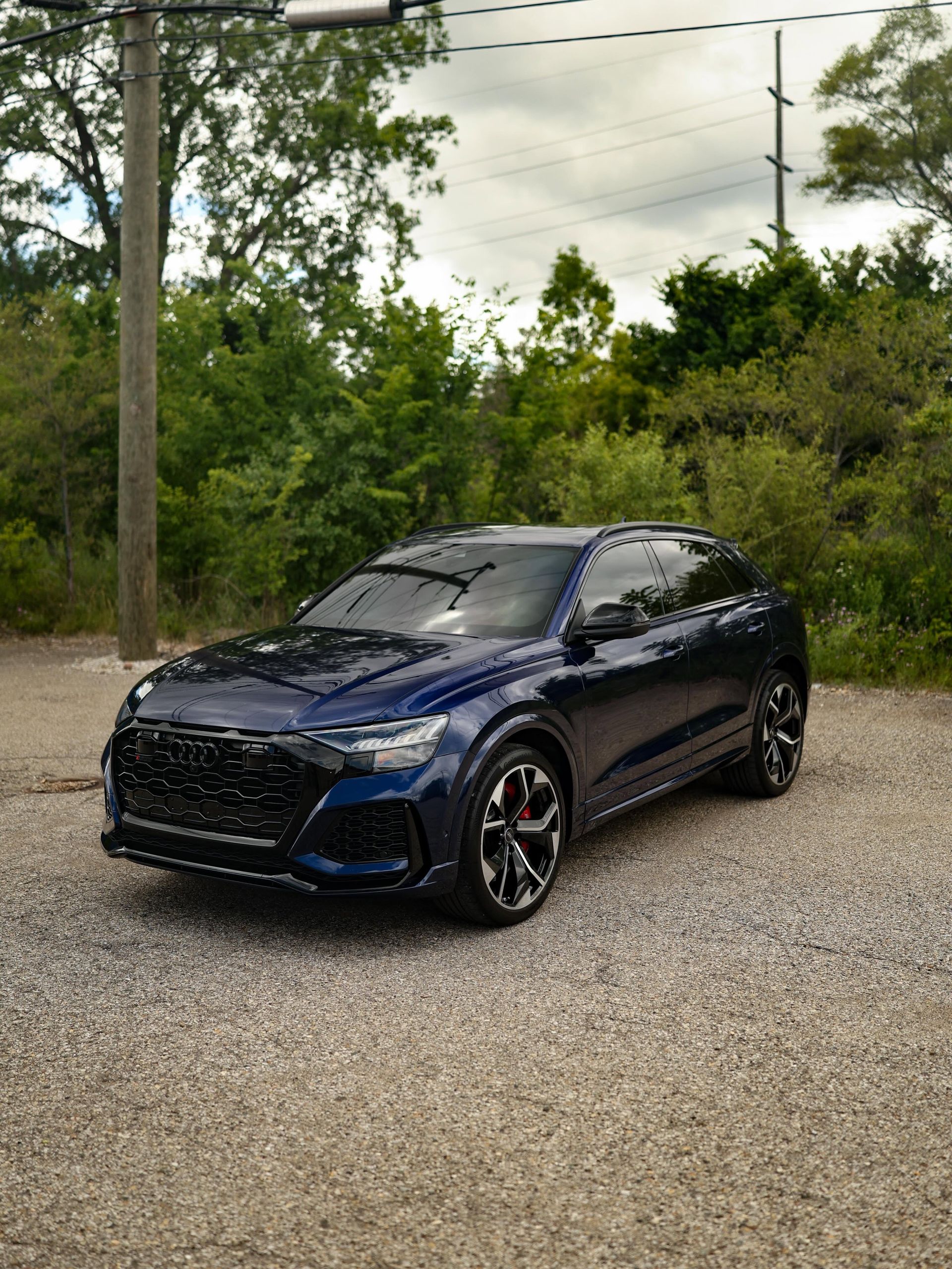
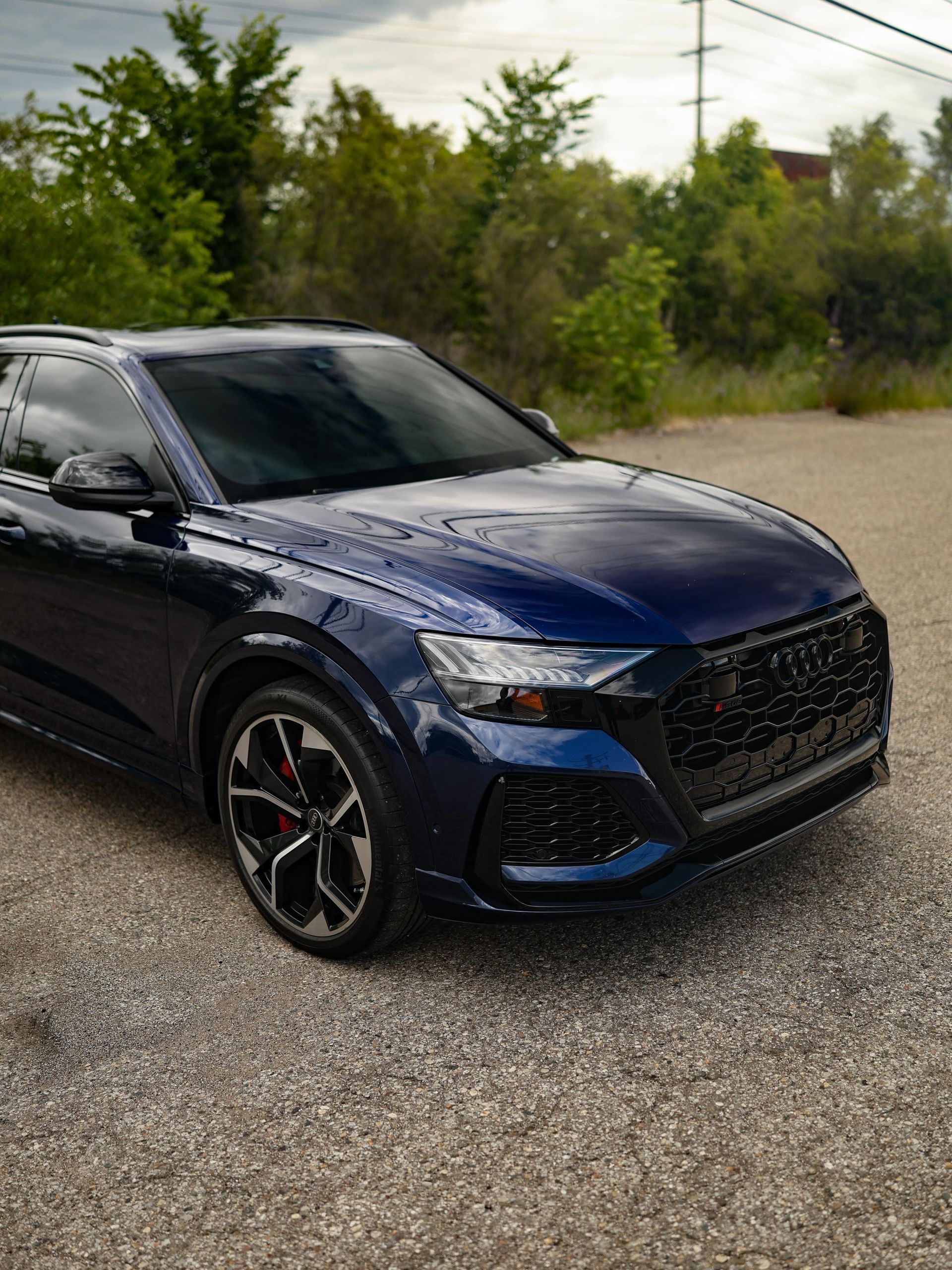
Why Ceramic Coatings Can Appear to Fail in Michigan
Vehicles in Lincoln Park, Southgate, Taylor, Dearborn, and surrounding Metro Detroit communities experience harsh conditions that can affect coating performance.
Michigan winters expose vehicles to road salt and brine, while daily driving creates exposure to brake dust, industrial fallout, tree sap, bird droppings, and other contaminants. These materials can bond to the surface and reduce gloss and water repellency without damaging the ceramic coating underneath.
Common causes of ceramic coating performance issues include:
Environmental Contamination
Road salt, iron particles, brake dust, pollen, and mineral deposits can accumulate on the coating over time. The coating may still be protecting the paint, but contamination can prevent water from beading properly.
Improper Washing Methods
Using dish soap, harsh cleaners, old towels, or abrasive washing methods can reduce coating performance and create paint defects. A pH neutral automotive shampoo and clean microfiber towels are recommended for coated vehicles.
Lack of Regular Maintenance
Ceramic coatings make vehicle maintenance easier, but they do not eliminate the need for washing and inspections. Without routine care, contaminants can build up and make the coating appear worn.
Automatic Brush Car Washes
Automatic brush washes can introduce swirl marks and reduce gloss because the brushes collect dirt and debris from previous vehicles. Touchless washes are safer when professional hand washing is not available.
Simple Ways to Check Your Ceramic Coating at Home
Before assuming your ceramic coating has failed, there are a few simple checks you can perform.
Water Beading Test
Apply water to several areas of the vehicle and observe how it reacts. A healthy coating should create tight water beads that move easily across the surface. If some panels perform differently than others, contamination may be affecting the coating.
Paint Feel Test
After washing and drying the vehicle, lightly run your hand across the paint. A smooth surface typically indicates the coating is performing properly. A rough or gritty feeling usually means contaminants need to be removed.
Isopropyl Alcohol Test
A small test area can be wiped with diluted isopropyl alcohol before checking water behavior again. If water beading improves after cleaning the area, contamination was likely the issue. If performance does not return, the coating may need professional evaluation.
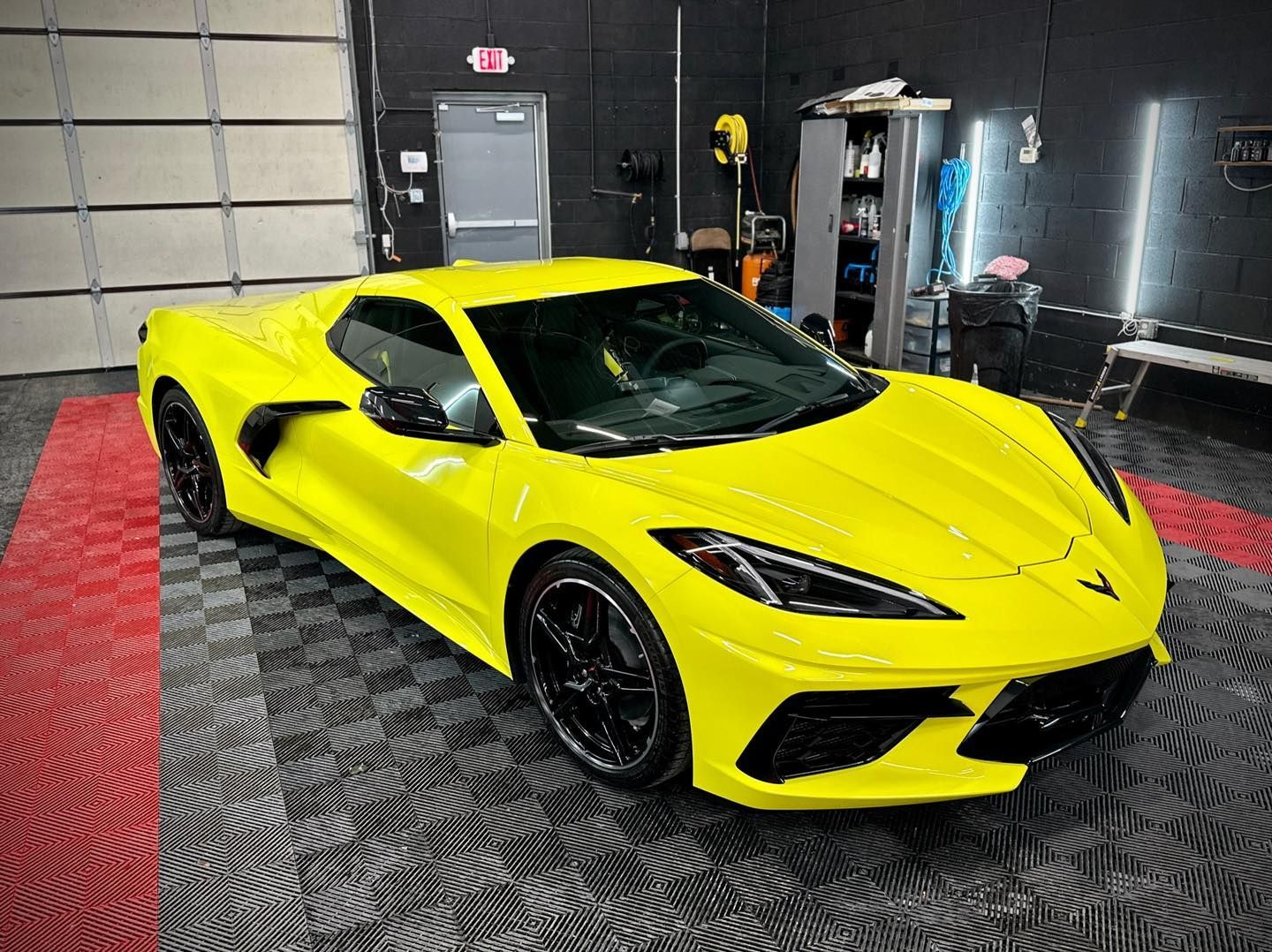
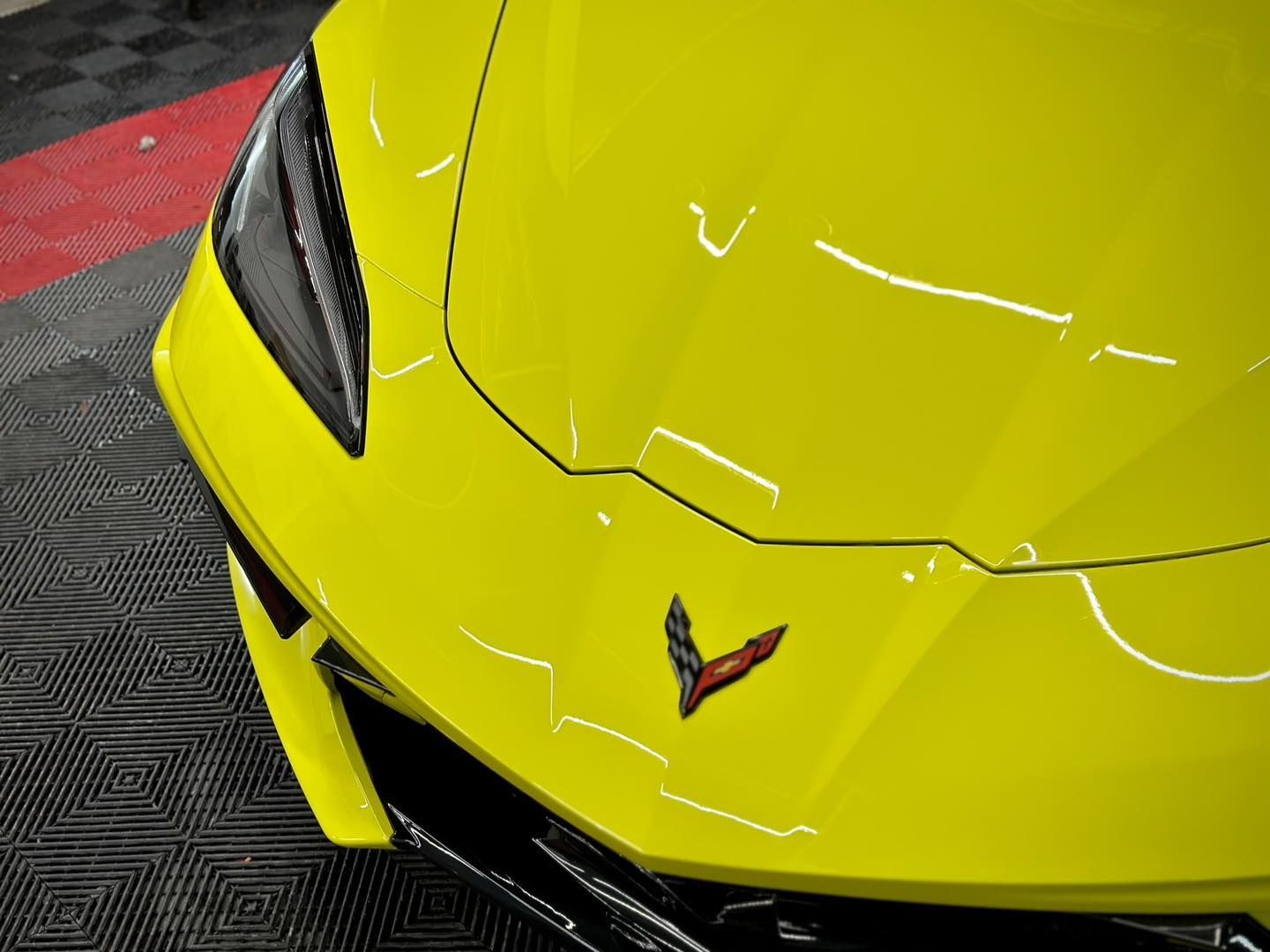
Proper Ceramic Coating Maintenance
Regular maintenance is one of the best ways to protect your ceramic coating investment.
Recommended maintenance practices include:
- Washing your vehicle regularly, especially during Michigan winters
- Removing bird droppings and tree sap quickly
- Using pH neutral shampoo and microfiber towels
- Avoiding automatic brush washes
- Inspecting the paint periodically in natural light
Professional ceramic coating maintenance can also help identify whether your coating needs cleaning, decontamination, or additional protection.
At Orozco's Auto Detailing, our ceramic coating packages are designed with proper maintenance in mind. Our Pro Coating Package includes a five-year warranty with annual maintenance requirements, while our Elite Ceramic Coating Package includes lifetime warranty coverage with biannual maintenance requirements.
When Ceramic Coating Needs to Be Reapplied
A ceramic coating may need replacement when proper maintenance and decontamination no longer restore performance.
Signs that recoating may be necessary include:
- Gloss remains reduced after cleaning
- Water no longer beads across the entire vehicle
- Staining remains after decontamination
- Testing does not restore hydrophobic performance
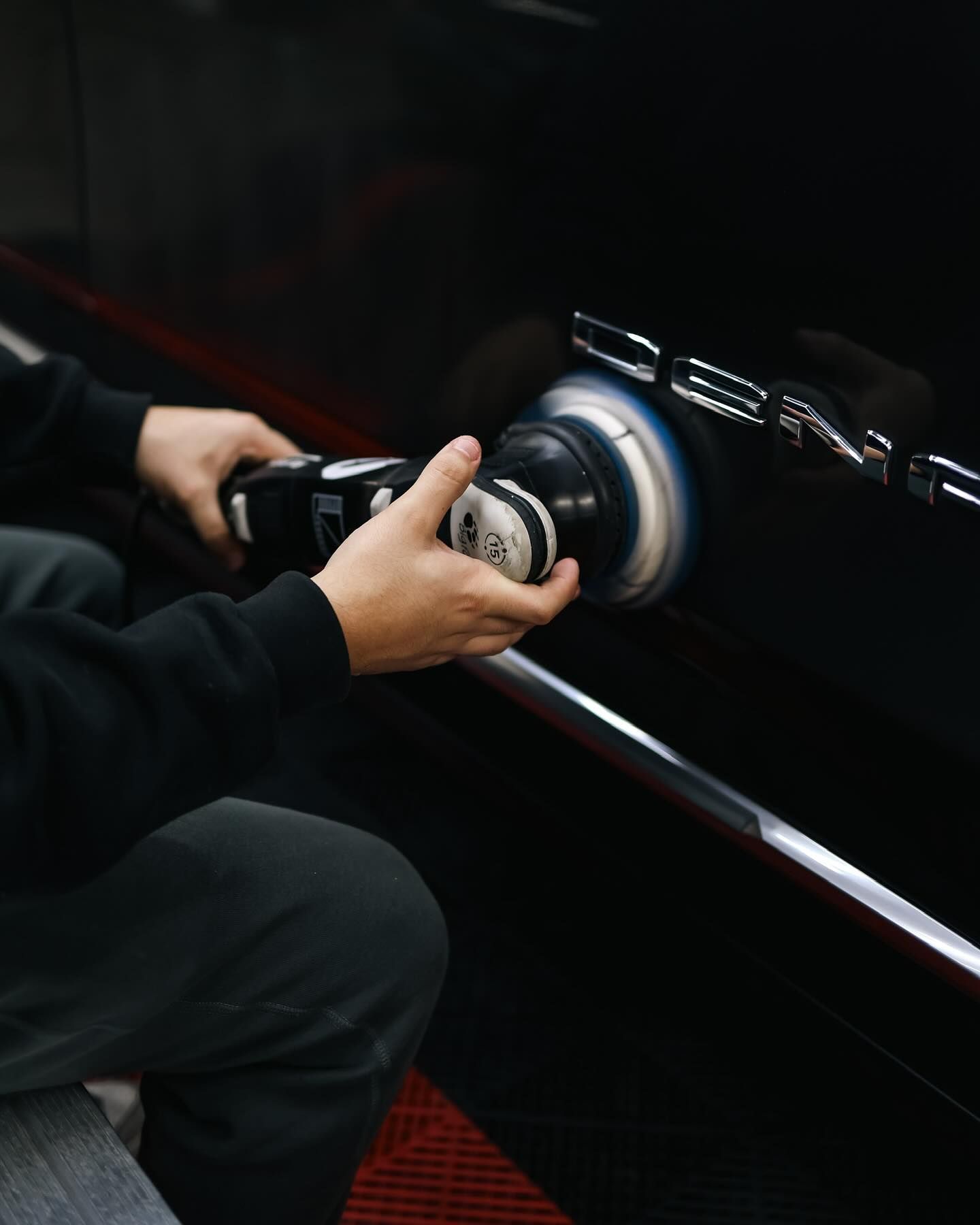
Before applying a new ceramic coating, proper surface preparation is essential. Existing defects, contamination, or paint imperfections should be addressed first. This may include professional paint correction to restore the surface before new protection is applied.
For drivers who want additional protection against rock chips and road debris, combining ceramic coating with paint protection film can provide a more complete vehicle protection strategy.
Professional Ceramic Coating Inspection in Lincoln Park, MI
If your ceramic coating looks like it is no longer performing, do not assume it needs replacement. The issue may simply be contamination that requires professional cleaning and maintenance.
Orozco's Auto Detailing provides ceramic coating inspections, maintenance, paint correction, and vehicle protection services for drivers in Lincoln Park and surrounding communities, including Allen Park, Dearborn, Livonia, Woodhaven, Southgate, Taylor, Redford Charter Township, Canton, Plymouth, Flat Rock, and Romulus.
Our team can evaluate your vehicle, determine whether your coating needs maintenance or replacement, and recommend the right solution for your paint protection goals.
Contact Orozco's Auto Detailing today to schedule a ceramic coating inspection or request a free estimate.
Frequently Asked Questions
How can I tell if my ceramic coating is failing?
A failing ceramic coating typically shows reduced gloss, poor water behavior across the entire vehicle, and limited improvement after washing or decontamination. Professional inspection can determine whether the coating needs maintenance or replacement.
Can a contaminated ceramic coating be restored?
Yes. Many ceramic coatings can regain performance after proper washing, chemical decontamination, and professional maintenance.
How often should a ceramic coated vehicle be maintained?
Maintenance schedules depend on driving conditions, product type, and warranty requirements. Vehicles exposed to Michigan winters and daily driving may require more frequent care.
Should I apply a new ceramic coating over an old one?
No. The surface should be properly cleaned and prepared first. Applying a new coating over contamination or defects can reduce performance and create an uneven finish.
SHARE WITH YOUR FRIENDS