When Should Damaged PPF Be Repaired or Completely Replaced?
Paint protection film (PPF) is designed to absorb everyday wear before it reaches your vehicle’s paint. Road debris, winter salt, bug residue, and normal driving can all leave marks on the film over time. The key question is whether the problem is limited to the surface or whether the PPF has reached the point where replacement is the better option.
Minor surface imperfections, temporary installation haze, and some small curing bubbles may improve without replacement. Deep cuts, tears, contaminated lifting edges, widespread peeling, cracking, severe yellowing, or adhesive failure usually require new film. In many cases, only the affected panel needs replacement rather than the entire vehicle.
How to Tell Whether PPF Needs Repair or Replacement
Before assuming the film has failed, wash and dry the vehicle so dirt and road film do not hide the actual condition. Inspect the PPF under good lighting and check the surface, edges, hood, front bumper, fenders, mirrors, and rocker panels.
Light marks in the self-healing top layer are different from a cut that has penetrated through the film. A professional PPF inspection is useful when you cannot tell whether the issue is cosmetic, related to curing, or caused by adhesive failure.
Common PPF Damage Signs to Watch For
Light surface marks: Quality self-healing PPF is designed to reduce the appearance of light surface imperfections when activated by warmth. These do not automatically mean the film needs replacement.
Cuts and tears: A deep cut or tear that passes through the film compromises the protective barrier. Replacing the film on that panel is usually the cleaner long-term solution.
Bubbles or haze: Small bubbles or cloudy areas shortly after installation can be part of curing. Bubbles that contain contamination, grow, or appear long after installation deserve professional inspection.
Lifting edges: PPF lifting edges can allow dirt, moisture, wax, or road salt underneath the film. A contaminated or repeatedly lifting edge may require replacement.
Yellowing, cracking, or cloudiness: Persistent PPF yellowing, cracked Paint Protection Film, or cloudy PPF can indicate aging or material deterioration and generally cannot be corrected through routine maintenance.
When Can Damaged PPF Be Corrected Without Replacement?
Not every visual change means the film has failed. Minor surface imperfections may improve through the self-healing properties of modern film.
New-installation haze and small moisture pockets may also improve as the film cures. If an area remains unchanged, contains dirt, or becomes larger, it should be inspected rather than punctured or pressed.
Fresh contamination may be removable with PPF-safe washing products. Avoid abrasive compounds, harsh chemicals, needles, adhesives, or aggressive DIY heat methods. These can turn a manageable issue into damage that requires PPF panel replacement.
When Should Paint Protection Film Be Replaced?
Replacement is usually the better choice when the film can no longer provide consistent protection or maintain proper adhesion.
Film that is cut or torn through should generally be replaced on the affected panel. A patch may cover a small area, but it can create visible seams and may not provide the same finished appearance as a properly installed replacement section.
Repeated lifting is another warning sign. Once debris or residue has collected beneath an edge, simply pressing it back down may not restore reliable adhesion.
PPF bubbling repair is also limited when contamination is trapped below the film or when bubbles develop because the adhesive has started to fail. Widespread peeling, cracking, persistent cloudiness, or significant discoloration can indicate the film has reached the end of its useful service life.
Full PPF replacement is not always necessary. If damage is isolated to the hood, bumper, fender, mirror, or another individual section, partial PPF replacement may be possible.
How Long Does PPF Last?
Paint Protection Film lifespan depends on film quality, installation, exposure, maintenance, climate, and vehicle use. Professionally installed PPF commonly remains in service for several years, but there is no single replacement schedule for every vehicle.
Orozco's Auto Detailing currently offers PPF packages with a self-healing top coat backed by a 10-year warranty. Warranty eligibility depends on the issue and applicable terms, so owners should check coverage before paying for removal or replacement.
Michigan conditions can affect how film ages. Winter road salt, temperature changes, road debris, highway driving, and sun exposure all influence long-term condition.
What Affects PPF Repair or Replacement Cost?
PPF repair cost and PPF replacement cost depend on the extent of the problem and the area involved. A flat panel may require less labor and material than a complex bumper with curves or sensors.
An in-person evaluation is the most reliable way to determine whether correction, partial replacement, or broader replacement makes sense.
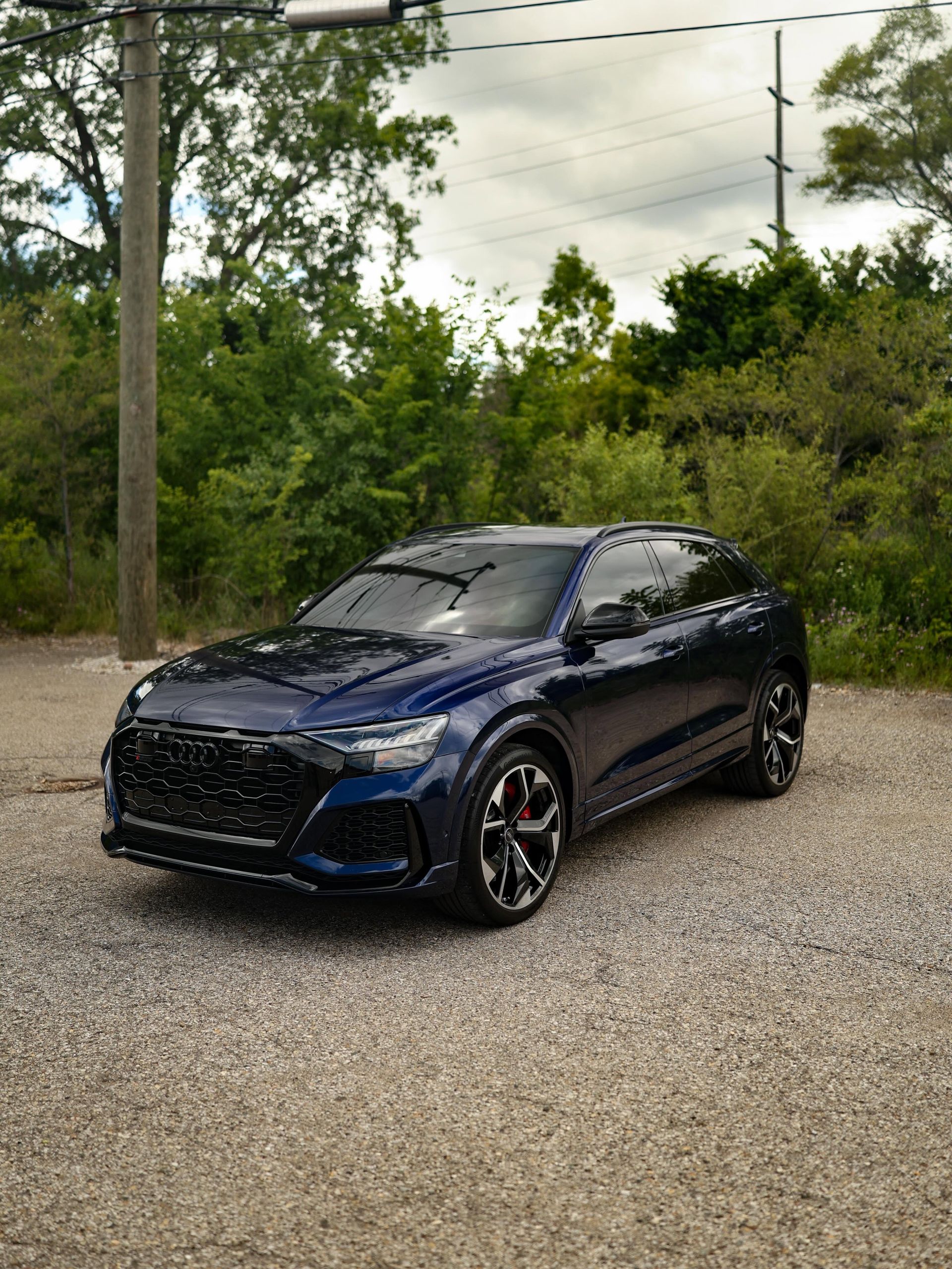
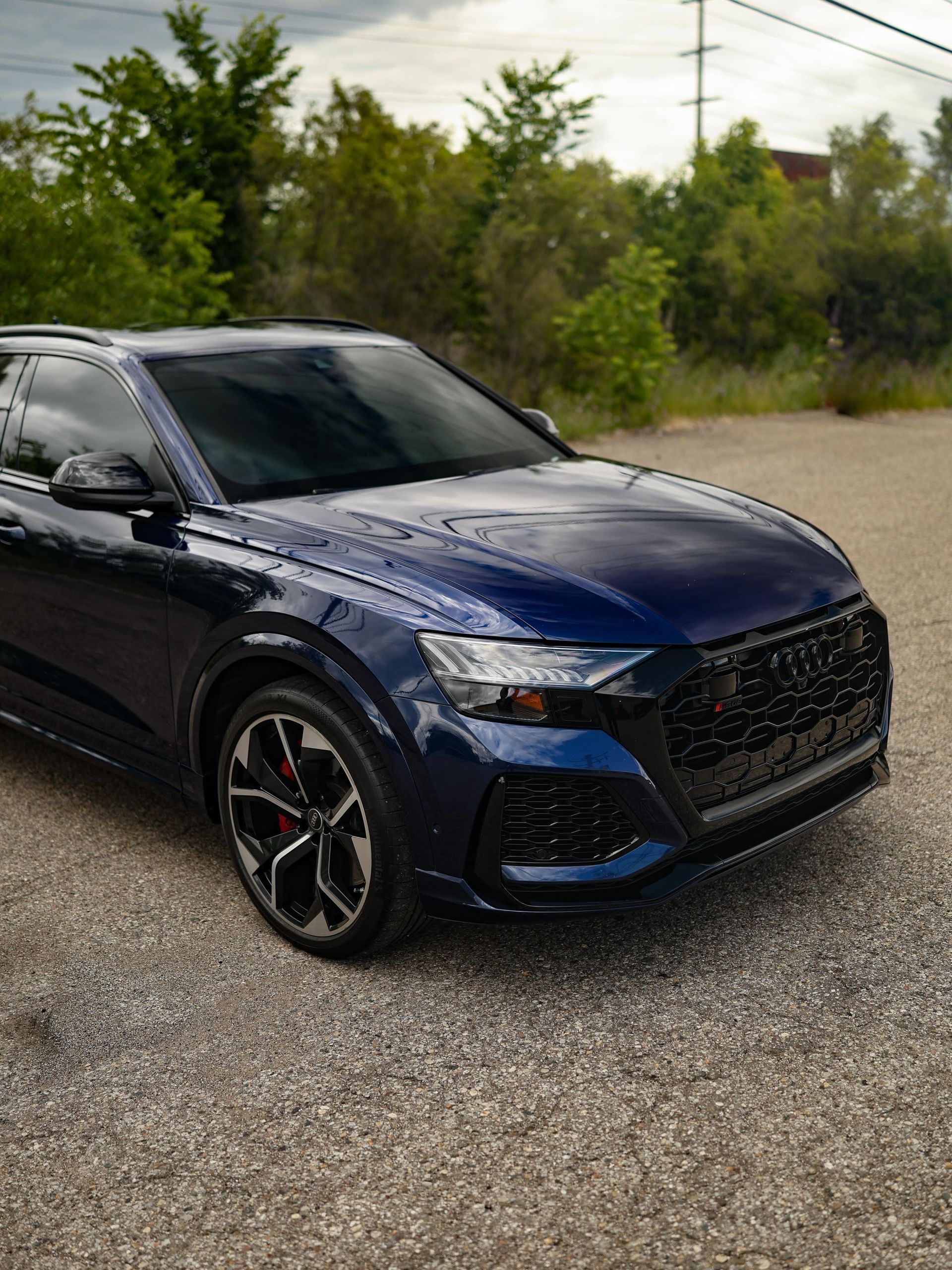
How to Protect Paint Protection Film and Extend Its Life
Wash the vehicle with a gentle, PPF-safe shampoo and clean microfiber wash media. Remove bird droppings, insects, sap, and road grime promptly. Avoid directing high-pressure water closely at film edges, and skip automatic brush washes that can catch vulnerable edges.
During Michigan winters, regular washing is especially important because salt and road brine can collect around seams and lower panels. Periodically inspect the film for lifting, stains, cloudiness, cuts, or changes in adhesion.
A ceramic coating can also be applied over compatible PPF to improve hydrophobic behavior and make routine cleaning easier. It does not make PPF damage-proof, but it can support easier maintenance.
Frequently Asked Questions
Can Self-Healing PPF Repair Every Scratch?
No. Self-healing technology is intended for light surface marks in the film’s top layer. Deep cuts, tears, and damage that penetrates through the film will not disappear through heat activation.
Will Removing PPF Damage Factory Paint?
Professionally installed PPF can generally be removed safely from sound factory paint when proper techniques are used. Aging film, repaint history, and the condition of the underlying surface can affect removal, so professional Paint Protection Film removal is recommended.
Do I Have to Replace PPF on the Whole Vehicle?
Usually not. If the damage is limited to one panel or section, a professional installer may recommend PPF panel replacement instead of replacing all existing coverage.
Get a Professional PPF Inspection in Lincoln Park, MI
If you are deciding when damaged PPF should be repaired or replaced, focus on the condition of the film rather than assuming every mark requires new material. Light surface imperfections and normal curing behavior may improve, while deep cuts, contaminated lifting edges, persistent bubbling, cracking, or deteriorated film are stronger signs PPF needs replacement.
Orozco's Auto Detailing provides professional Paint Protection Film installation and inspection in Lincoln Park, Michigan, serving vehicle owners from Allen Park, Dearborn, Livonia, Woodhaven, Southgate, Taylor, Redford Charter Township, Canton, Plymouth, Flat Rock, Romulus, and surrounding Metro Detroit communities.
If your PPF is no longer protecting the way it should,
request a free quote from Orozco's Auto Detailing or call
(313) 888-3822 to have the film evaluated and determine whether correction or panel replacement is the appropriate next step.
SHARE WITH YOUR FRIENDS