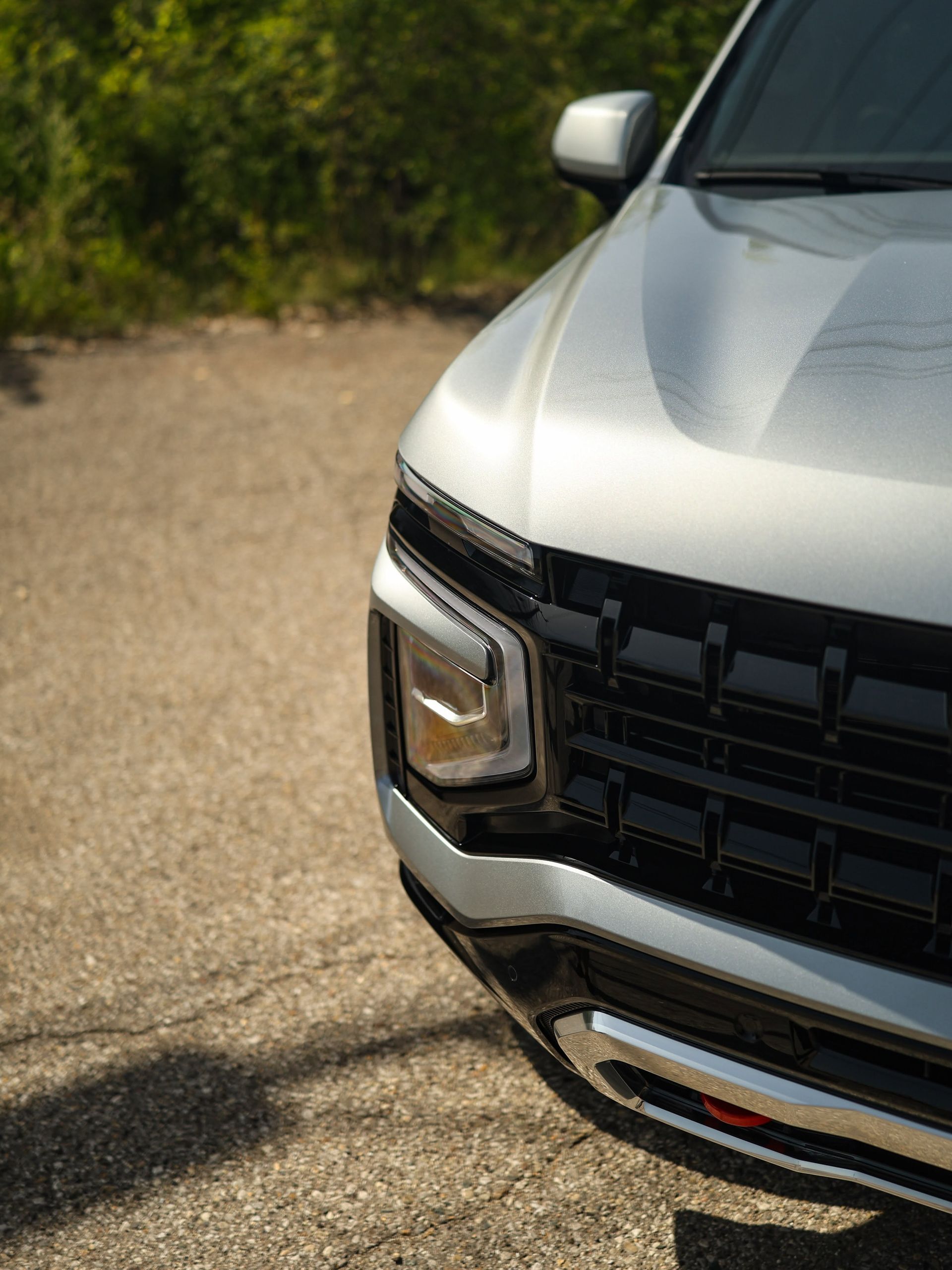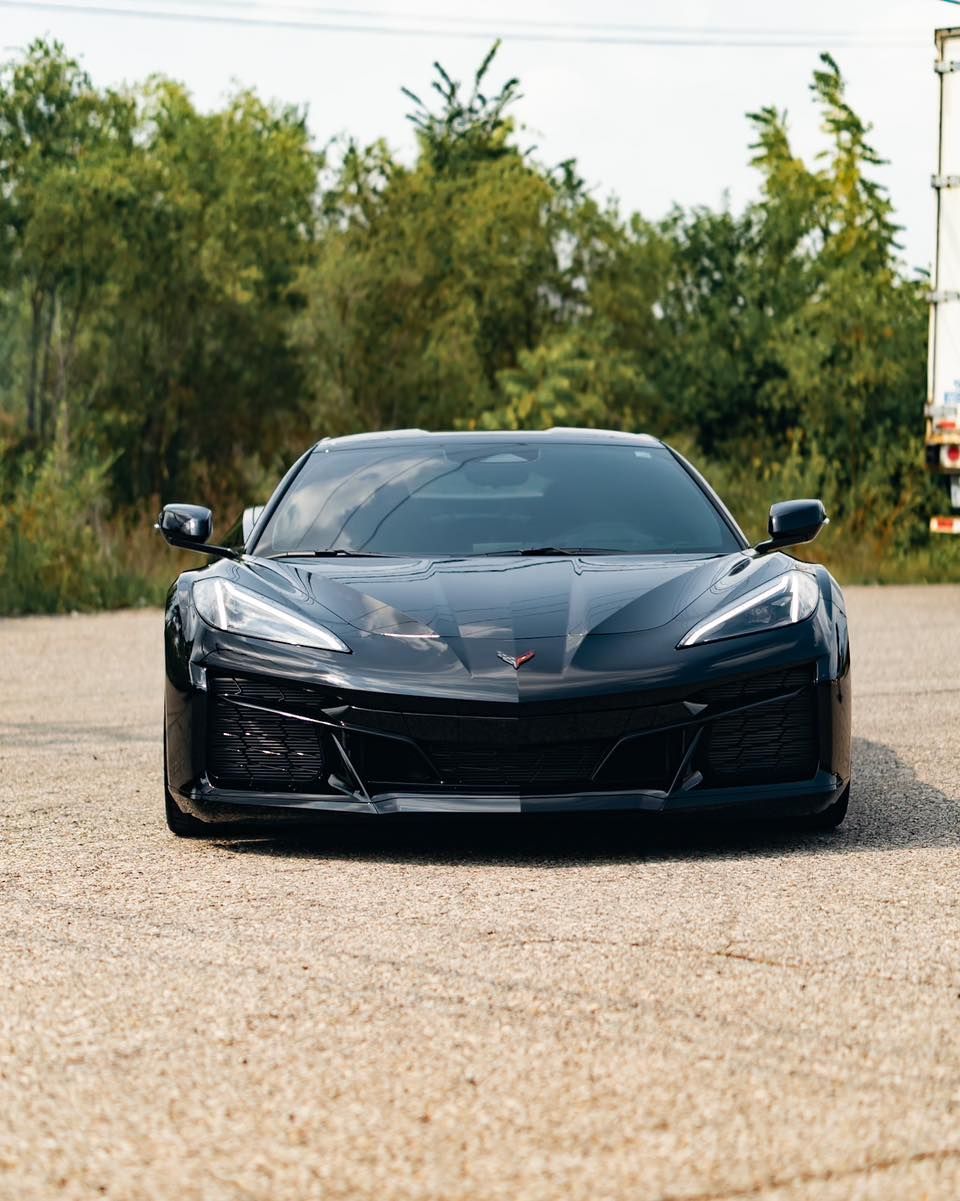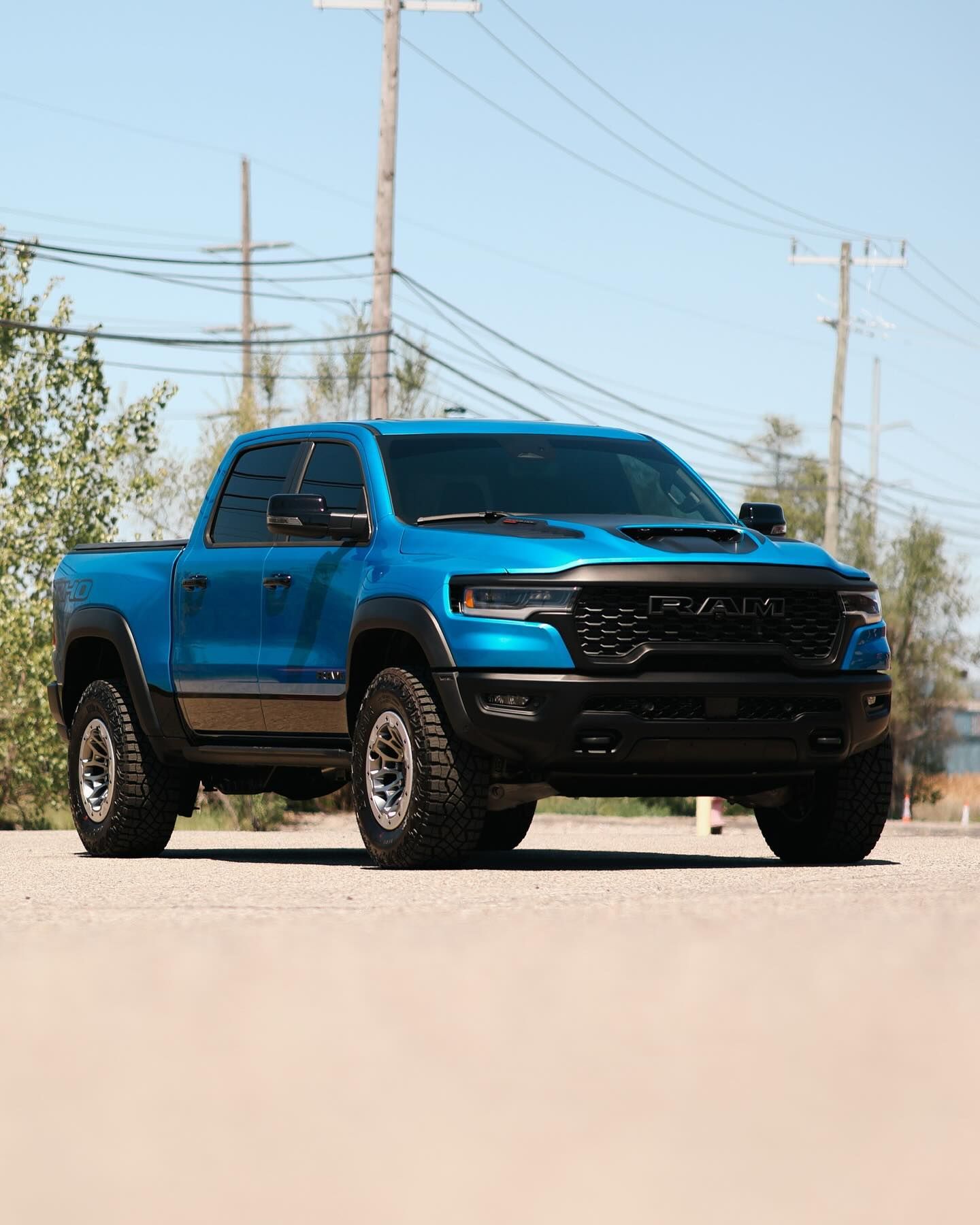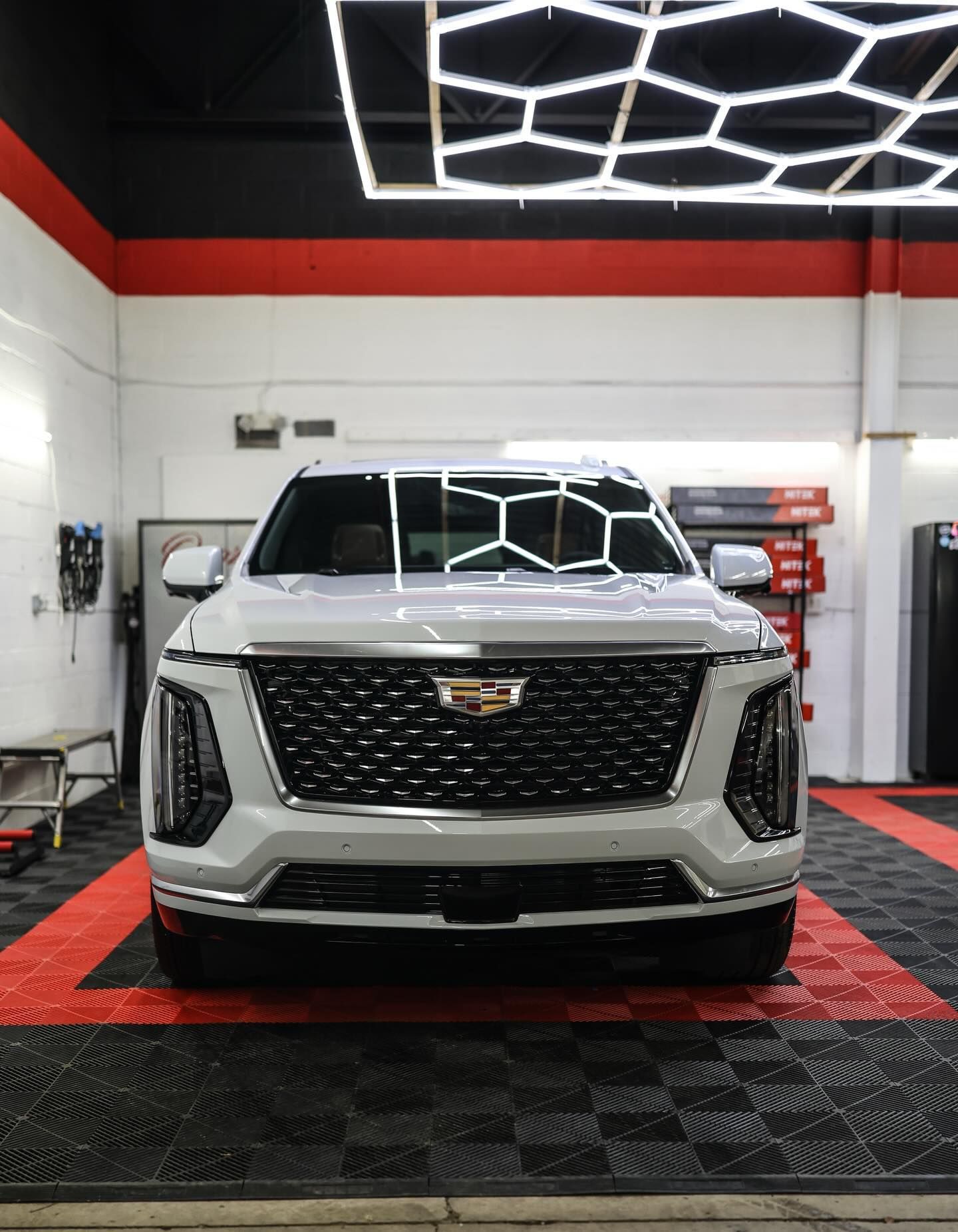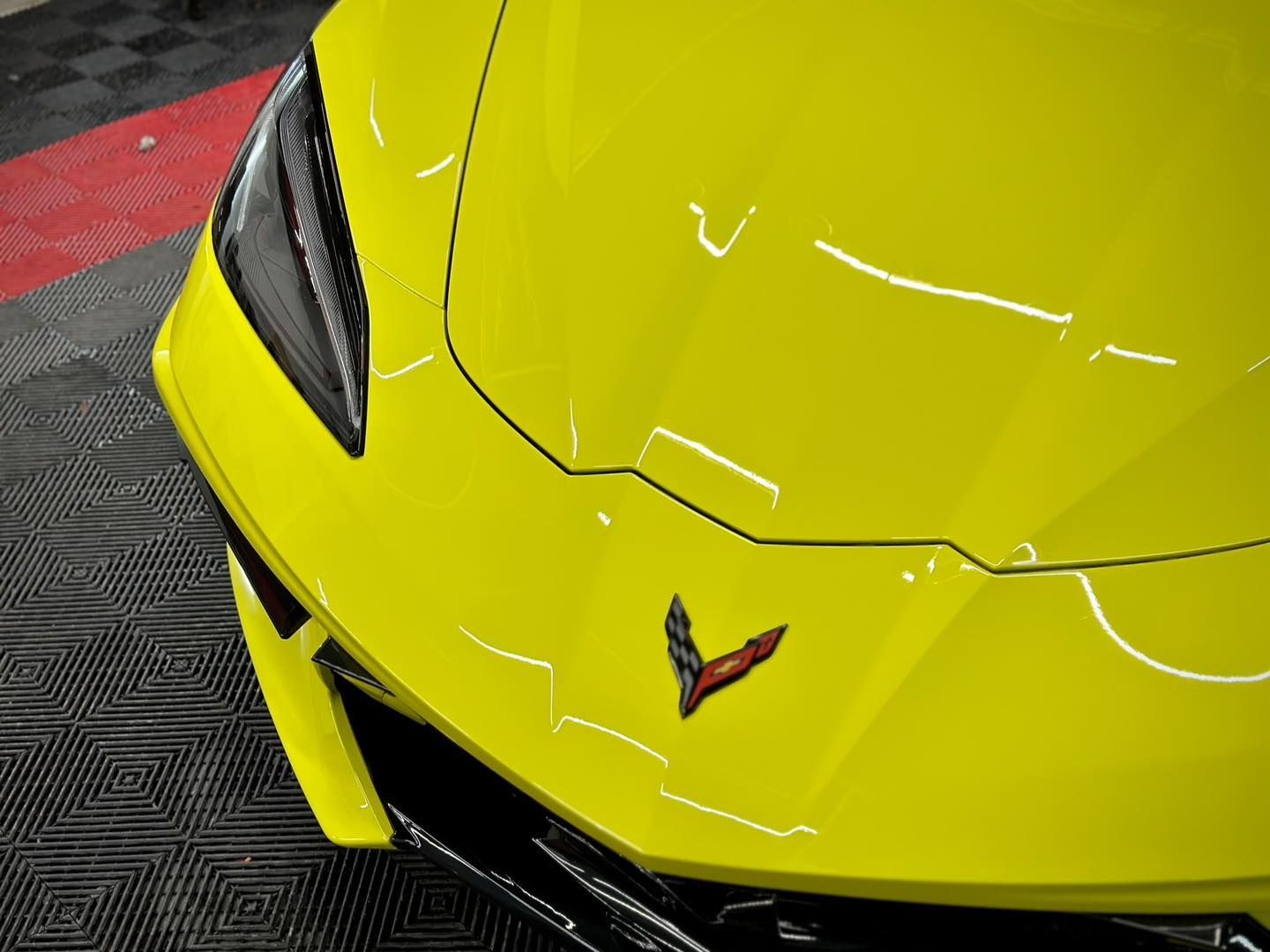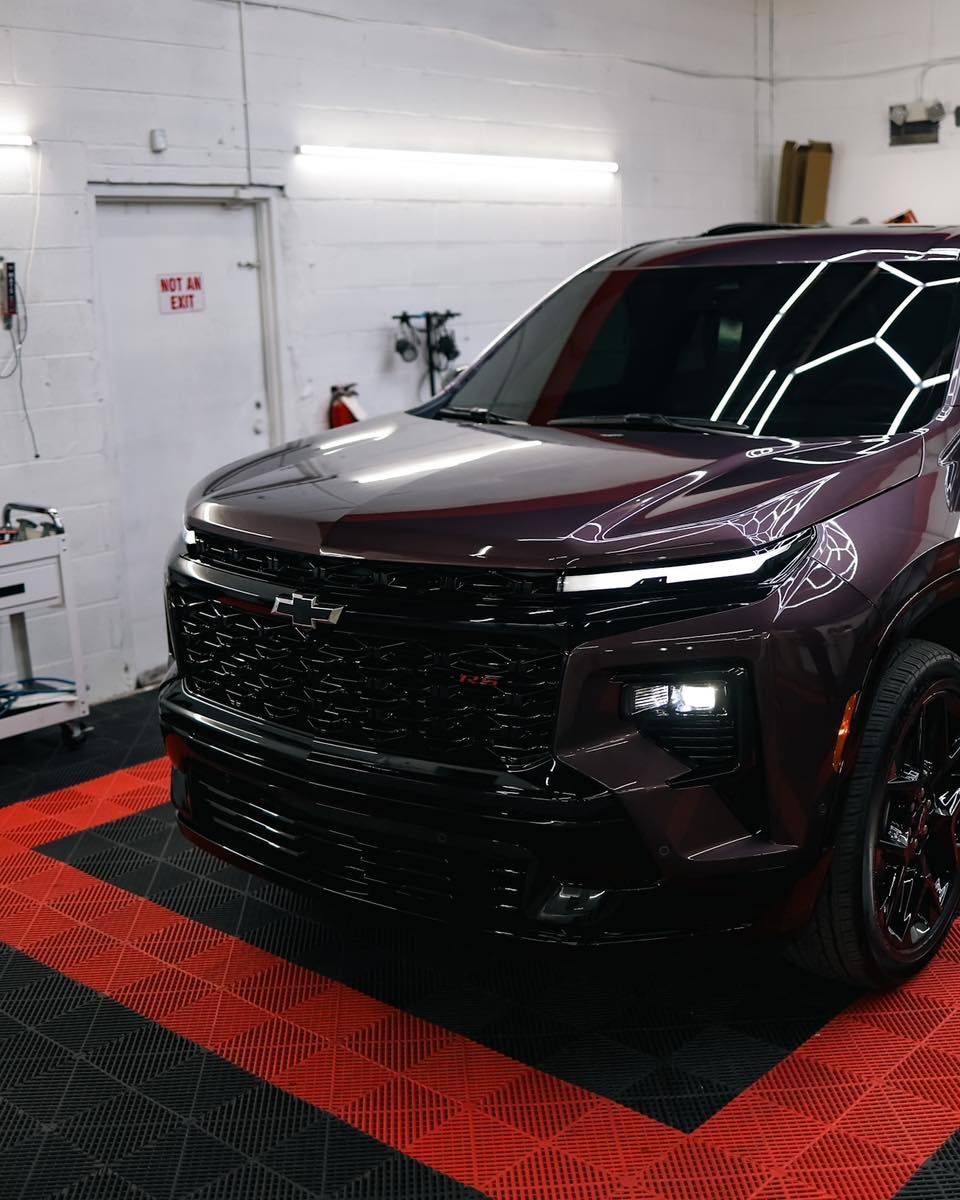
The best time to install paint protection film on a new car is as soon as practical after delivery, before regular driving creates rock chips, scratches, or other visible paint damage. Early installation allows the film to protect clean factory paint and may reduce the correction needed before application.
Drivers in Lincoln Park and throughout Metro Detroit face road debris, winter salt, and highway traffic that can affect a new vehicle's finish quickly. At Orozco's Auto Detailing, we inspect each vehicle before recommending coverage based on its condition and driving habits.
What Is Paint Protection Film?
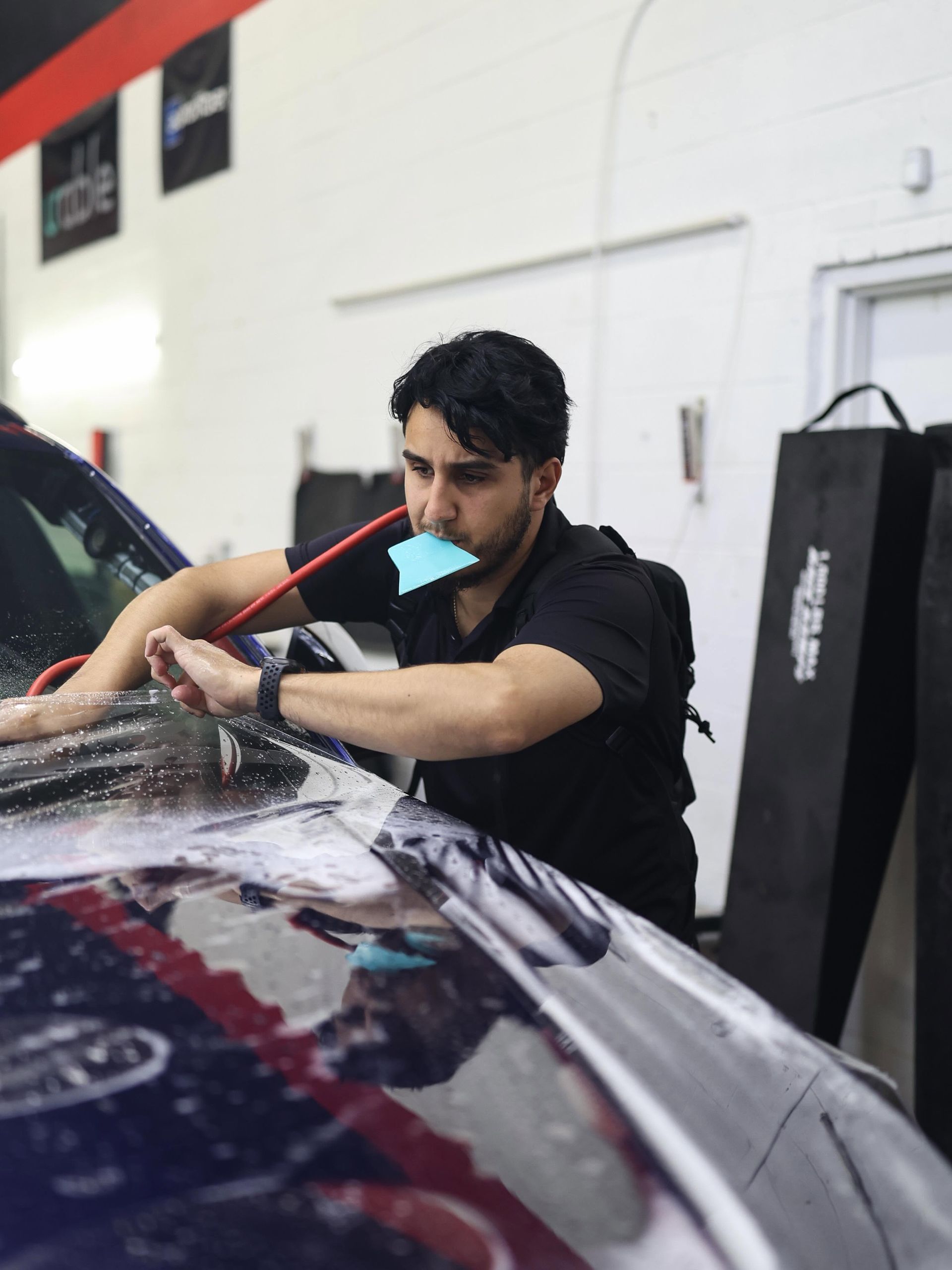
Paint protection film, commonly called PPF or clear bra, is a transparent urethane film applied to painted surfaces. It creates a physical barrier that helps protect the finish from rock chips, minor abrasions, bug residue, and road debris.
Modern PPF may include a self-healing top layer. With appropriate heat, light marks in the film can become less visible as the top layer returns to a smoother appearance. This feature applies to the film itself and does not repair deep damage or scratches in the paint underneath.
Common coverage areas include:
- Front bumper
- Hood and front fenders
- Side mirrors
- Rocker panels
- Door edges
- Headlights
Full-body coverage is also available for owners seeking more complete protection.
Why Is Early PPF Installation Better?
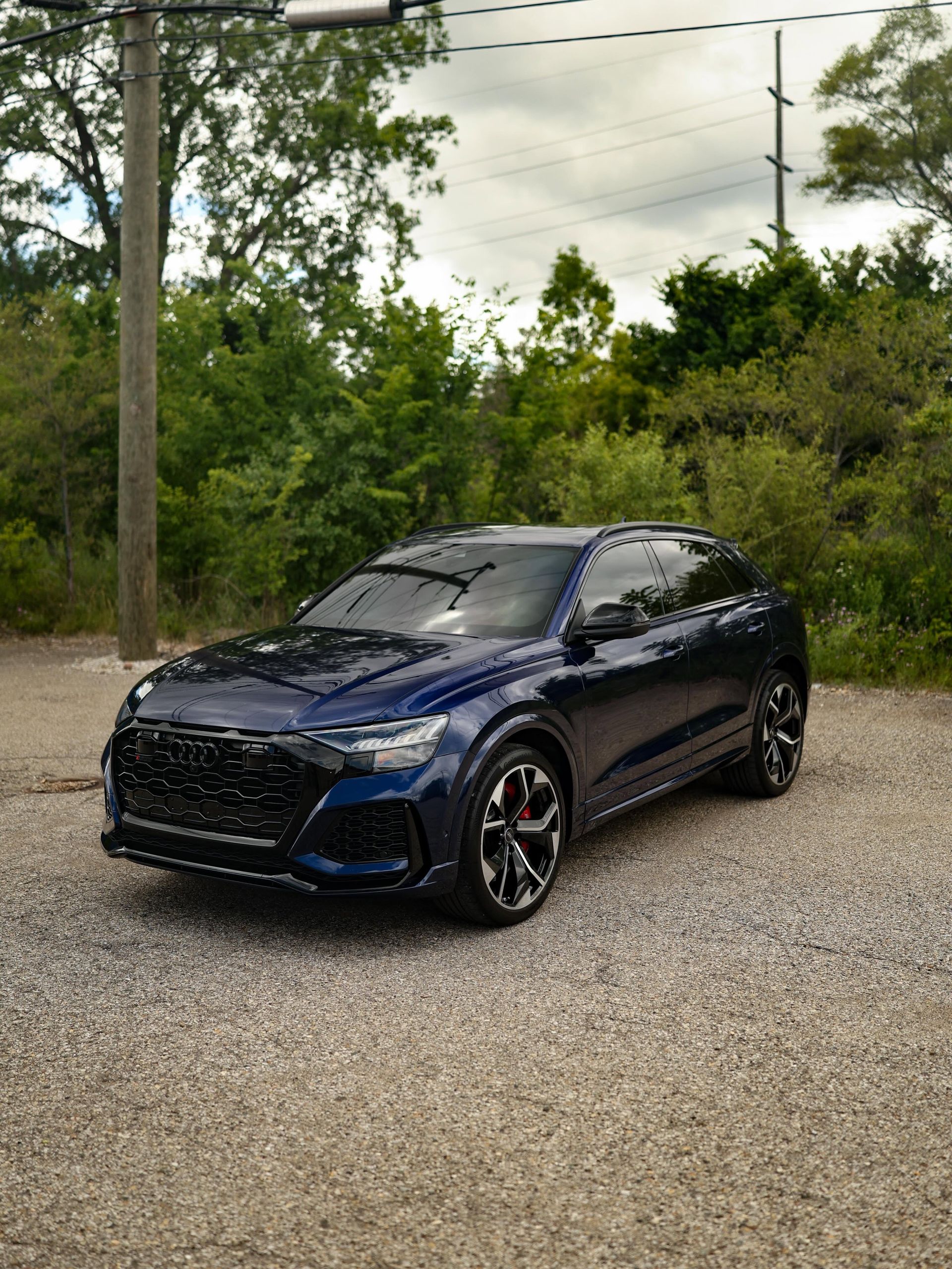
New paint may look flawless at delivery, but it faces road hazards as soon as the vehicle is driven. A single highway trip can expose the bumper, hood, and mirrors to gravel, insects, and loose debris.
Installing PPF early offers several advantages:
- Fewer defects may need correction.
- Factory paint is protected before visible wear develops.
- High-impact panels receive protection during the earliest miles.
- The installation may look cleaner because fewer chips are present.
- Coverage can be selected around the owner's driving conditions.
PPF cannot reverse existing damage. Chips or scratches may remain visible beneath the film unless repaired first. Scheduling an inspection soon after purchase helps determine what preparation is needed.
Does a New Vehicle Need Paint Correction Before PPF?
A new vehicle does not always have perfect paint. Transportation, dealership washing, outdoor storage, and improper drying can leave swirl marks, water spots, adhesive residue, or other imperfections.
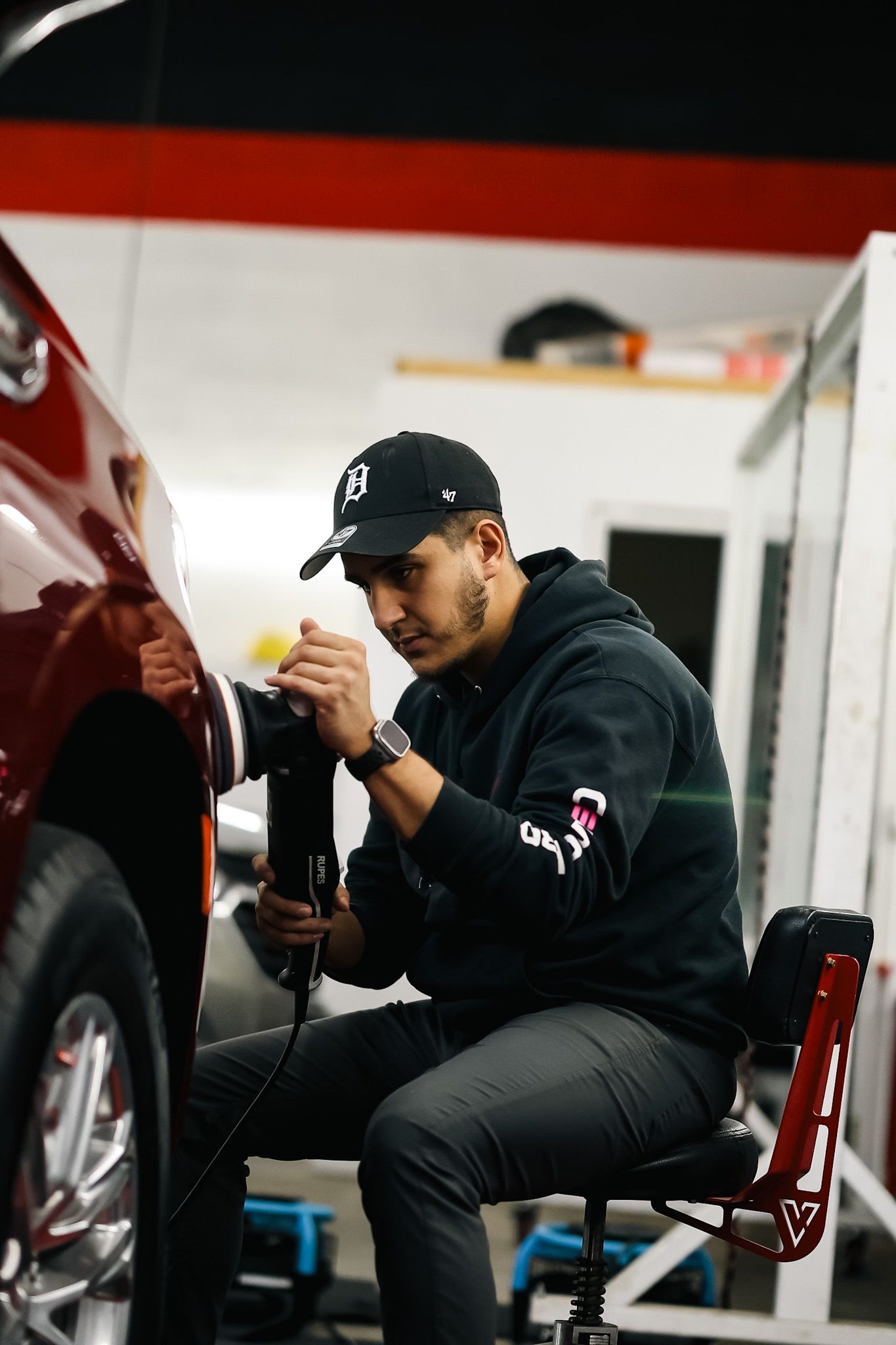
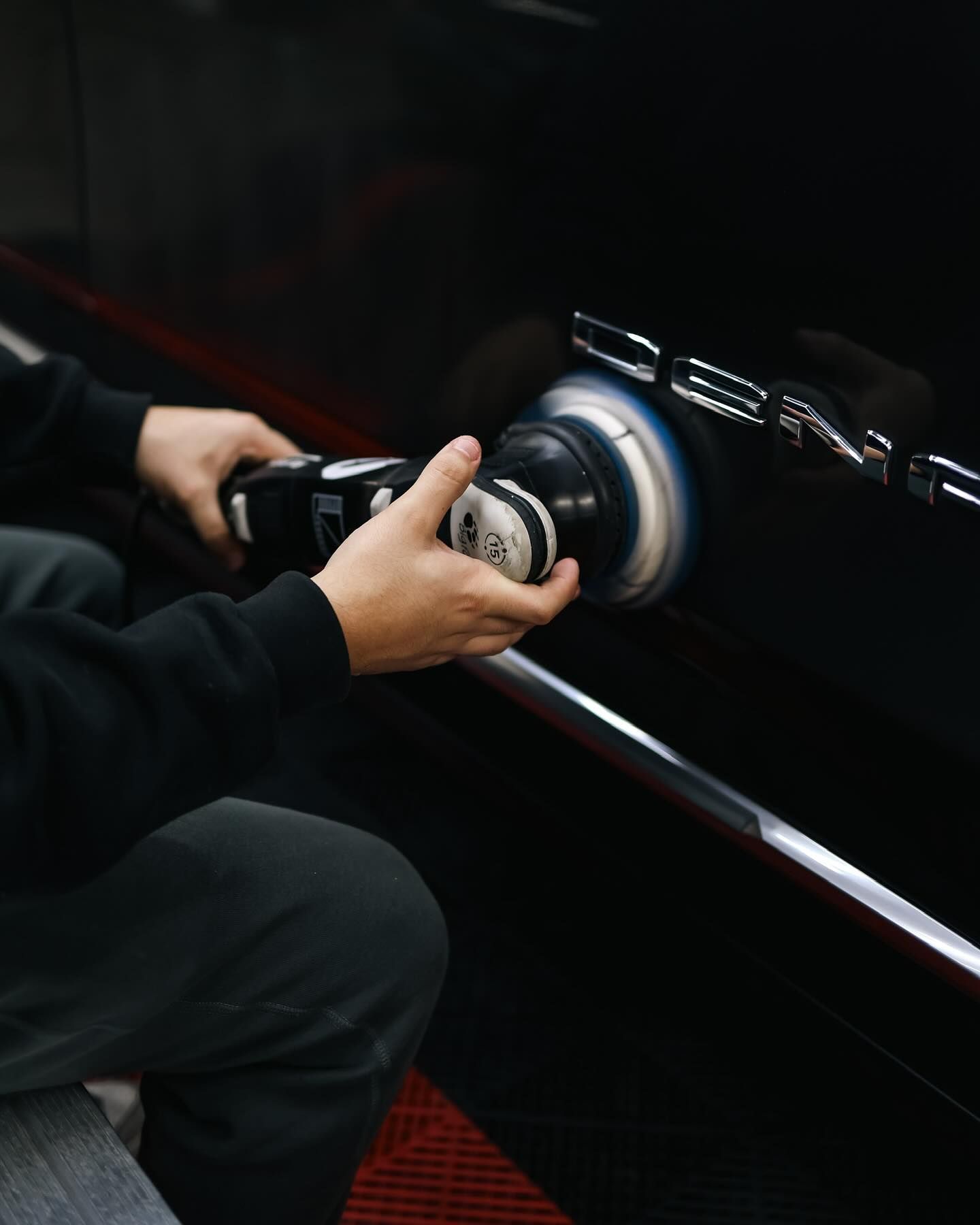
Before installing PPF, a professional should wash, decontaminate, and inspect the paint under proper lighting. Light polishing or paint correction may be recommended when defects would remain visible under the film.
Paint correction is not required for every new car. Preparation should depend on the vehicle's actual condition.
What If the Vehicle Has Been Repainted?
Factory paint and recently repainted panels require different timing. Factory paint on a new vehicle is normally cured during manufacturing. A repaired or repainted panel may need more curing time before film can be applied.
The waiting period depends on the paint system, repair process, shop conditions, and paint manufacturer's instructions. Do not rely on a universal 30-day or 60-day rule.
Ask the body shop or painter to confirm when the finish is ready for PPF. Orozco's Auto Detailing can inspect the surface, but the painter's curing guidance should remain the primary reference for refinished panels.
Should You Wait for Better Weather?
You do not need to wait for a specific season when PPF is installed in a clean, controlled professional environment. Shop temperature, lighting, surface preparation, and contamination control matter more than the outdoor forecast.
Seasonal driving conditions still affect how soon protection becomes valuable. Metro Detroit winters expose vehicles to salt, slush, and loose road material. Warmer months bring construction debris, insects, tree sap, and more highway travel.
If you are buying before winter or planning a road trip, schedule PPF before that exposure.
Professional PPF Installation vs. DIY Kits
DIY kits may reduce the initial price, but installation requires accurate alignment, controlled stretching, careful edge work, and a clean environment. Dust, trapped air, uneven seams, and overstretched film can affect appearance and durability.
Modern vehicles have complex bumpers, sensors, trim, and curved panels. Professional installers understand how to position film around these areas while reducing visible edges.
Orozco's Auto Detailing installs Opticle Defense Paint Protection Film in clear and matte options. Its self-healing top layer helps reduce the appearance of light marks in the film. Coverage can be matched to daily commuters, highway drivers, and owners seeking full-body protection.
How Should You Schedule PPF for a New Vehicle?
Contact the Installer Before Delivery
Request a quote while the vehicle is still at the dealership when possible. Provide the year, make, model, color, expected delivery date, and preferred coverage.
Limit Unnecessary Driving
Every mile creates additional exposure. Do not delay PPF for a routine service milestone that has no connection to paint protection.
Avoid Dealer-Applied Paint Products
Ask the dealership not to apply wax, sealant, or another paint protection product unless you have discussed it with your installer. These products may need to be removed during preparation.
Schedule a Paint Inspection
The installer should check for chips, swirl marks, contamination, and repainted panels. This determines whether polishing or correction is appropriate.
Choose Coverage Based on Risk
Consider mileage, highway use, parking conditions, Michigan weather, ownership plans, and budget. Prioritize the panels most likely to face impacts.
Can PPF and Ceramic Coating Be Combined?
Yes. PPF and ceramic coating address different needs.
PPF provides a physical barrier for areas exposed to rock chips and minor impacts. Ceramic coating creates a hydrophobic surface that can improve gloss and make routine cleaning easier. Ceramic coating does not replace PPF where protection from physical road debris is the priority.
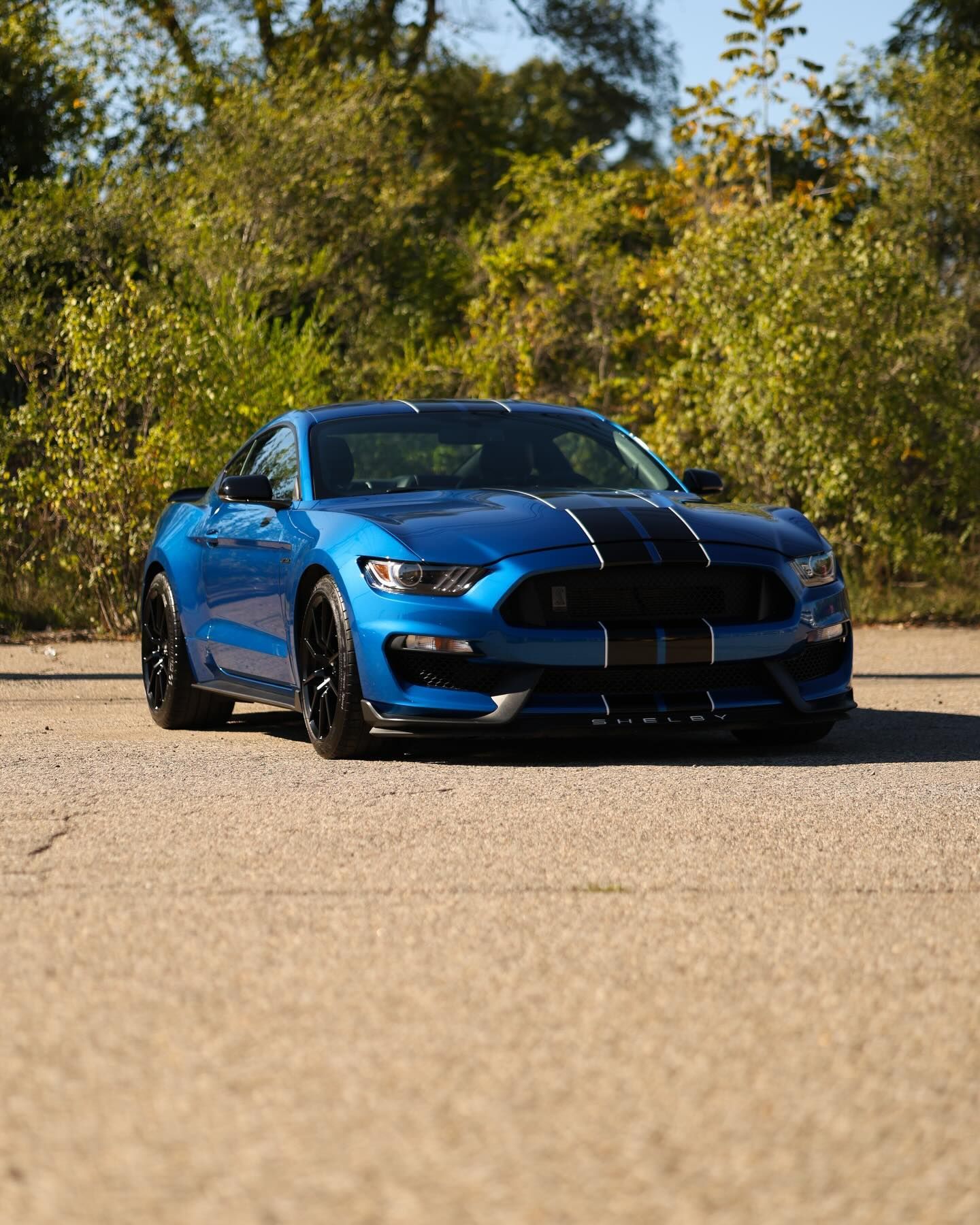
Orozco's Auto Detailing offers new vehicle protection options that combine paint preparation, PPF on high-impact areas, and ceramic coating on exterior surfaces. This approach can provide impact protection and easier maintenance.
Frequently Asked Questions
Can PPF Be Installed the Same Day I Buy a Car?
It may be possible when the appointment is arranged in advance and the vehicle passes inspection. The installer still needs time for preparation, installation, and initial film settling.
Is It Too Late If My New Car Already Has a Few Miles?
No. Mileage alone does not determine whether PPF can be installed. Paint condition matters more. An inspection can identify chips, contamination, or correction needs.
Will PPF Hide Existing Scratches?
PPF may make some very light marks less noticeable, but it should not be used to hide damaged paint. Visible defects should be evaluated before installation.
How Long Does Professional PPF Last?
Film life depends on product quality, installation, exposure, and maintenance. Review the product warranty and care instructions before booking.
Protect Your New Vehicle Before Damage Starts
The right time to install PPF on a new car is before regular driving leaves permanent evidence on the paint. Early planning gives you more coverage options, reduces the chance of sealing in defects, and helps preserve the factory finish.
Orozco's Auto Detailing provides professional PPF installation for drivers in Lincoln Park, Allen Park, Dearborn, Taylor, and surrounding Metro Detroit communities. Call
(313) 888-3822 or
request a quote online to discuss the right paint protection film package for your new vehicle.
SHARE WITH YOUR FRIENDS