What Causes Air Pockets or Silver Spots Under Paint Protection Film?
Paint protection film (PPF) is designed to create a nearly invisible protective layer over your vehicle’s paint. So when you notice small bubbles, air pockets, or silver-looking areas under newly installed PPF, it is natural to wonder if something went wrong.
In most cases, these spots are part of the normal paint protection film curing process and will disappear as trapped installation fluid evaporates. However, some bubbles or imperfections can indicate contamination, installation issues, or areas that need professional inspection.
Understanding the difference between normal curing and actual PPF problems can help you protect your investment and avoid unnecessary concerns after installation.
At Orozco's Auto Detailing, we help vehicle owners throughout Lincoln Park and surrounding Downriver communities maintain their vehicles with professional paint protection film installation, ceramic coating services, and paint preparation solutions designed to protect long-term appearance.
Why Does Paint Protection Film Develop Bubbles or Silver Areas?
Small air pockets and silver-looking areas under PPF typically happen because of three main causes:
- Trapped installation fluid
- Contaminants underneath the film
- Uneven application pressure during installation
The first cause is usually temporary and resolves during the curing process. The other two may require attention from a professional installer.
Trapped Installation Fluid During the PPF Curing Process
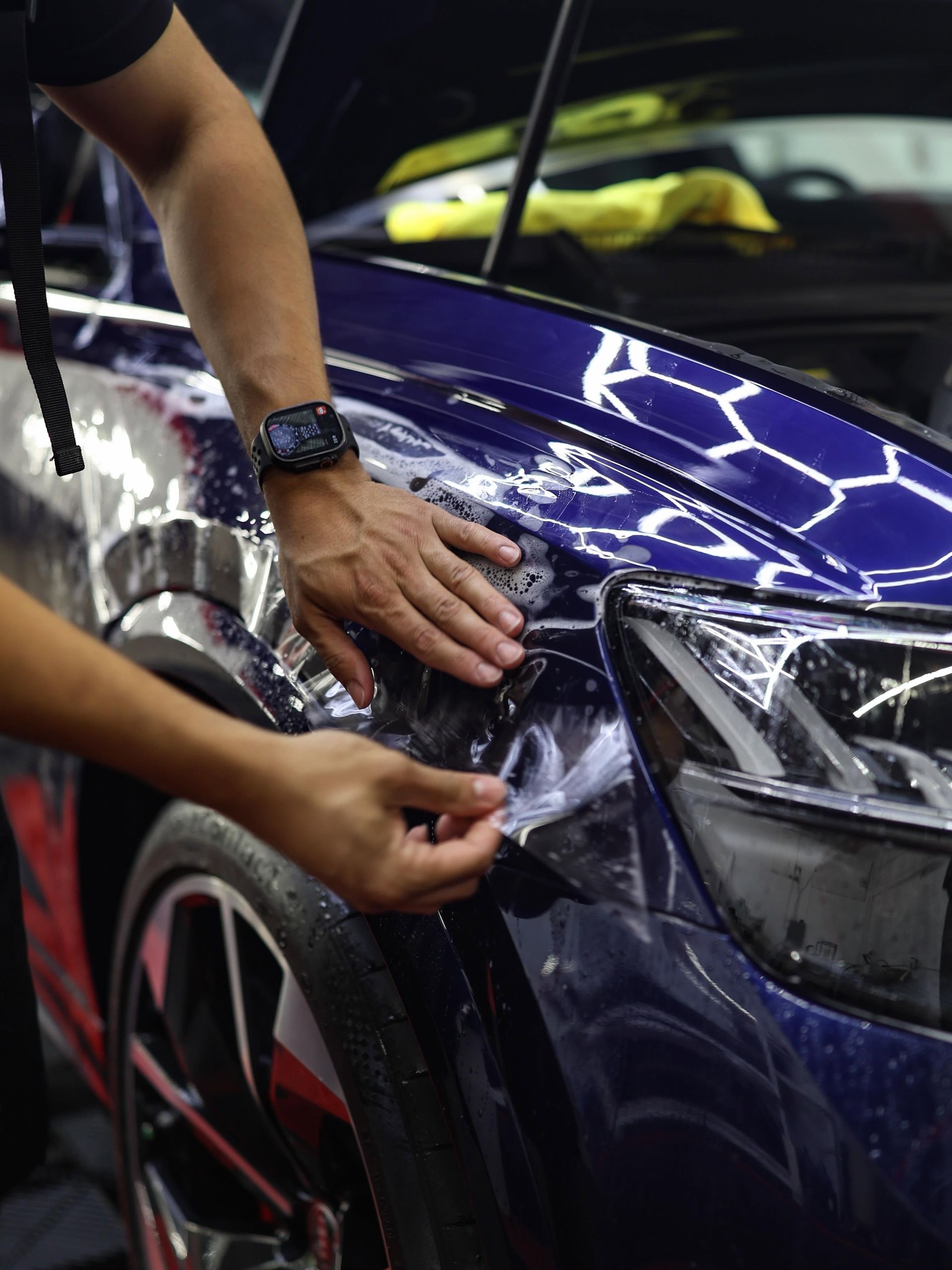
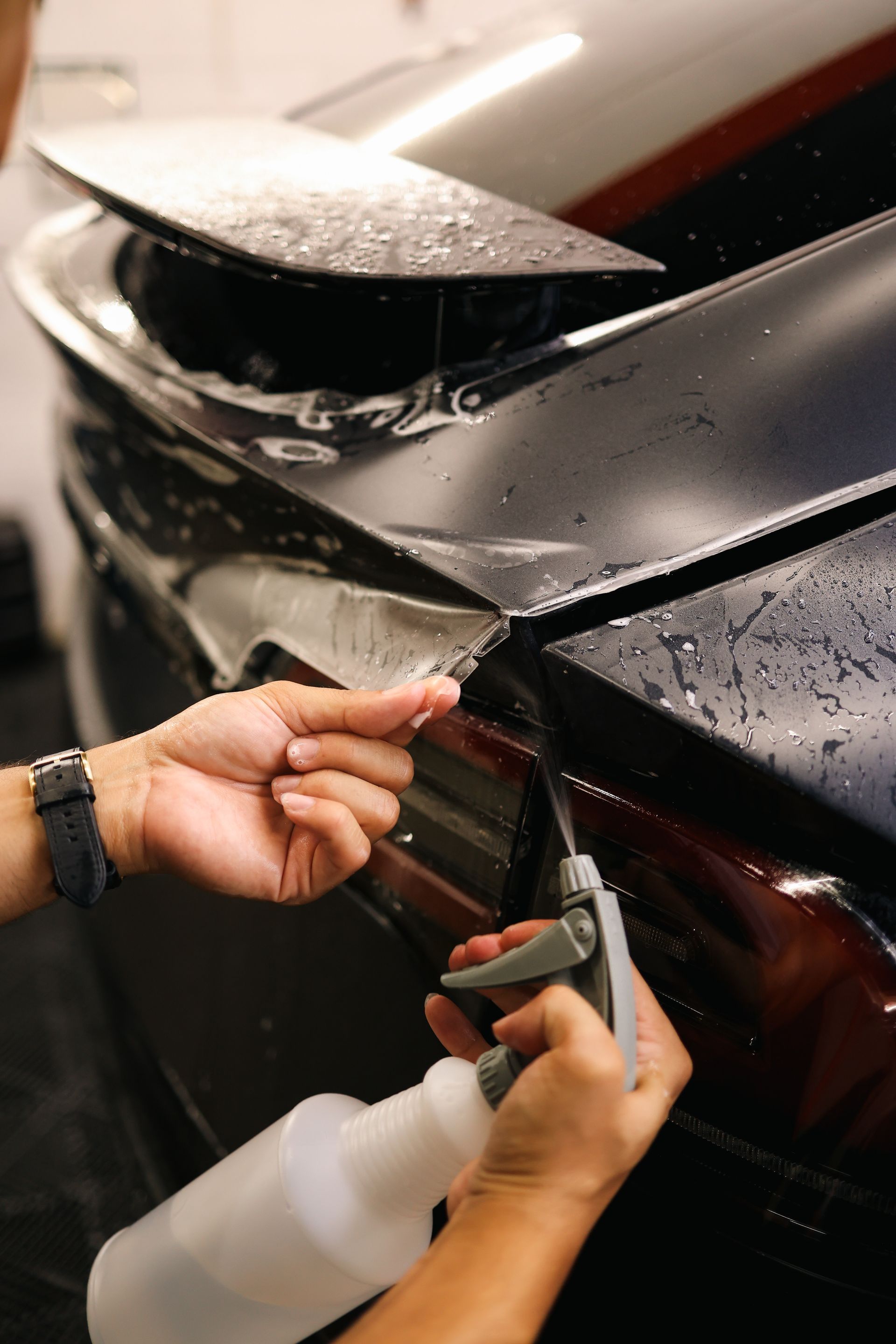
During a professional paint protection film installation, installers use a slip solution that allows the film to be positioned correctly on the vehicle’s surface. This solution helps create accurate placement around curves, edges, and body panels.
After installation, a small amount of moisture may remain beneath the film. As the solution slowly evaporates, it can create a cloudy, silver, or hazy appearance.
This is a normal part of the curing process and does not necessarily mean the installation has failed. In many cases, these areas gradually become clearer within several days as the film bonds properly with the paint.
Weather conditions can also affect curing time. In Michigan, colder temperatures and higher humidity levels can slow evaporation, meaning a vehicle picked up during winter may take longer to fully clear compared to one installed during warmer months.
Dust, Dirt, and Contamination Under PPF
A clean surface is one of the most important factors in achieving a successful paint protection film installation. Anything left on the paint before the film is applied can become trapped underneath permanently.
Common contaminants include:
- Dust particles
- Lint
- Wax or polish residue
- Road grime
- Oils from hands or tools
These small particles may not be noticeable on exposed paint, but they become much more visible once covered by a clear protective layer. Contamination can create visible spots, raised areas, or small air pockets around the trapped material.
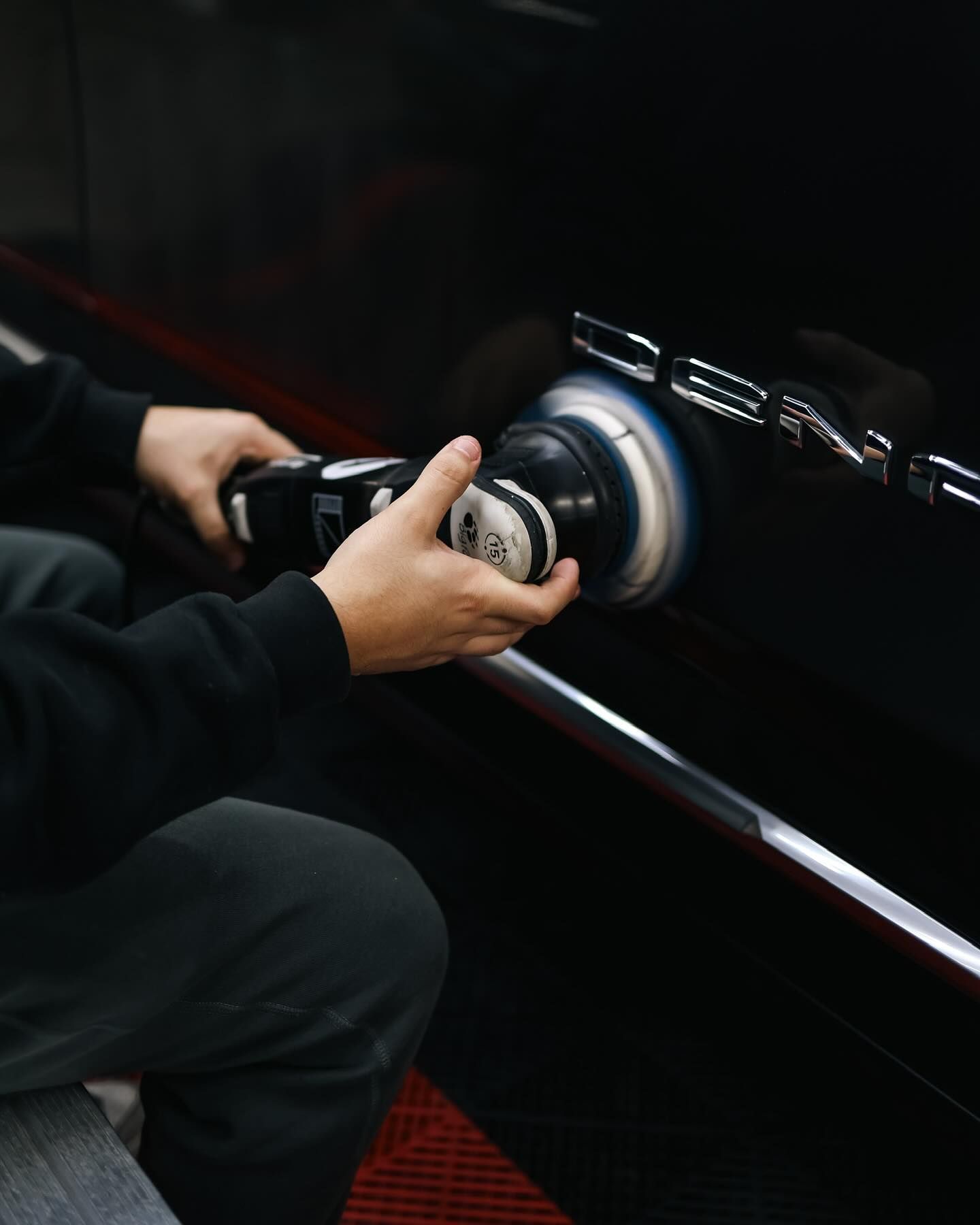
This is why proper preparation matters. A professional installation includes washing, decontaminating, and carefully preparing the surface before the film is applied. For vehicles with existing imperfections, paint correction may also be recommended before PPF installation to help create the cleanest possible finish underneath the film.
Uneven Pressure During Paint Protection Film Installation
PPF installation requires experience, precision, and careful attention to detail. The film must be stretched and positioned correctly around complex areas such as bumpers, mirrors, fender arches, and body lines.
If installation pressure is uneven or installation fluid is not fully removed from a specific area, small pockets can remain underneath the film.
These issues are more likely to appear around:
- Vehicle edges
- Seams
- Curved panels
- Tight body contours
Unlike temporary installation fluid, these types of defects may not disappear on their own and should be inspected by a professional installer.
How to Tell If PPF Bubbles Are Normal or a Problem
After a paint protection film installation, it is important to allow the material time to cure before making a final judgment.
Signs of normal curing include:
- Hazy areas becoming smaller each day
- Cloudiness gradually disappearing
- Small moisture pockets fading within the first week
Signs that may require professional inspection include:
- A bubble with a defined edge that remains unchanged after several days
- Visible dirt or debris trapped under the film
- Film lifting or curling around edges
- Areas that continue to grow or become more noticeable
Most minor concerns during the first 48 hours are simply part of the curing process. However, if something does not improve, contacting your installer is the best next step.
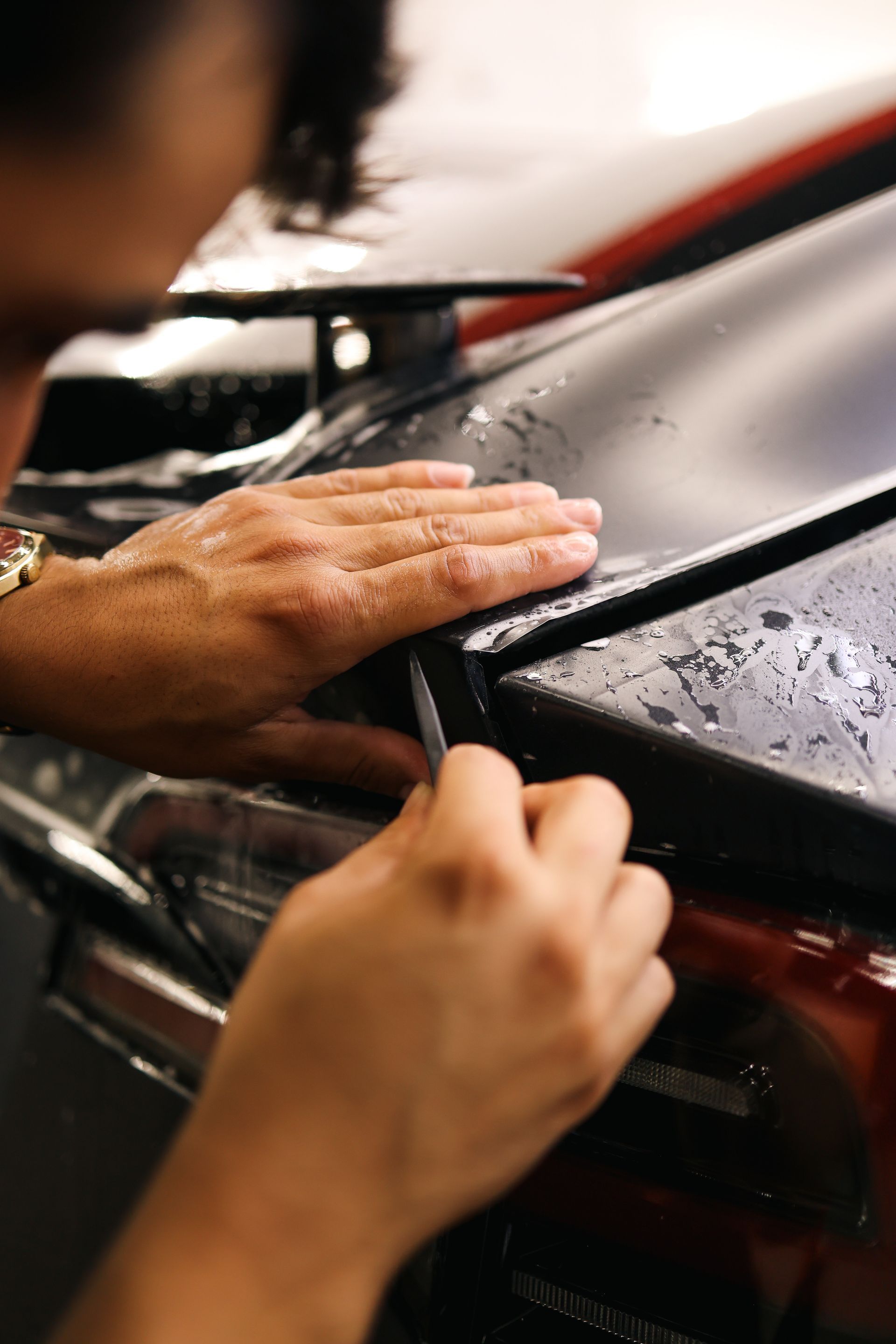
What Not to Do After Seeing PPF Bubbles
Trying to fix paint protection film issues yourself can create more damage. Avoid pressing bubbles with objects, cutting the film, using sharp tools, or applying excessive heat.
DIY repairs can stretch the film, damage the adhesive, create scratches, or cause the film to require replacement.
If you notice an issue after installation, bring your vehicle back to your installer for evaluation. A professional can determine whether the area is still curing or whether correction is needed.
How Orozco's Auto Detailing Prevents PPF Installation Issues
At Orozco's Auto Detailing, our paint protection film installations are completed by our in-house team at our Lincoln Park location. We focus on proper preparation, controlled installation conditions, and careful application techniques to help deliver long-lasting results.
We install Opticle Defense paint protection film options in clear gloss, matte, gloss black, and matte black finishes. These films feature self-healing top layers designed to help reduce the appearance of light surface scratches and swirl marks through heat activation.
Our PPF packages range from partial front protection to full-body coverage, allowing drivers to choose the level of protection that fits their vehicle, driving habits, and budget.
For customers throughout Lincoln Park, Allen Park, Dearborn, Livonia, Woodhaven, Southgate, Taylor, Redford Charter Township, Canton, Plymouth, Flat Rock, and Romulus, we also offer convenient vehicle pickup and drop-off options.
Maintaining Your Paint Protection Film After Installation
Once your PPF has fully cured, proper maintenance helps preserve its appearance and performance.
Recommended care includes:
- Following your installer’s recommended aftercare instructions
- Using pH-neutral automotive soap
- Washing with a soft microfiber mitt
- Avoiding harsh chemicals and abrasive products
- Keeping high-pressure water away from film edges and seams
- Scheduling regular detailing inspections
Many vehicle owners also choose to apply ceramic coating over paint protection film. Ceramic coating can improve hydrophobic performance, making the surface easier to clean while helping protect the film and exposed paint from environmental contaminants.
Schedule a Paint Protection Film Inspection With Orozco's Auto Detailing
If your PPF has air pockets, silver spots, or areas that do not appear to be clearing, Orozco's Auto Detailing can help determine whether the film is still curing or requires professional correction.
Our team provides expert paint protection film installation and vehicle protection services for drivers throughout Lincoln Park and surrounding Michigan communities.
Call Orozco's Auto Detailing at
(313) 888-3822 or
request a quote online to schedule an inspection for your vehicle.
SHARE WITH YOUR FRIENDS