PPF Surface Preparation: Why It Makes or Breaks the Install
When investing in Paint Protection Film (PPF), most vehicle owners focus on the film itself. However, the quality and longevity of a PPF installation depend heavily on what happens before the film is applied. Proper surface preparation creates the clean, smooth foundation necessary for strong adhesion, a seamless appearance, and long-term durability.
At Orozco's Auto Detailing, we have seen how careful preparation directly impacts the final results. Whether you drive a daily commuter, luxury vehicle, or performance car, following the right preparation process helps ensure your PPF performs as intended for years to come.
Why Surface Preparation Matters for PPF
Paint Protection Film is designed to shield your vehicle from rock chips, road debris, bug splatter, and environmental contaminants. For the film to bond correctly, the paint surface must be completely clean and free of imperfections.
Without proper preparation, contaminants trapped beneath the film can cause:
- Air bubbles
- Lifting edges
- Adhesion failure
- Visible imperfections
- Reduced film lifespan
A thorough preparation process helps create a smooth, nearly invisible finish while maximizing the protective benefits of PPF.
Step 1: Thoroughly Wash the Vehicle
The first step in preparing a vehicle for PPF installation is a comprehensive exterior wash.
Start by rinsing the vehicle to remove loose dirt, dust, road salt, pollen, and debris. A pressure washer is ideal, but a hose with a quality spray nozzle can also be effective.
Next, wash the vehicle using a pH-balanced automotive shampoo. Automotive-specific soaps safely remove contaminants without leaving behind residues that could interfere with film adhesion.
To reduce the risk of scratching the paint, use the two-bucket wash method:
- One bucket for clean, soapy water
- One bucket for rinsing the wash mitt
Once the vehicle is clean, dry it completely using high-quality microfiber towels. This helps prevent water spots and ensures the surface is ready for the next stage of preparation.
Step 2: Remove Embedded Contaminants
Even after a thorough wash, microscopic contaminants often remain embedded in the paint.
These contaminants may include:
- Industrial fallout
- Brake dust
- Tree sap residue
- Road tar
- Environmental pollutants
A clay bar treatment is one of the most effective ways to remove these particles. Used with proper lubrication, a clay bar gently lifts contamination from the paint without causing damage.
After claying, many professional installers use iron removers and tar removers to eliminate stubborn contaminants that may not be visible to the naked eye. This additional decontamination step creates an ultra-smooth surface that improves PPF adhesion and appearance.
For vehicle owners throughout Lincoln Park, Dearborn, Allen Park, Taylor, Southgate, and surrounding Metro Detroit communities, this step is especially important due to seasonal road salt, industrial fallout, and daily driving conditions.
Step 3: Perform Paint Correction and Polishing
Once the paint is fully decontaminated, the next step is evaluating the surface for imperfections.
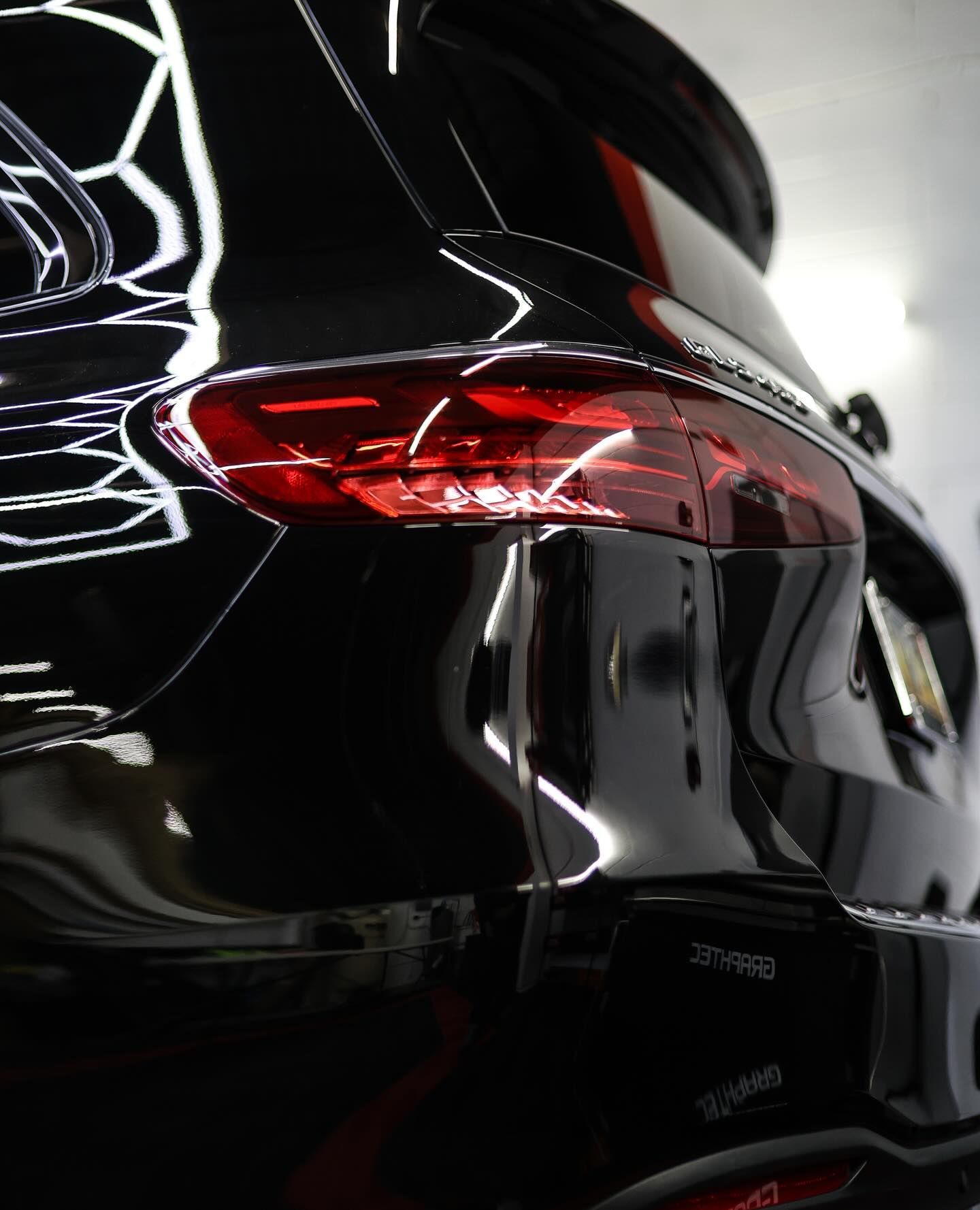
Paint Protection Film can help protect your vehicle, but it does not hide defects. In fact, swirl marks, scratches, and oxidation can become more noticeable after installation if they are not corrected beforehand.
Professional paint correction may address:
- Swirl marks
- Fine scratches
- Oxidation
- Water spot etching
- Surface haze
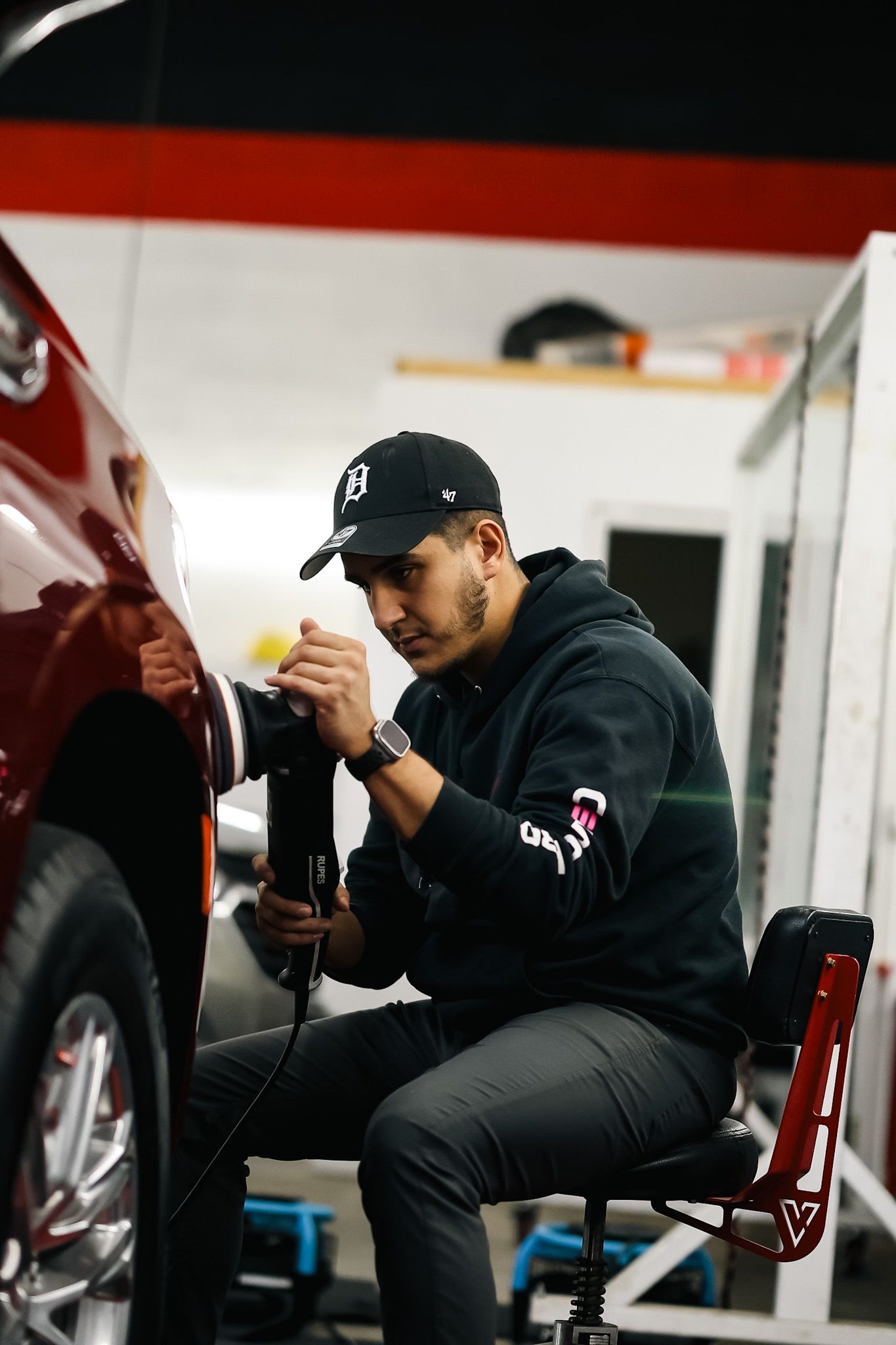
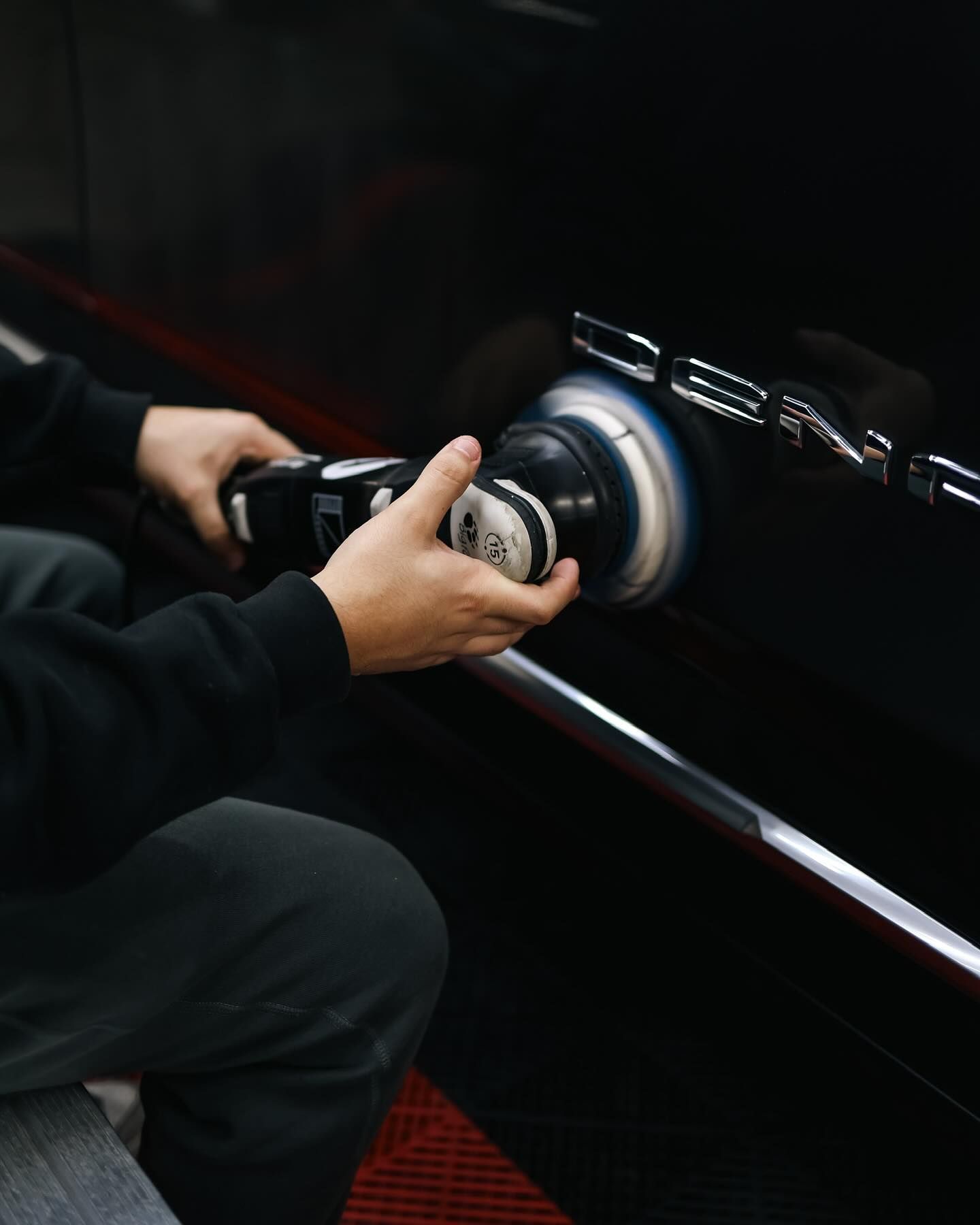
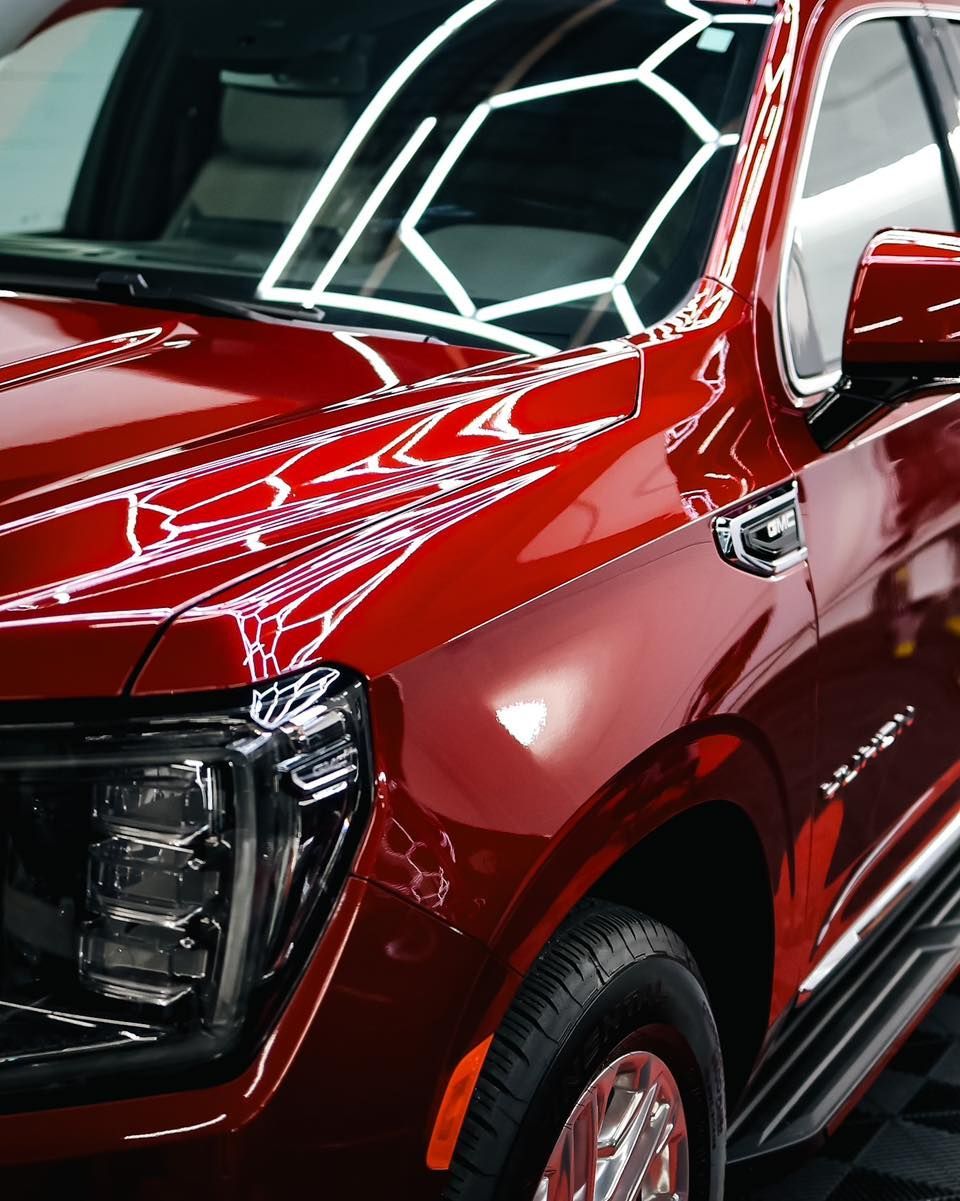
Using the appropriate polishing system, technicians carefully refine the paint to create a smooth, glossy finish. The goal is not aggressive paint removal but rather improving surface clarity while preserving the integrity of the clear coat.
A properly polished surface allows the PPF to sit flush against the paint, creating a cleaner and more visually appealing installation.
Step 4: Final Surface Cleaning and Inspection
Before installation begins, every panel should undergo a final inspection.
A solution of isopropyl alcohol and distilled water is commonly used to remove any remaining polishing oils or residues. This step ensures the adhesive can make direct contact with the paint surface.
During inspection, technicians look for:
- Remaining dust particles
- Water spots
- Residual contamination
- Surface defects
- Edge contamination
Professional lighting helps reveal imperfections that may not be visible under normal conditions.
Any issues identified during this stage should be corrected before film installation begins.
Professional PPF Installation Best Practices
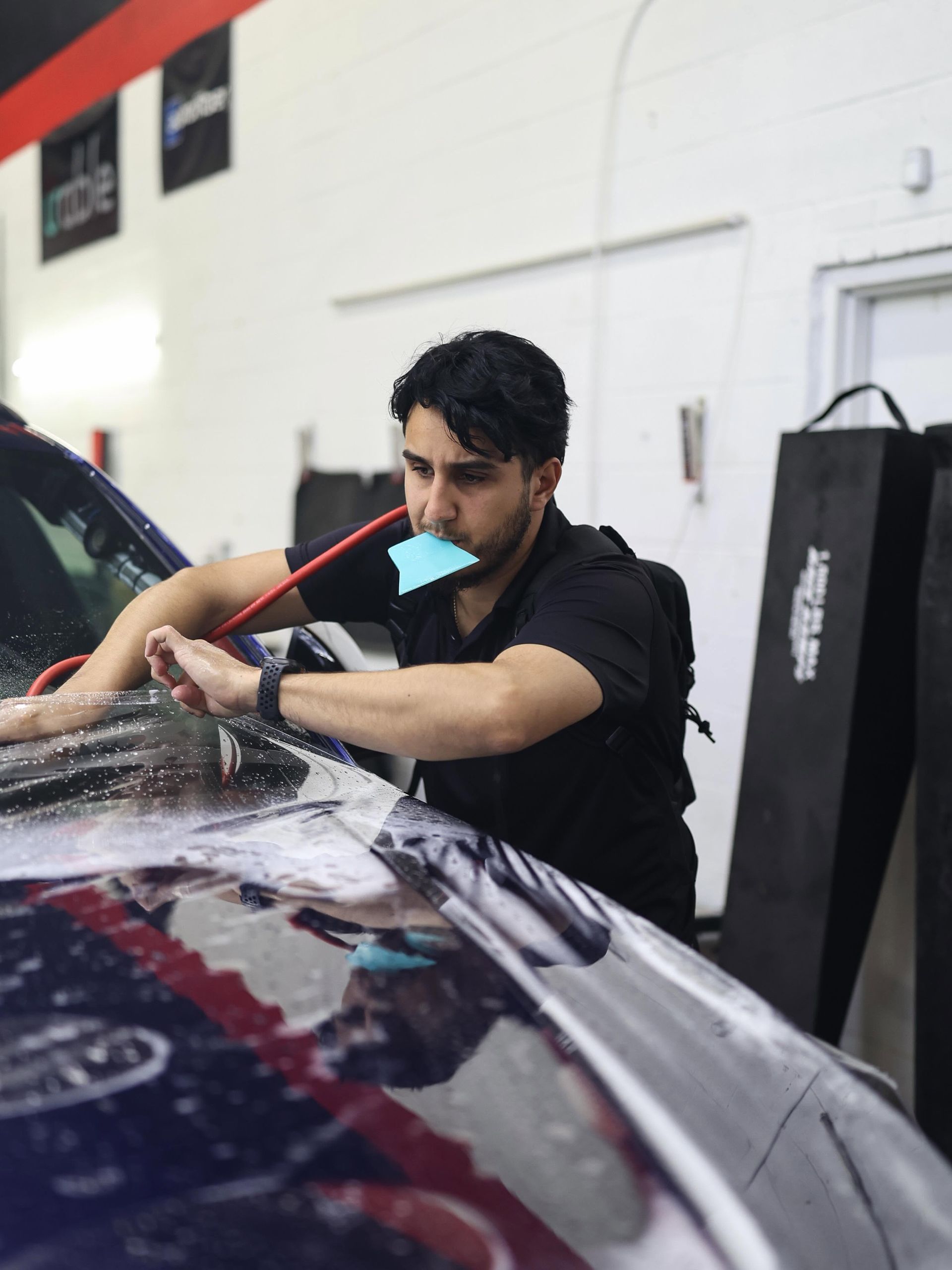
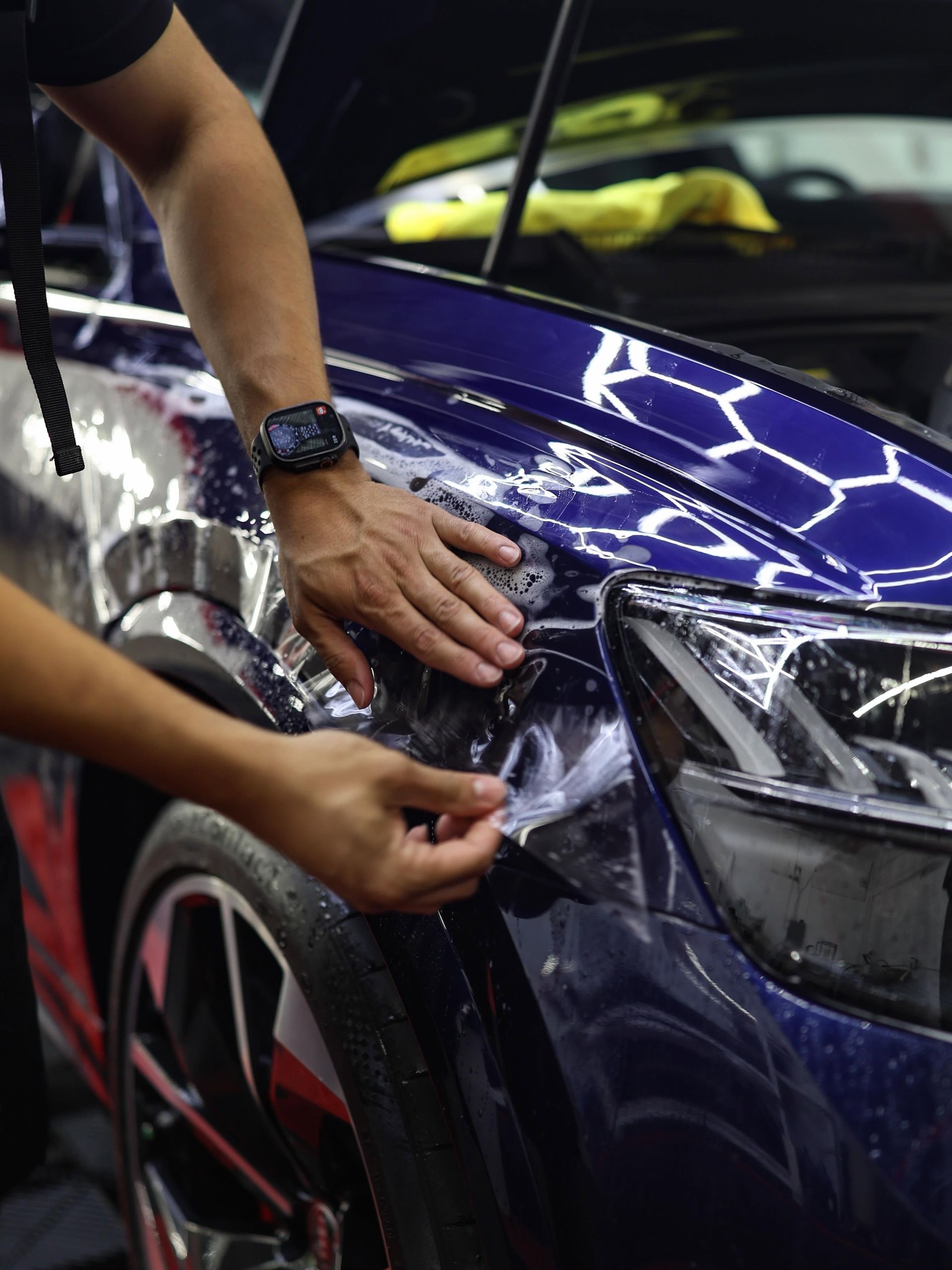
Proper preparation is only part of the process. Installation technique also plays a major role in the final result.
Professional installers focus on:
- Maintaining a clean work environment
- Using manufacturer-approved installation solutions
- Preventing dust contamination
- Proper edge wrapping techniques
- Precise film alignment
- Thorough moisture removal
Attention to detail throughout the installation process helps reduce the risk of lifting, bubbling, and premature failure.
Common PPF Preparation Mistakes
Avoiding common mistakes can significantly improve installation quality and film longevity.
Skipping Decontamination
Even clean-looking paint can contain embedded contaminants that interfere with adhesion.
Over-Polishing the Paint
Excessive paint correction can unnecessarily remove clear coat and compromise long-term paint health.
Incomplete Final Cleaning
Polishing oils, waxes, and residues can prevent proper adhesive bonding.
Rushing the Process
PPF installation is a precision service. Taking shortcuts during preparation often leads to visible defects and reduced durability.
How to Maximize the Lifespan of Your PPF
After installation, regular maintenance helps keep your PPF looking its best.
To extend the life of your film:
- Wash your vehicle regularly using pH-balanced car shampoo
- Avoid abrasive brushes and harsh chemicals
- Remove contaminants promptly
- Inspect edges periodically
- Follow your installer's maintenance recommendations
Consistent care helps preserve clarity, gloss, and protection for years to come.
Frequently Asked Questions
Do I need paint correction before PPF installation?
Not always, but correcting visible imperfections before installation helps create a smoother and more attractive final appearance.
Can PPF be installed over ceramic coating?
Most manufacturers recommend installing PPF before applying ceramic coating. Ceramic coatings can interfere with film adhesion if applied first.
How long does PPF surface preparation take?
Preparation time depends on the vehicle's condition. A thorough wash, decontamination, paint correction, and final inspection can take several hours before installation begins.
What happens if contaminants are trapped under PPF?
Contaminants can create visible defects, reduce adhesion, and affect the overall appearance of the installation.
Schedule Professional PPF Installation in Lincoln Park, MI
A flawless Paint Protection Film installation starts long before the film touches your vehicle. Proper washing, decontamination, paint correction, and final inspection all contribute to stronger adhesion, better appearance, and longer-lasting protection.
At Orozco's Auto Detailing, we provide professional PPF installation, paint correction, ceramic coating, and vehicle protection services for customers throughout Lincoln Park, Allen Park, Dearborn, Livonia, Taylor, Southgate, Canton, Plymouth, Flat Rock, Romulus, and surrounding communities.
today to schedule a consultation and learn how professional PPF preparation can help protect your vehicle's finish for years to come.
SHARE WITH YOUR FRIENDS