Ceramic Coating and PPF Layering Failures: Common Installation Mistakes and Correct Order Guide
Protecting your car’s paint isn’t just about applying a film or coating. The order and method of applying these layers make all the difference. Many car owners don’t realize that applying
ceramic coating and
Paint Protection Film (PPF) in the wrong sequence can lead to issues like peeling edges, streaks, or reduced durability. At
Orozco's Auto Detailing, we've seen firsthand how getting the layering process right not only prevents headaches but also keeps your car looking great for longer. Let’s dive into why the layering process matters so much and how to do it correctly for the best results.
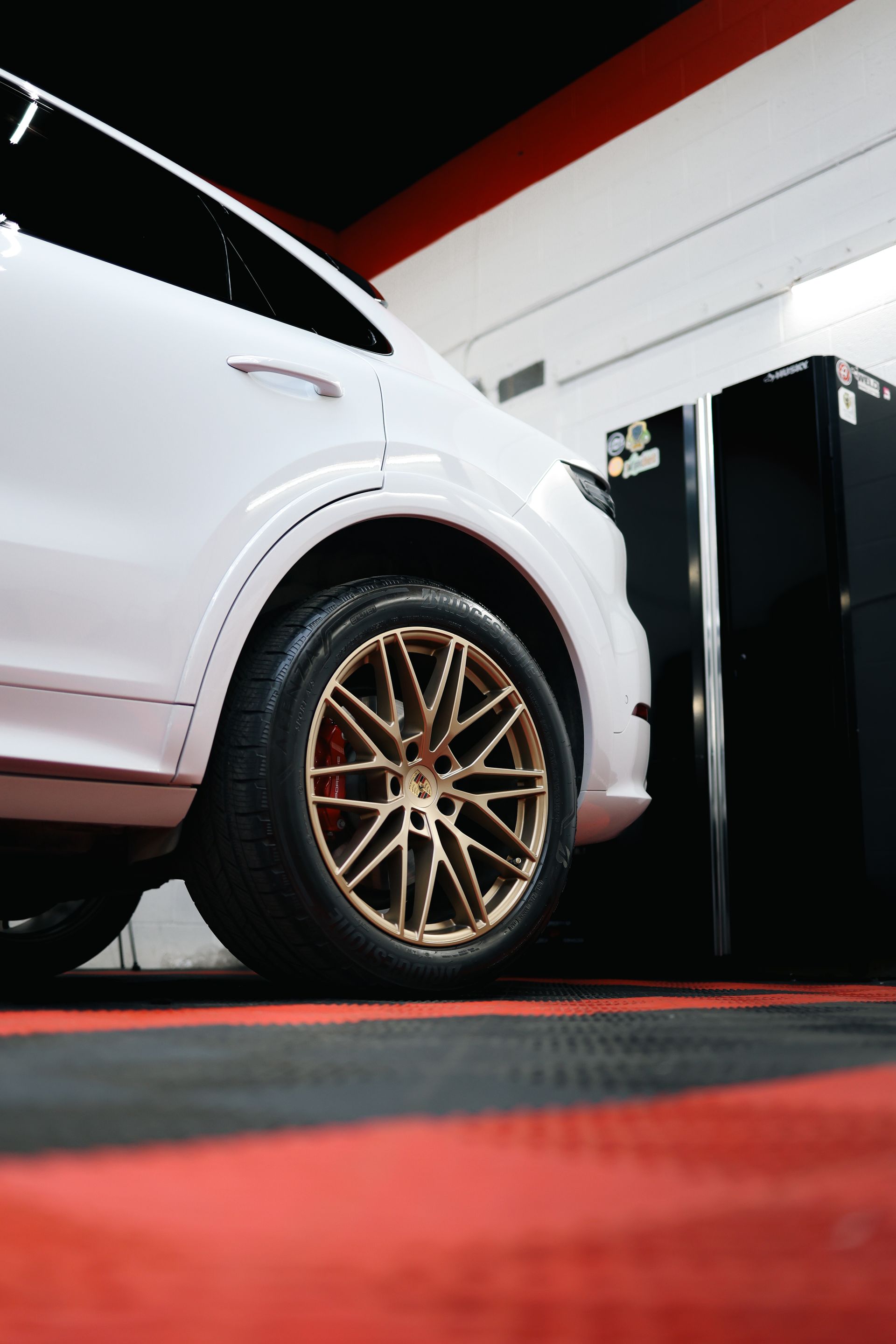
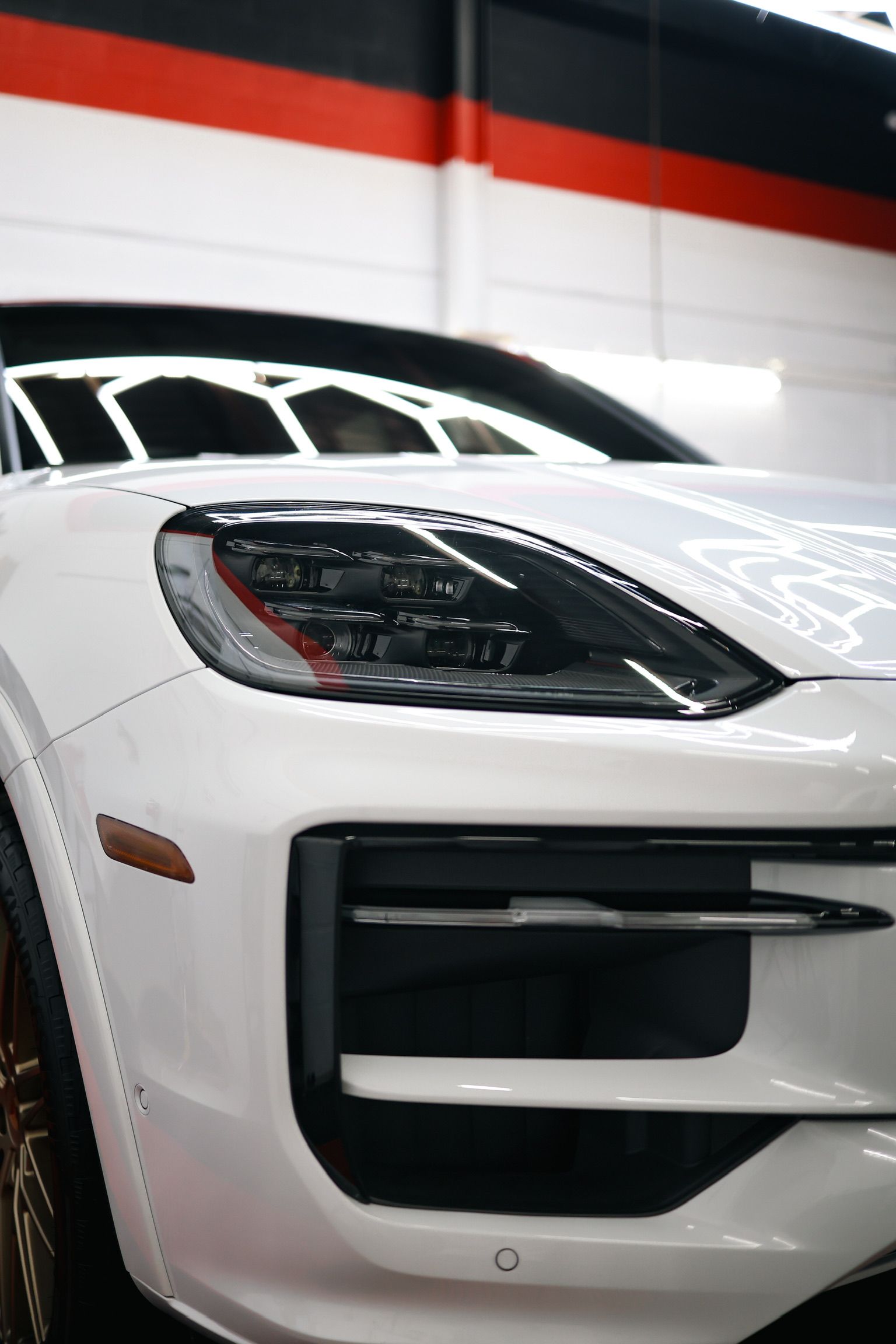
Common Mistakes in Ceramic Coating and PPF Layering
1. Incorrect Layering Order
One of the most common mistakes is applying ceramic coating before installing PPF. This error often leads to poor adhesion, which can cause peeling or other issues. Think of it as painting a wall and then trying to hang wallpaper before the paint has fully dried—the two just won’t stick together as they should.
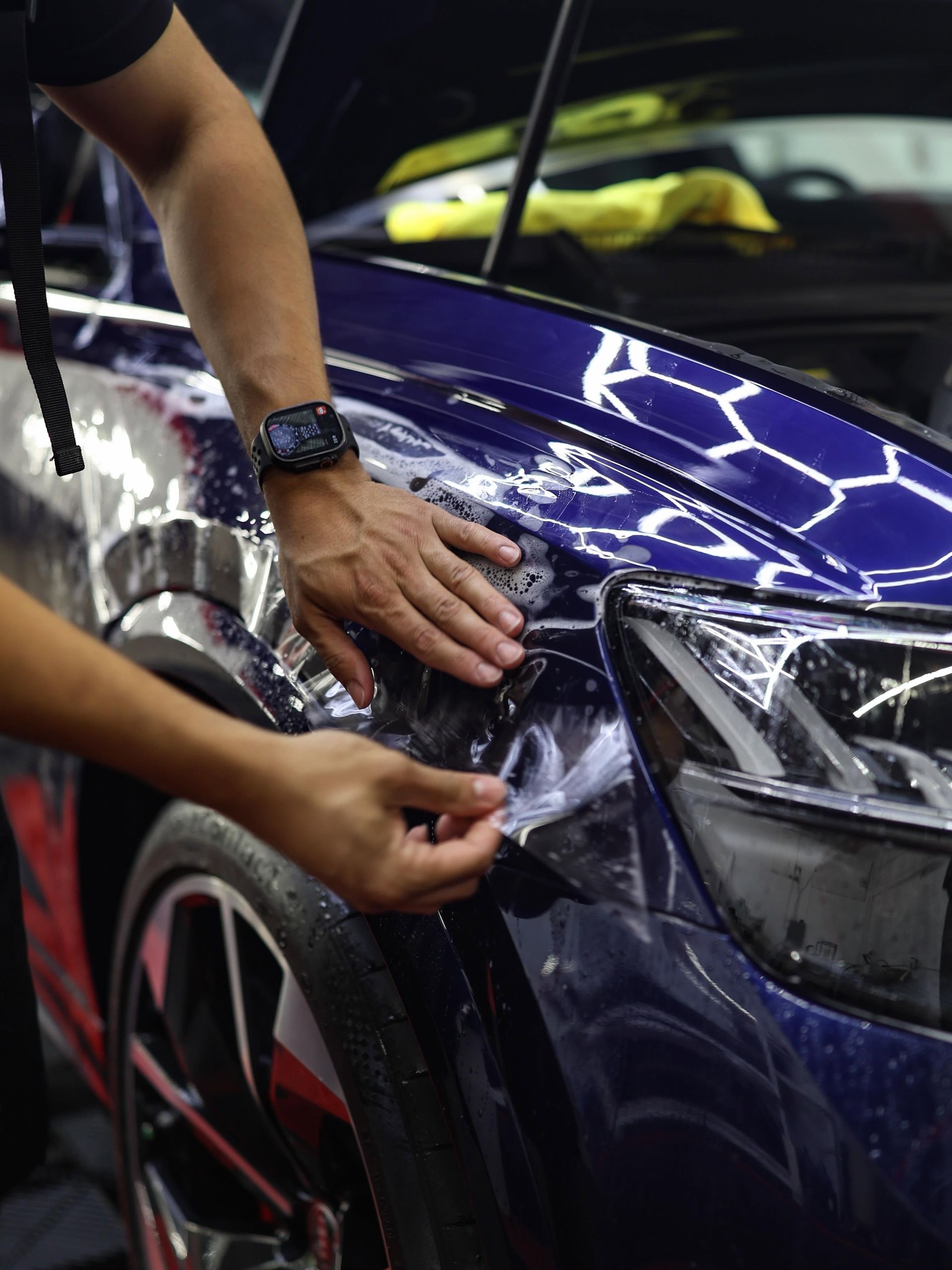
The correct approach is to apply PPF first. This creates a protective shield against rock chips, scratches, and other damage. After the PPF has cured, apply the ceramic coating over both the exposed paint and the PPF. This ensures proper adhesion and optimal protection and avoids issues like edge lifting.
2. Skipping Paint Correction
Another mistake is skipping paint correction before applying either protective layer. Paint correction is essential because sealing in imperfections like swirl marks or scratches can make the problem worse once covered by PPF or ceramic coating. Imagine placing a clear glass pane over a scratched table—you’ll still see every imperfection beneath.
For example, a customer brought their black sports car for protection but had their coating applied directly onto untreated paint. They later noticed glaring swirl marks under sunlight. Proper paint correction not only enhances appearance but also ensures a flawless surface for coatings to bond to, improving longevity and aesthetics.
3. Rushing Cure Times
While advances in products may promise faster drying and curing times, it’s essential to stick to recommended cure durations for both ceramic coatings and PPF adhesives. Skipping or shortening the cure time risks trapping streaks, weakening bonds, or causing premature wear. It’s tempting to rush through installation, but taking the time to cure each layer properly leads to durable results and fewer callbacks.
Signs of Poor Application
When ceramic coating or PPF is applied incorrectly, the damage often starts subtly but becomes more noticeable over time. One of the most common signs is edge lifting, where the protective film begins peeling away at the corners or edges of the panel. This typically results from inadequate surface preparation or incorrect film positioning. It can spoil the sleek appearance of your vehicle and expose your paint to environmental hazards.
Another visible indicator of poor application is streaks or smudges. These imperfections often arise from rushed curing processes or from applying too thick or too thin a layer of coating. Instead of a smooth, glossy finish, these mistakes can cause blotches and patches that attract dirt and grime, leading to faster wear and obscuring the paint’s natural brilliance.
Other signs include bubbles or air pockets trapped beneath the film. These blisters indicate improper adhesion, often caused by dust particles or moisture on the surface during application. Left unaddressed, these bubbles can expand and even tear, compromising the paint’s integrity.
Another performance issue to watch out for is poor water behavior. Ceramic coatings are known for their hydrophobic properties, meaning water should bead up and roll off easily. If water lingers in sheets instead of forming beads, or leaves spots after drying, it signals that the coating isn’t performing correctly. This can lead to contaminants like dirt, road salts, and bird droppings sticking more easily, increasing the risk of corrosion.
Steps to Repair Faulty Layering
If you've encountered issues with your ceramic coating or PPF, the first step in repair is carefully removing the problematic layers. This requires controlled methods to avoid damaging your car’s paint. Using a gentle solvent like isopropyl alcohol can dissolve residues and adhesive bonds without harming the finish. Be sure to apply these substances sparingly and test them on small areas before applying them to larger sections.
Once the damaged layers are removed, focus on restoring the paint surface before reapplying. Proper surface preparation is crucial. Begin by washing the car to remove contaminants. Then, use a clay bar treatment to remove particles that normal washing can’t. This ensures that no invisible grit remains on the surface, which could cause imperfections under the new layers.
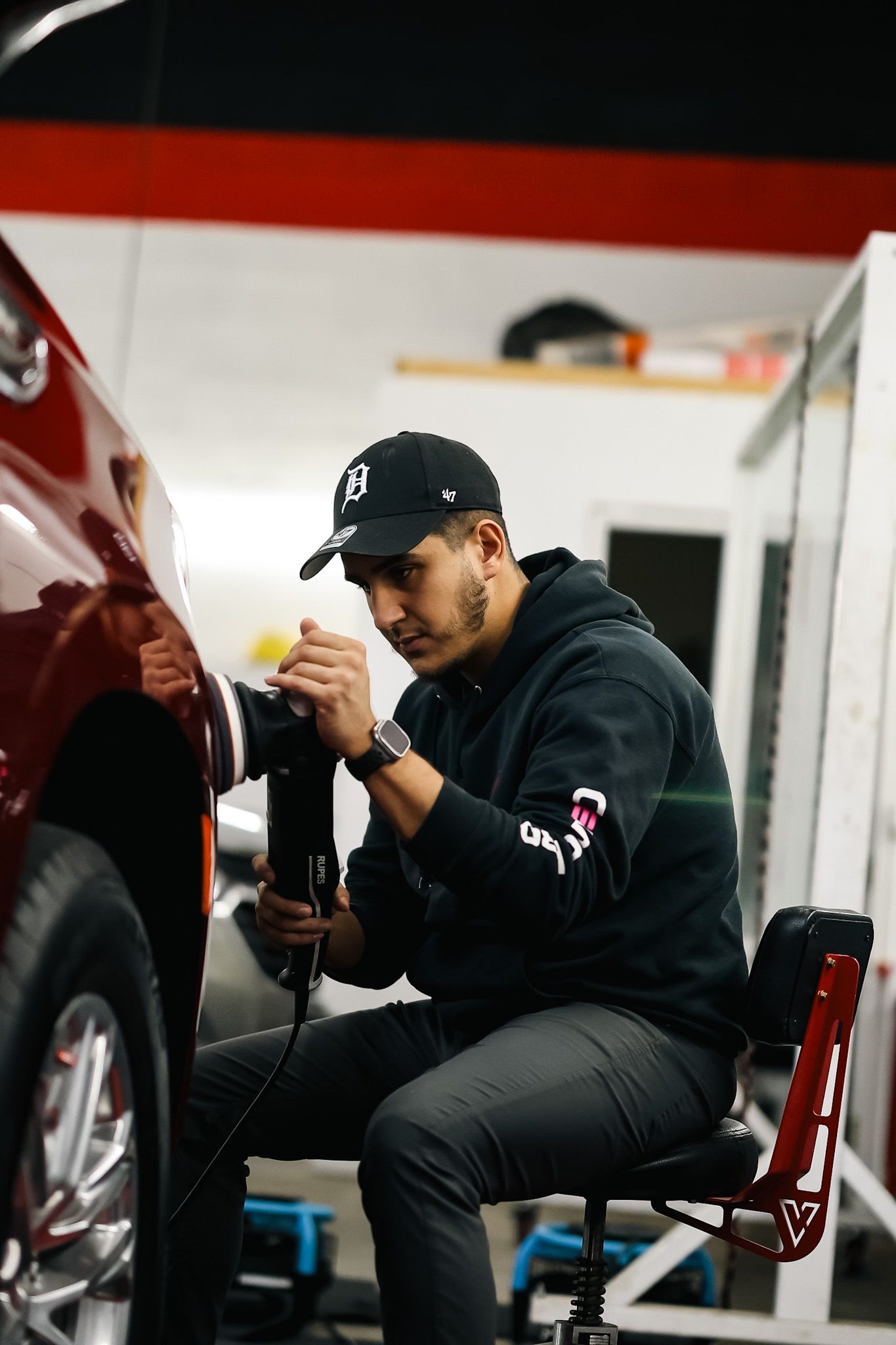
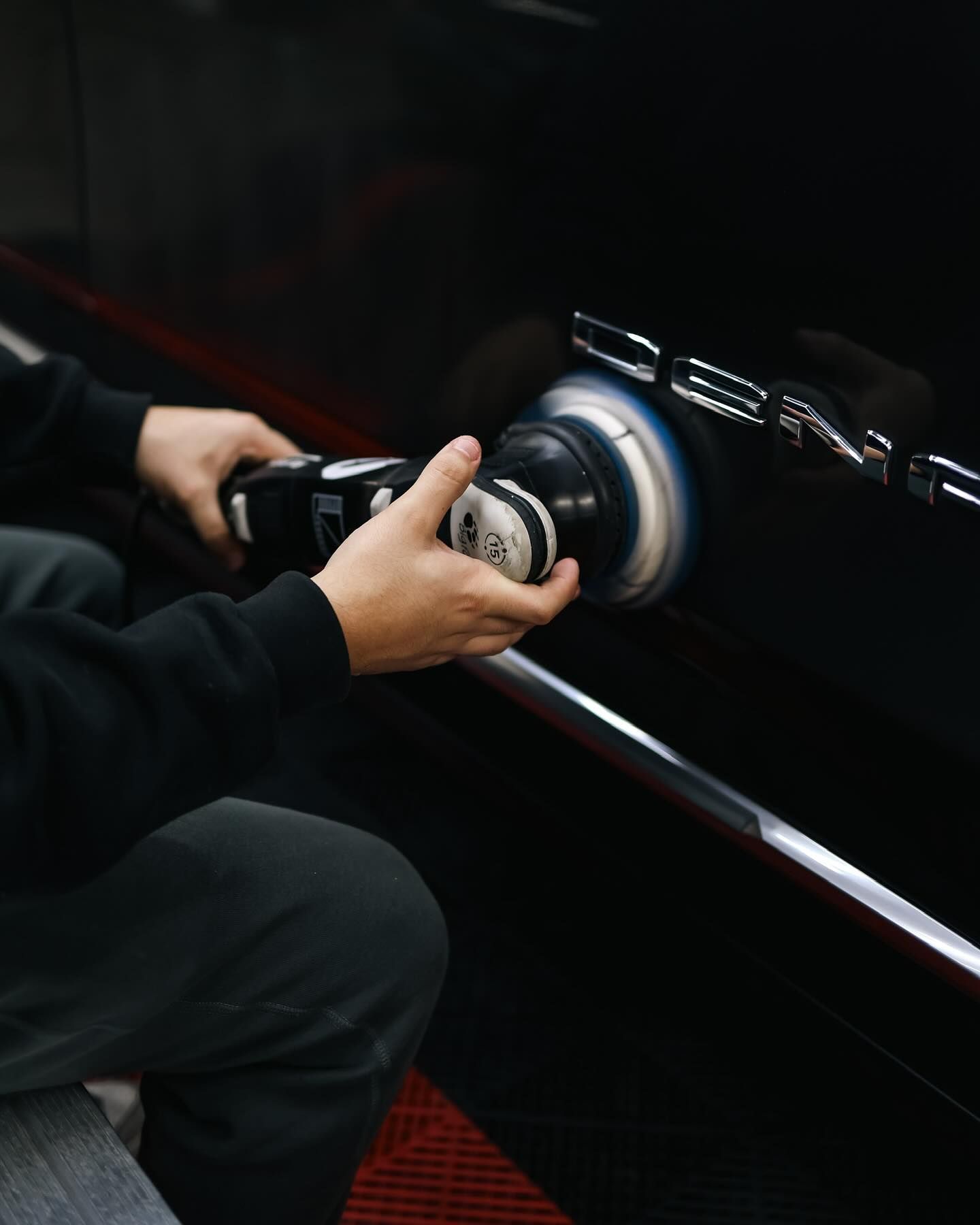
Next, polish the surface. This step helps remove minor scratches or etching and primes the surface for better bonding with the new protective layers. However, be cautious—polishing too aggressively can reduce the thickness of the clear coat, which could harm the paint’s long-term health. Striking the right balance ensures smooth adhesion without sacrificing the car's appearance.
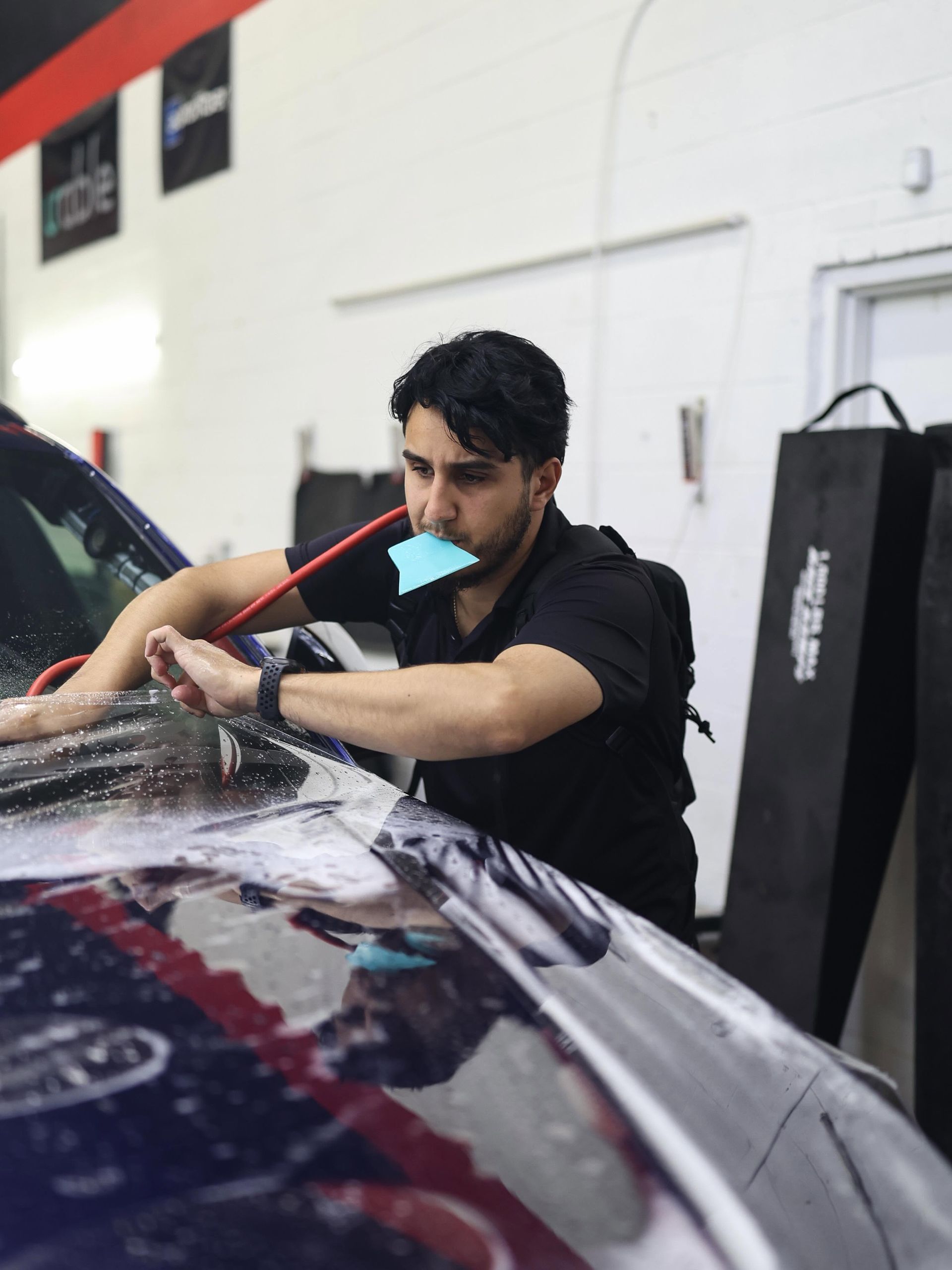
Once the surface is prepped, reapply the protective layers. Always start with PPF, as this serves as the primary barrier against physical damage. Ensure that the PPF is properly aligned, with any bubbles removed using a squeegee, and allow it to cure for at least 24 hours. Only after the PPF has cured should you proceed with applying the ceramic coating. This coating enhances gloss, adds hydrophobic properties, and helps protect the vehicle from contaminants. Be sure to use a film-safe ceramic coating to avoid damaging the PPF.
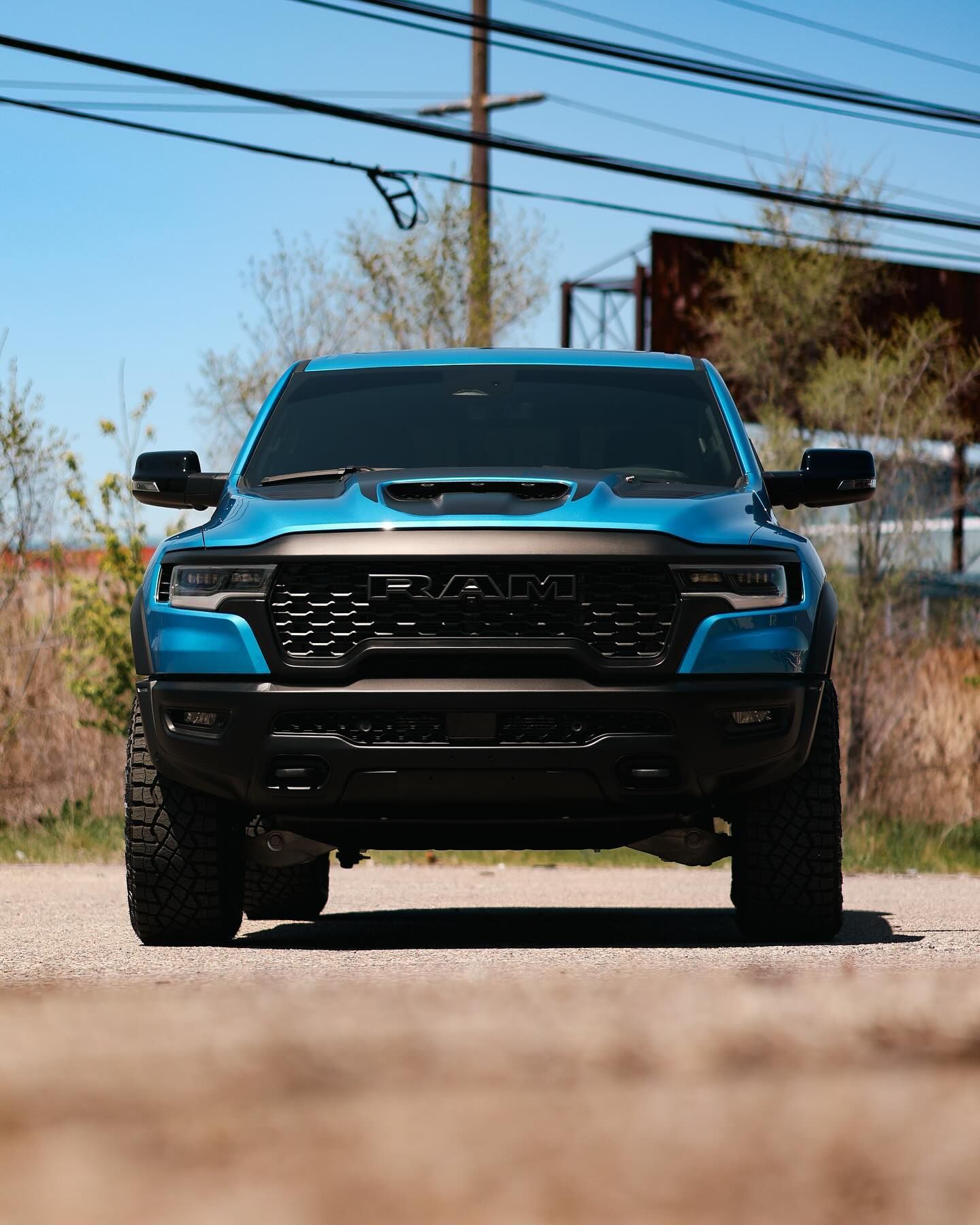
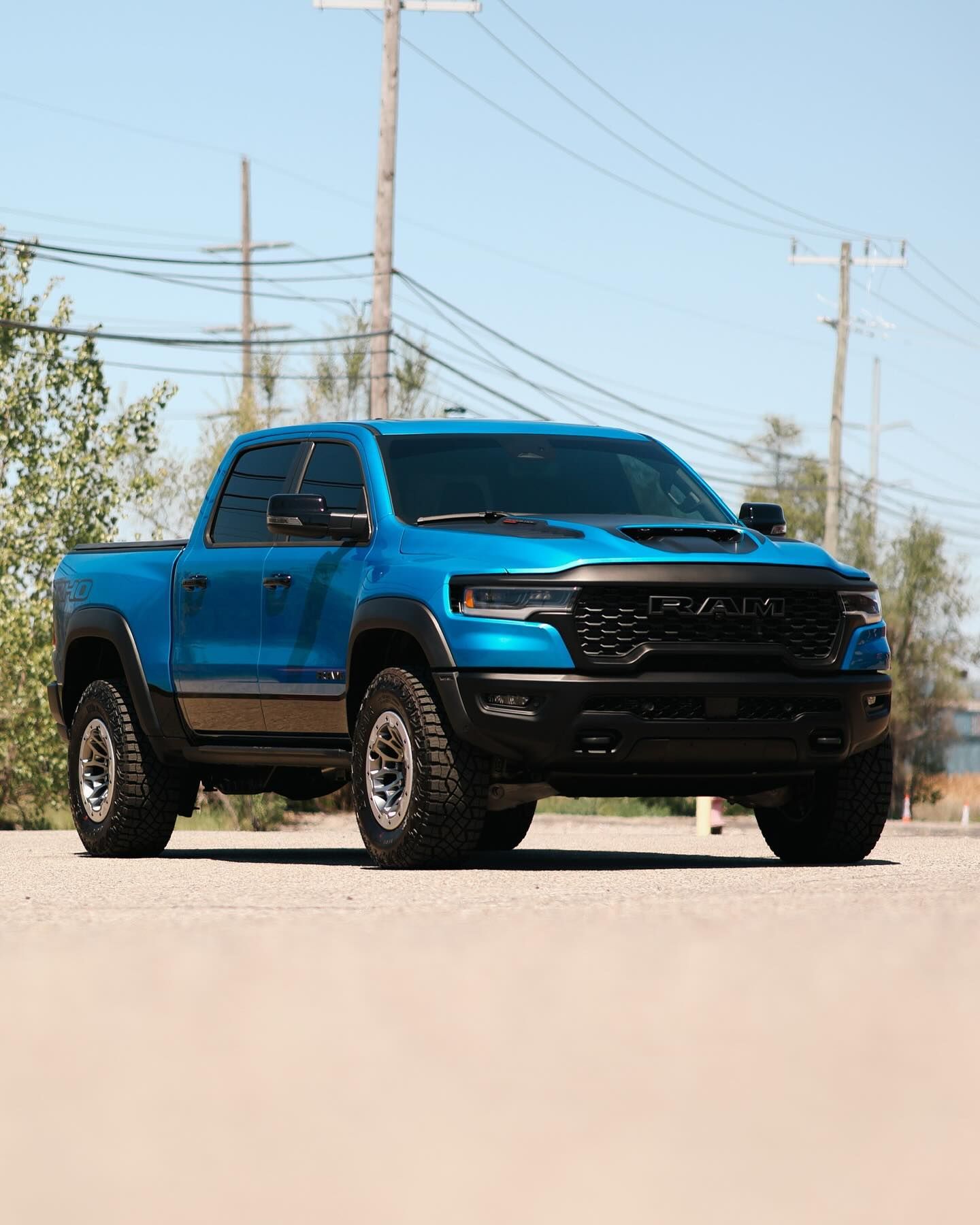
Correct Order for Layering Ceramic Coating and PPF
When protecting your vehicle’s paint, it’s crucial to apply PPF first, followed by ceramic coating. This isn’t just a random preference; it’s the most effective way to ensure long-lasting protection.
PPF serves as the primary defense against physical damage such as rock chips and scratches. By applying it directly to the painted surface, you create a tough barrier that shields the paint from environmental wear. Applying ceramic coating beneath the PPF would interfere with its adhesive, potentially leading to peeling edges or reduced durability. On the other hand, applying the ceramic coating over the PPF adds a hydrophobic layer that repels water, enhances gloss, and simplifies cleaning—all without compromising the protective film’s self-healing properties.
Before applying any products, it’s vital to thoroughly wash the car to remove dirt and contaminants. Use a clay bar treatment to remove any stubborn particles, followed by paint correction to eliminate imperfections like swirl marks. Only after these steps should you apply the PPF to the areas of your vehicle most susceptible to impact, such as bumpers, hoods, and fenders.
After allowing the PPF to cure properly, apply the ceramic coating. Remember to use a film-safe ceramic coating that is formulated to bond with urethane without damaging or staining the film. At Orozco's Auto Detailing, we prioritize this entire workflow to ensure durability and satisfaction for every vehicle we service.
Tips for Long-Term Maintenance
Once your vehicle’s PPF and ceramic coating are properly applied, maintenance is key to preserving both the appearance and durability of the protective layers. Regular washing using the two-bucket method is the most effective way to avoid scratching or damaging the layers. Always use microfiber towels, soft wash mitts, and pH-neutral soaps to minimize abrasion while lifting dirt from the surface.
Be mindful of contaminants like bird droppings, bug splatter, and road tar. These can bond with the surface and begin to degrade it over time. Promptly cleaning these contaminants off your car will help preserve the hydrophobic qualities of your ceramic coating and the self-healing properties of your PPF.
Regular inspections are also crucial for maintaining the protective layers. Every six months, check for signs of edge lifting, yellowing, or fading gloss. Early detection allows you to address small issues before they become larger, costly problems.
Ready to Protect Your Vehicle the Right Way?
Getting your ceramic coating and PPF installed in the correct order isn’t something you want to leave to chance. Done right, this combination provides years of protection against Michigan’s road salt, harsh winters, UV damage, and everyday wear. Done wrong, you’ll end up with peeling edges, streaky finishes, and the need for costly reapplication.
At Orozco's Auto Detailing, we follow a precise, proven process from the first wash to the final inspection because your vehicle deserves protection that actually holds up. We’ve built our reputation one satisfied customer at a time here in the Lincoln Park, Michigan, area.
Don’t settle for guesswork when it comes to your paint. Whether you're ready to book or just have a few questions, we’re here to help. Call us at (313) 888-3822 or schedule your consultation online today.
Service Areas
We proudly serve Lincoln Park, Allen Park, Dearborn, Livonia, Woodhaven, Southgate, Taylor, Redford Charter Township, Canton, Plymouth, Flat Rock, Romulus, and the surrounding Metro Detroit area.
SHARE WITH YOUR FRIENDS